
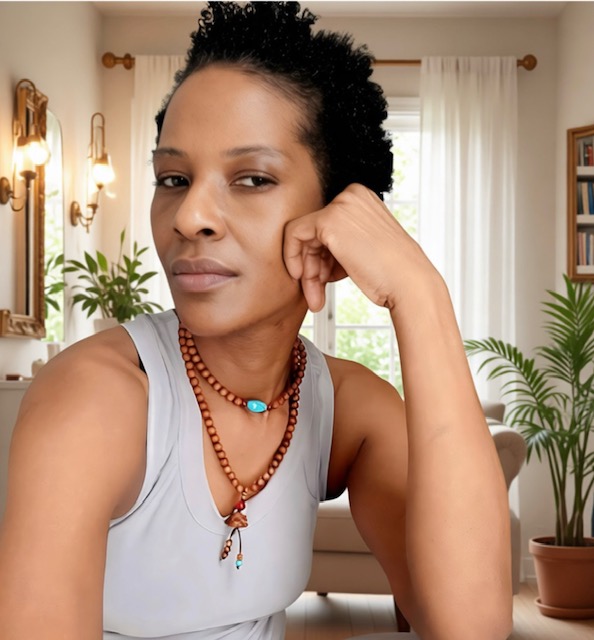
Choosing presence over pace isn’t something I mastered this year.
It’s something I recommit to — daily.
Sometimes gracefully. Sometimes imperfectly.
Presence isn’t a personality trait.
It’s a practice.
And each time I return to it, I feel more rooted in what I’m carrying forward — not rushing what comes next, but meeting it as I am.
What Pace Was Costing Me

What I didn’t notice at first was how much pace was quietly asking of me.
Not exhaustion — something subtler.
A constant sense of being slightly ahead of myself.
Doing meaningful work without fully feeling it.
Listening to my body only after it insisted.
I had normalized urgency. Productivity without presence became a habit rather than a choice. Over time, it disconnected me from the quiet signals that let me know when rest, softness, or stillness were needed.
Learning to listen again — primarily through practices that support the nervous system — became essential.
👉 Internal link: nervous system care and evening rituals
How Presence Changed My Days (Not My To-Do List)
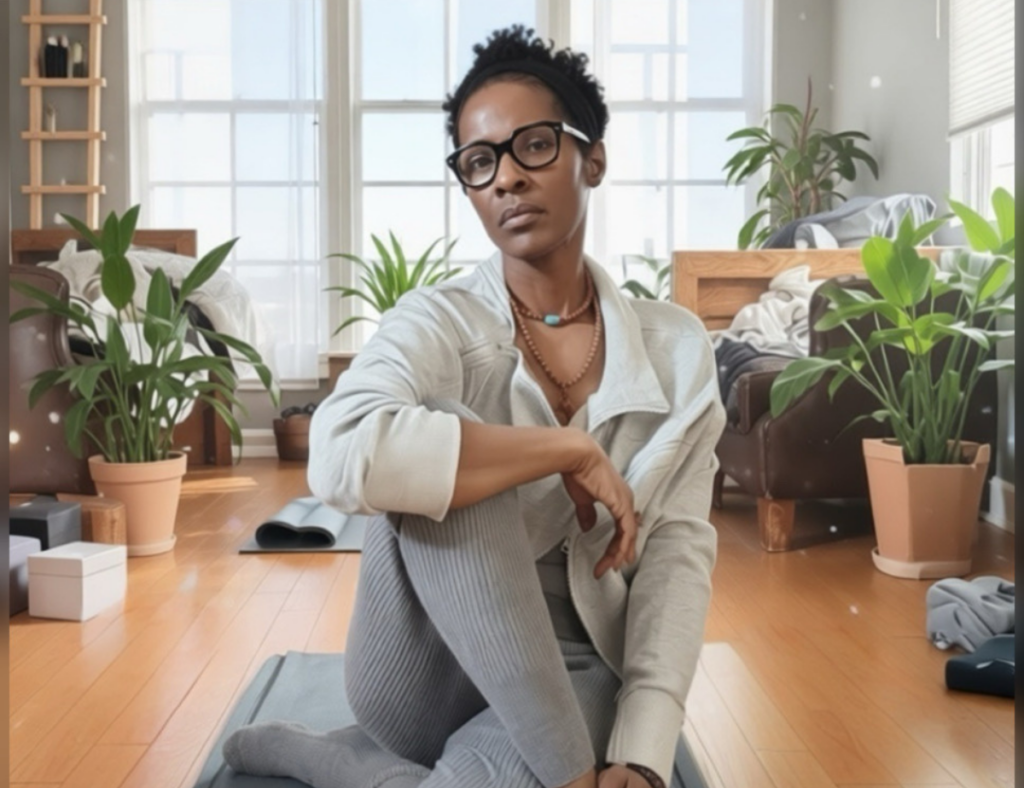
Nothing external changed all at once.
The calendar still held commitments. The work still mattered.
But presence changed how I moved through my days.
I stopped rushing between moments.
I completed fewer tasks — and finished more of them internally.
Transitions became real instead of invisible.
Research on wellbeing and meaning, including insights from the Greater Good Science Center, reflects this truth: how we move through our days shapes how we experience our lives.
Presence doesn’t add time.
It adds texture.
The Role of Meditation & Stillness
Meditation didn’t remove stress from my life.
It helped me recognize it sooner.
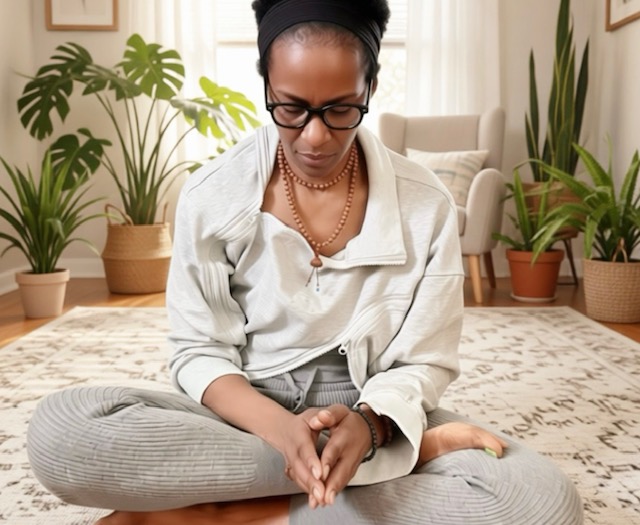
My Meditation practice became less about improvement and more about integration — a way to notice what my nervous system was holding before it spilled into everything else. Evening Meditation, in particular, became a form of closing rather than carrying the day forward.
There is a growing understanding of how Meditation and mindful awareness support emotional regulation and nervous system balance — a line of research long reflected in research from the UCLA Mindful Awareness Research Center.
This echoed what intentional living continued to teach me: presence doesn’t fix — it stabilizes.
Choosing presence also meant choosing boundaries.
Not dramatic ones.
Quiet ones.
I became less available for urgency that wasn’t mine.
For over-explaining my needs.
For saying yes out of habit instead of alignment.
Presence clarified my capacity. It helped me understand where my energy ended — and where it was no longer meant to go. These weren’t walls. They were acts of self-respect.
This evolution closely mirrors what I’ve shared about what I’m no longer available for — a boundary practice rooted in listening rather than resistance.
When pace softened, other things expanded.
Creativity felt less strained.
Beauty became a ritual instead of an outcome.
Community felt nourishing instead of depleting.
I was reminded that meaning is relational — shaped in connection, reflection, and shared presence. Conversations curated by the On Being Project often return to this truth: wellness is never meant to be lived alone.
Work began to feel like an expression of who I am, not a performance of productivity.
Closing: Presence Is a Practice

Choosing presence over pace isn’t something I mastered this year.
It’s something I recommit to — daily.
Sometimes gracefully. Sometimes imperfectly.
Presence isn’t a personality trait.
It’s a practice.
And each time I return to it, I feel more rooted in what I’m carrying forward — not rushing what comes next, but meeting it as I am.
Key Takeaways
- Momentum isn’t just about speed; presence enriches life in meaningful ways.
- I learned that urgency disconnected me from my needs, making it essential to listen to my body again.
- Presence transformed my daily experience, adding depth and connection rather than just completing tasks.
- Meditation helped me recognize stress sooner and supported emotional regulation in my daily life.
- Choosing presence involves setting quiet boundaries and nurturing creativity, connection, and self-respect.
