
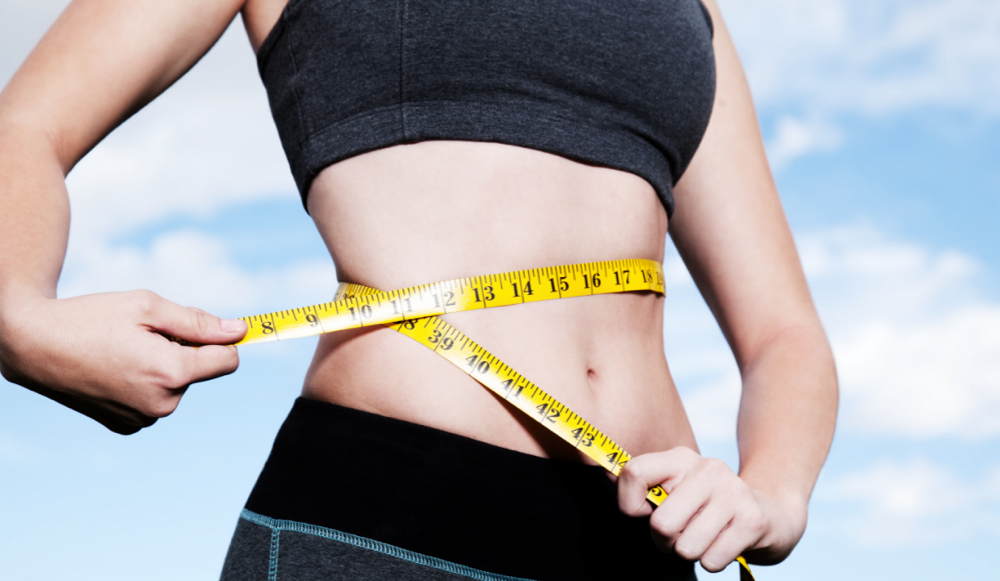
The Missing Link in Diets for Fat Loss
Keeping your muscles healthy is important for feeling young, staying fit, and performing at your best no matter your age. Muscles help define your body shape, and getting rid of fat alone won’t achieve the same effect. Eating a nutritious diet is crucial for your overall health, but simply cutting calories won’t help you build lean muscle mass. Your aim should be to maintain a healthy BMI range of 10% to 16% for men and 18% to 24% for women.
BMI measures weight components, including active tissue (muscles, organs, bones, water) and inactive fatty tissue. Women’s slow metabolism is often due to insufficient muscle mass from underdeveloped or lost muscles.
Many people falsely believe that long cardio and low-calorie intake is the best way to shed unwanted fat, but this is flawed. When the body detects hunger from calorie deprivation and long bouts of exercise, many fat-storing and appetite-stimulating hormones spring to life, causing food cravings. Overeating ultimately destroys the hormones that regulate metabolism and longevity.
Developing lean muscle mass is the missing link to sustainable fat loss.
Strength training improves body composition, reduces visceral fat, and slows premature aging while preventing chronic inflammation and associated illnesses.
Losing fat should not be confused with losing weight, as the two are different. One can have an efficient weight-lifting workout plan, eat right, burn fat, and look trimmer in appearance, even though there is a gain in weight because muscle weighs more than fat. Another person can spend hours on a treadmill, eat a poorly balanced diet, and lose weight in the form of muscle loss, potentially causing health-threatening complications.
To lose weight, you must burn more calories than you take in.
To maintain a healthy weight, you should keep track of the calories you consume. You can determine your ideal daily caloric intake using free apps such as Myfitnesspal.com and Fitbit.com. These apps consider age, gender, weight, height, and lifestyle to help you make smarter nutritional choices and safely maintain a caloric deficit to achieve gradual, healthy weight loss. A healthy goal is a one-pound weight loss per week, which you can achieve by creating a 500-calorie deficit.
Muscles are vital to living young and staying fit and healthy. Muscle loss syndrome can start as early as thirty and snowball over time. Hormones begin to change around age forty, and by the time you reach your fifties and sixties, the consequences of muscle loss can be catastrophic, including the development of life-threatening diseases such as osteoporosis.
In Conclusion
Osteoporosis, a “silent killer,” shows no symptoms and only becomes evident with an unexpected fracture. Bone loss occurs more rapidly in women, particularly during menopause. One in three women and one in five men over fifty experience osteoporosis. Young people are also at risk, especially with a poor diet and excessive aerobic exercise.
