
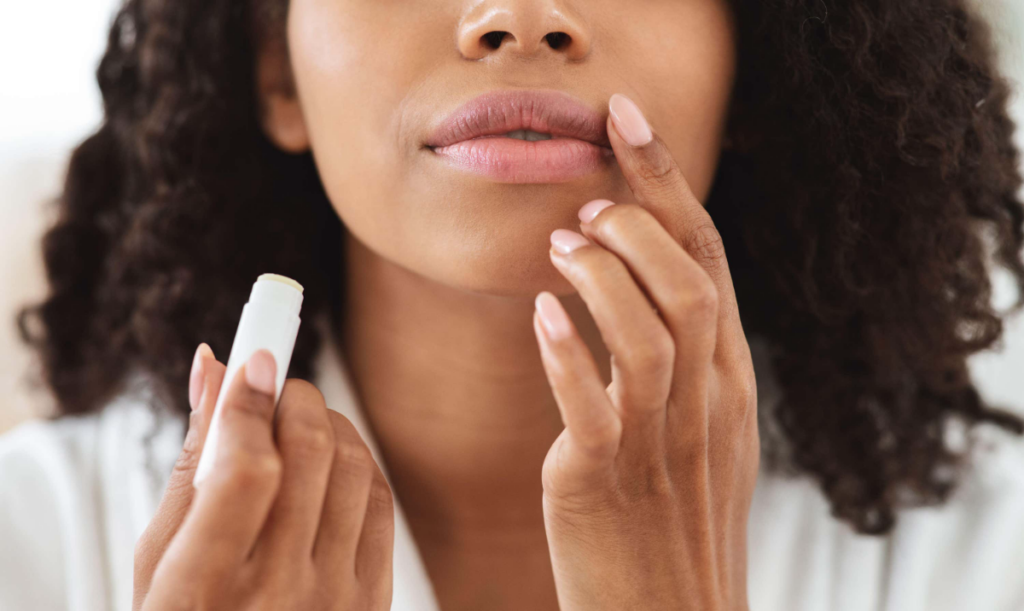
Experts reveal the products make your chapped lips worse.
The cold, crisp winter air is starting to set in. While this may put some of us in a festive spirit, our lips are not so grateful.
“The drop in humidity and frequent dry, cold winds lead to quicker dehydration of our lips in winter,” explains consultant dermatologist Dr. Eva Melegh.
Lips regularly shed skin, but when they become dry, the shedding becomes uneven, leading to chapping and flaking.
Many people rely on specific kinds of toothpaste and traditional salves, which can lead to dry and flaky smiles.
Dermatologists advise how to care for our lips this winter and which products to avoid at all costs.
Make time every month.
Like weekly face masks or monthly massages, your lips need more than daily care for proper treatment.
“Try to complete an extensive lip routine once every two to three weeks and during every seasonal transition period,” advises CellDerma’s founder and aesthetician, Dr Dev Patel.
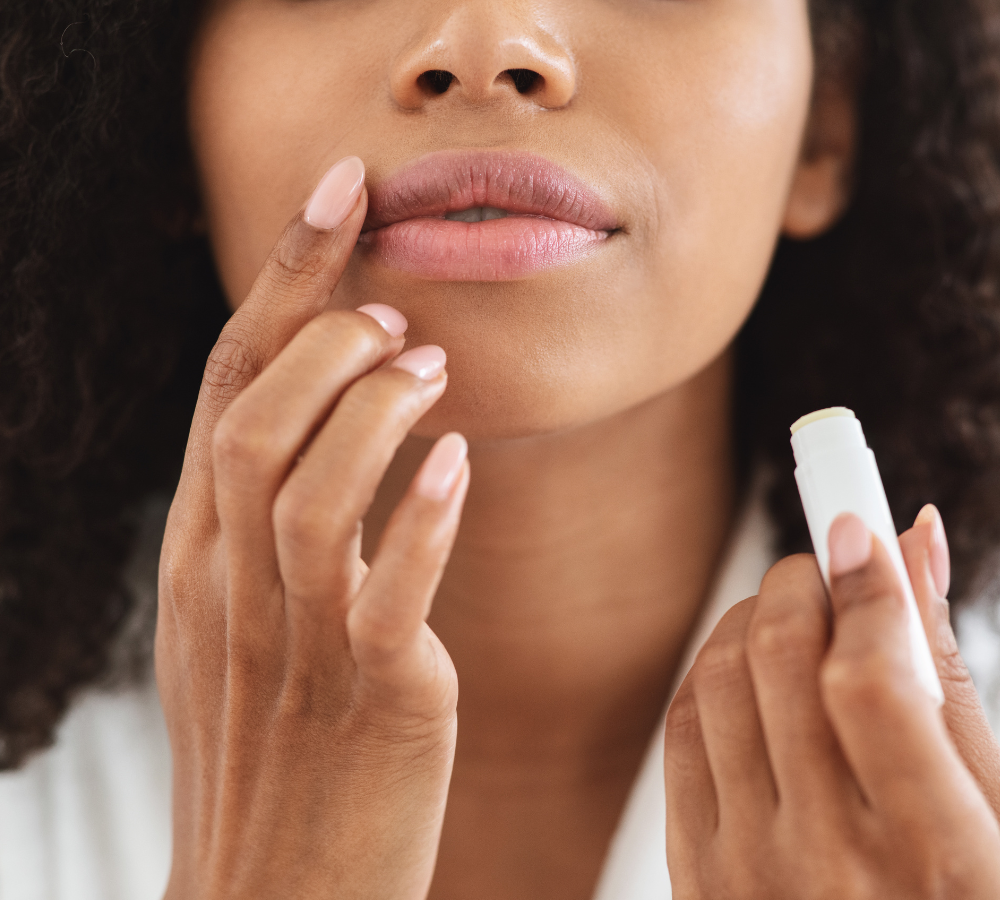
“Within this, I would include a gentle scrub and exfoliation, an overnight lip mask, and a clinically proven lip balm.
To keep your lips moisturized, apply a hydrating lip mask or balm morning, night, and throughout the day.
Hydrate in and out
Keeping your lips well-hydrated requires more than just applying nourishing balms and masks. “Dry lips often indicate dehydration. Dr. Nina Prisk, a skin expert from Harley Street, recommends that anyone with dry or chapped lips evaluate their fluid intake.”
“Often dry lips can be a sign of dehydration, and so I would urge anyone experiencing dry and chapped lips to look at their fluid intake,” advises Harley Street skin expert Dr Nina Prisk.
“According to the NHS an adult should drink six to eight cups of fluid a day.”
Hydration can be achieved not only with tap water but also with herbal teas and water mixed with flavored electrolyte powders.
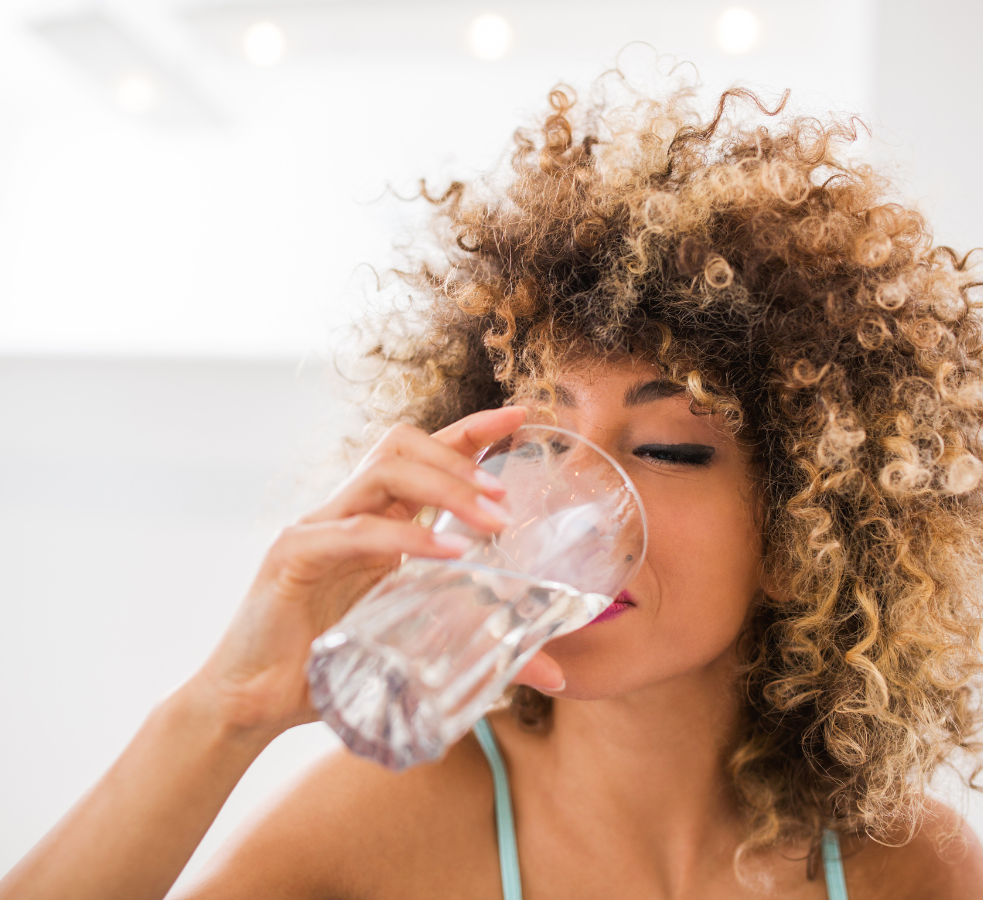
But be warned—anything caffeinated (such as sodas, English Breakfast tea, and coffee) does not count as a cup of fluid, as the caffeine cancels out the hydrating liquid.
Steer clear of heavy lipsticks, alcohol, and whitening toothpaste
Lipstick, alcohol, and whitening toothpaste are the hidden culprits contributing to chapped lips.
“Unlike skin, lips do not have oil glands and so their natural moisture retention is scarce at the best of times,” says Melegh, “so dehydration from alcohol can make lips extra dry and fragile.”

Melegh suggests avoiding excessive alcohol consumption and cosmetics that include alcohol; this can consist of anything that is heavily perfumed and contains ethanol.
“Try to avoid lip balms that are fragrant or flavored, like mint, citrus, or cinnamon, as they can irritate the lips instead of helping them,” explains Dr. Ross Perry, a dermatologist based in London. “While they may feel nice on your lips, they are actually very dehydrating.”
“Additional ingredients to avoid include lanolin, octinoxate and oxybenzone,” says Perry. These can be found in certain SPFs and jelly-based lip balms.
Additionally, Melegh advises against wearing heavy lipsticks during the day, as they contain wax and can dry out and irritate chapped lips.
“They may even cause some infection or inflammation as lipsticks are often harbouring bacteria.”
Whitening toothpaste can also contribute to dry lips, as their hydrogen peroxide dries the skin. Experts suggest swapping to a standard sensitive toothpaste during the winter months.
Sensodyne Repair & Protect Original Sensitive Daily Toothpaste 75ml, £6, Sainsbury’s
