

Dermatologists discuss the advantages and disadvantages of exercise for your skin.
If you’re making a New Year’s resolution to become more active, consider more than just the workout.
Adding more physical activity can be an administrative nightmare, as it involves scheduling exercise around work, increasing laundry loads, and disrupting one’s hair-washing routine.
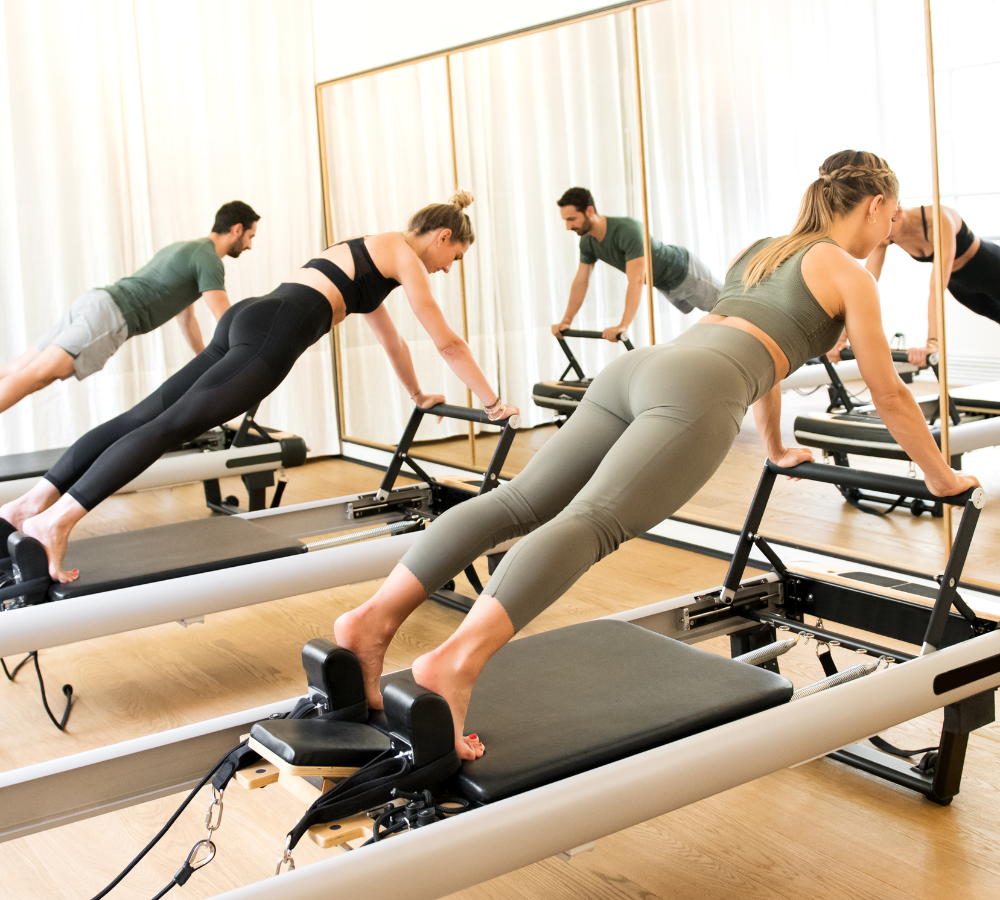
The benefits certainly outweigh the negatives—from better cardio health to rosy, radiant skin. However, balancing a good skincare routine alongside your workout is imperative for getting that healthy-looking glow.
Dermatologists and skincare experts explain how exercise impacts your skin and share tips for maintaining a fresh-faced complexion.
How does regular exercise affect your skin?
Regular exercise can positively and negatively affect the skin, depending on the workout type.
According to dermatologist Dr. Sophie Momen at the Cadogan Clinic, regular exercise improves skin health by increasing blood circulation, which delivers oxygen and essential nutrients to skin cells.
This enhanced blood circulation encourages cell renewal and collagen production, resulting in a youthful appearance. Additionally, exercise helps regulate stress hormones such as cortisol, which can reduce inflammation and breakouts.
Engaging in physical activity can help promote lymphatic drainage, reducing puffiness and fluid retention.
Excessive exercise without adequate skin care can have adverse effects, including increased oxidative stress, premature skin sagging, and irritation from sweat.
How sweat affects the skin
Exercising until you sweat can feel great because sweating helps eliminate toxins from your body.
It’s important to note that sweating alone does not detoxify the skin.
“The primary detoxification organs are the liver and kidneys, however sweating can help clear out impurities from the pores by flushing out dirt, oil and bacteria, which may contribute to a clearer complexion,” says Momen.

Despite containing toxins, sweating can be good for your skin. “Sweat, however, does help to regulate body temperature, which prevents overheating and can reduce inflammation and puffiness,” says cellular biochemist and SEABODY founder Dr Helena McMahon.
Understanding the causes of acne is essential when considering sweat and breakouts.
“Sweating itself doesn’t cause acne, but if sweat stays on your skin for too long, it can create an environment for bacteria to thrive, potentially leading to breakouts,” says skin expert Rebecca Elsdon, founder of RE Skin Clinic.
Tight workout clothing can lead to acne mechanica from friction. Always cleanse your skin with a gentle, pH-balanced cleanser after exercising to prevent this.
The Effects of Exercise on Aging Skin and Collagen Production
While excessive, high-intensity exercise can cause skin sagging, regular exercise mainly slows down the signs of aging.
“Exercise can slow skin ageing by improving circulation and oxygenation, which support collagen production and cell renewal,” says Momen.
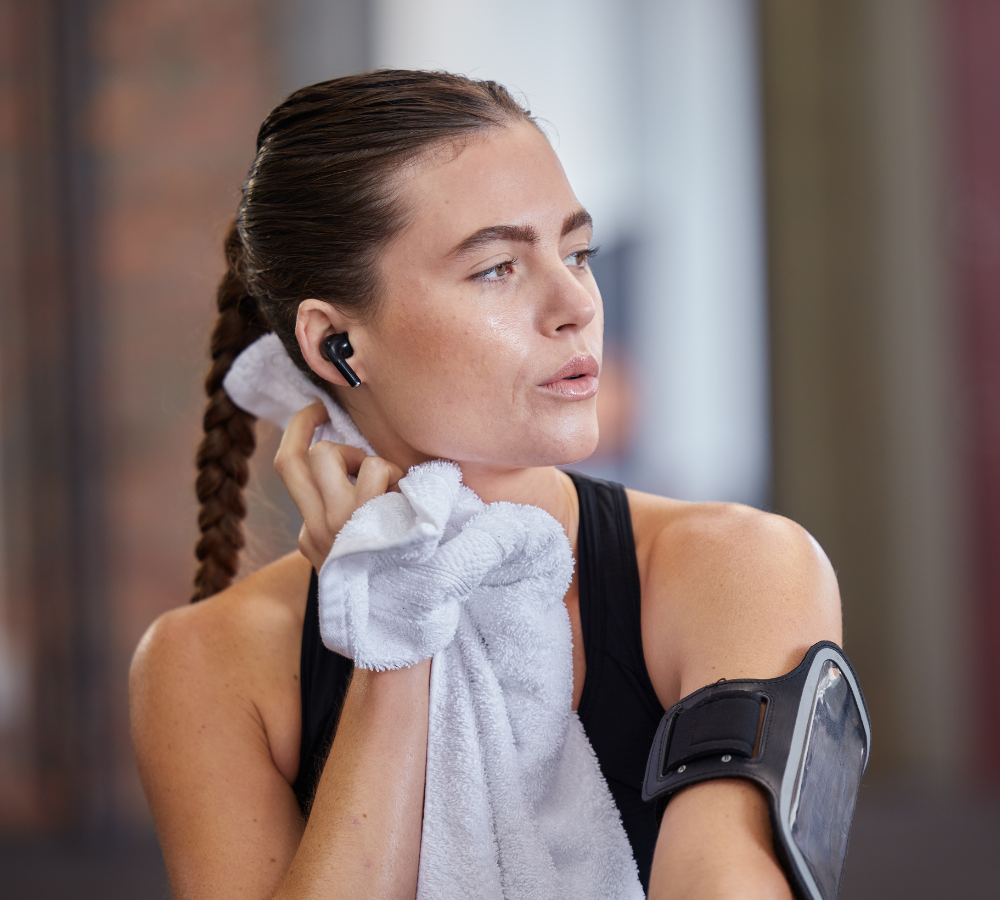
“Collagen is essential for maintaining skin’s elasticity and firmness, helping to reduce the appearance of fine lines and wrinkles.
“Regular physical activity also helps regulate cortisol levels, which can otherwise contribute to collagen breakdown and premature ageing.”
When exercising outdoors, it’s essential to be aware of environmental factors.
“Prolonged exposure to UV rays during outdoor exercise can accelerate ageing, making it essential to wear sunscreen and maintain a suitable skincare routine,” says Momen.
The ideal skincare routine for workouts
While you may want to keep your skin as clean as possible, over-cleansing or harsh ingredients followed by a sweaty workout can irritate and damage your skin barrier.
While removing any make-up before your workout is essential, “the ideal skin routine for exercise starts during the workout itself,” explains Harley Street skin expert and aesthetics doctor Dr Ed Robinson.
“Avoid touching your face throughout where dirty gym equipment and bacteria are transferred to your face.”
The experts suggest a gentle cleanser post-workout. “Post-workout skincare should include gentle, hydrating ingredients such as hyaluronic acid, niacinamide, and aloe vera to soothe the skin and prevent irritation,” says Momen.
“Fragrance-free, non-comedogenic formulations are ideal to maintain a healthy post-exercise skincare routine.”
Specific ingredients to look for (and avoid) in post-workout skincare
When curating the perfect skincare bundle for your gym bag, there are certain ingredients to incorporate and some to avoid.
“Avoid anti-aging products, like vitamin C, retinol, AHA acids and certainly do not exfoliate directly after, as this will just irritate their skin,” says medical director of Cosmedics Skin Clinics, Dr. Ross Perry.
You should look out for moisturisers that are high in occlusives, as these help seal in moisture.
“Moisturisers have three categories of ingredients,” explains dermal therapist Joanna Fleming. “These are humectants, emollients and occlusives.
“Humectants, such as hyaluronic acid, draw moisture into the skin. Emollients, like ceramides, help keep the skin smooth and prevent moisture loss. Then occlusives, like shea butter, help seal in moisture,” says Fleming.
“Use a decent moisturiser that helps lock in moisture, which you’ll be low on after exercising, as we lose a lot of water through our skin,” says Robinson.
