
Natural ways that help with sleeplessness
Do you often suffer from sleeplessness, wake up in the middle of the night, or cannot fall asleep until the wee hours of the morning? This can be frustrating, especially when you wake up early for work or other commitments. However, you are not alone in this struggle. Recent statistics from the USA indicate that around 7-19% of adults experience sleep deprivation. Even scarier, an estimated 50-70 million people are dealing with some form of sleep disorder. This is just a small fraction of individuals worldwide going through the same thing. Fortunately, there are natural ways to help you get a better night’s sleep. Here are a few tips to consider.
It is crucial to avoid consuming alcohol or caffeinated drinks before going to bed.

Many people have difficulty falling asleep without having a cup of their favorite caffeinated beverage or a glass of wine or beer, but this is not a recommended practice. Let’s start with caffeine. As a well-known stimulant, its primary effect keep you alert, which is not ideal when trying to sleep. The effects of caffeine can last up to 24 hours, which means that it can save you awake for the better part of the night, reducing both the quantity and quality of your sleep. Experts advise against consuming caffeine before bedtime to avoid sleep disruption.
Creating an environment that is conducive to sleep is crucial.
The quality of your sleep depends significantly on your sleep environment. There are various factors to consider when creating an ideal bedroom for quality sleep. These factors include having a consistent sleep-wake cycle. By going to bed and waking up at the same time every day, you enhance your biological clock, also known as the circadian rhythm. This helps your body know when it’s time to sleep, making it easier for you to fall asleep.
Your bedroom’s air temperature. No one would want to sleep in a bedroom that’s too warm or too cold, which means you will hardly do so. Sleep experts explain that when we sleep, our body is set to drop so when we the temperature around us at that time is higher or lower than that we will automatically wake up. Therefore, your room temperature should be in line with your bodies. No one can pinpoint the exact temperature, but an approximate of 60-70 degrees is the most suitable.
Having a constant sleep-wake cycle is very important when it comes to your sleep quality. By sleeping and waking up at the same time every day, you enhance your biological clock, scientifically known as the circadian rhythm. This means that your body will automatically know when it’s time to sleep so you will not have trouble falling asleep.
Maintaining your schedule can be quite challenging especially during weekends. That is when so many people choose to pay back the early hours they had to wake up and start engaging in their daily lives but it might not be the best idea. This is because it will confuse your body therefore it will be difficult for you to fall asleep at your set time.
Exercise regularly

It’s widely known that engaging in regular exercise can have a positive effect on the quality of your sleep. When you work out, particularly at night, your energy levels rise and then drop, making you feel exhausted and primed for bed. Research has demonstrated that exercising shortly before bedtime can enhance your time in deep sleep. This improves the quality of your sleep and its overall effectiveness.
Before you go to sleep, make sure to dim or switch off the lights in your bedroom.
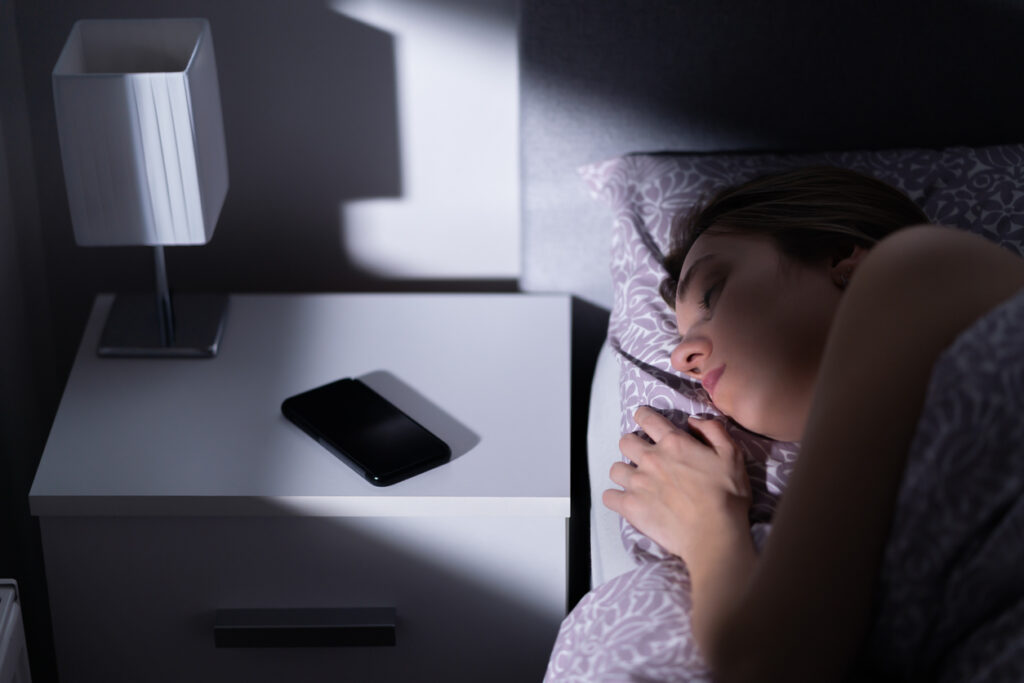
Suppose you’re wondering why you sometimes struggle to fall asleep. Well, it’s all to do with your body’s biological clock. This clock controls melatonin production in the brain, which helps us fall asleep. Melatonin production is heavily influenced by light levels, producing it more at night and decreasing as morning approaches.
When you sleep while the lights are still on, you confuse your body and the melatonin decreases assuming that it’s time to wake up. This will obviously keep you awake. If you happen to be uncomfortable in darkness, try dimming your lights to ensure that it does not affect your sleep pattern.
