
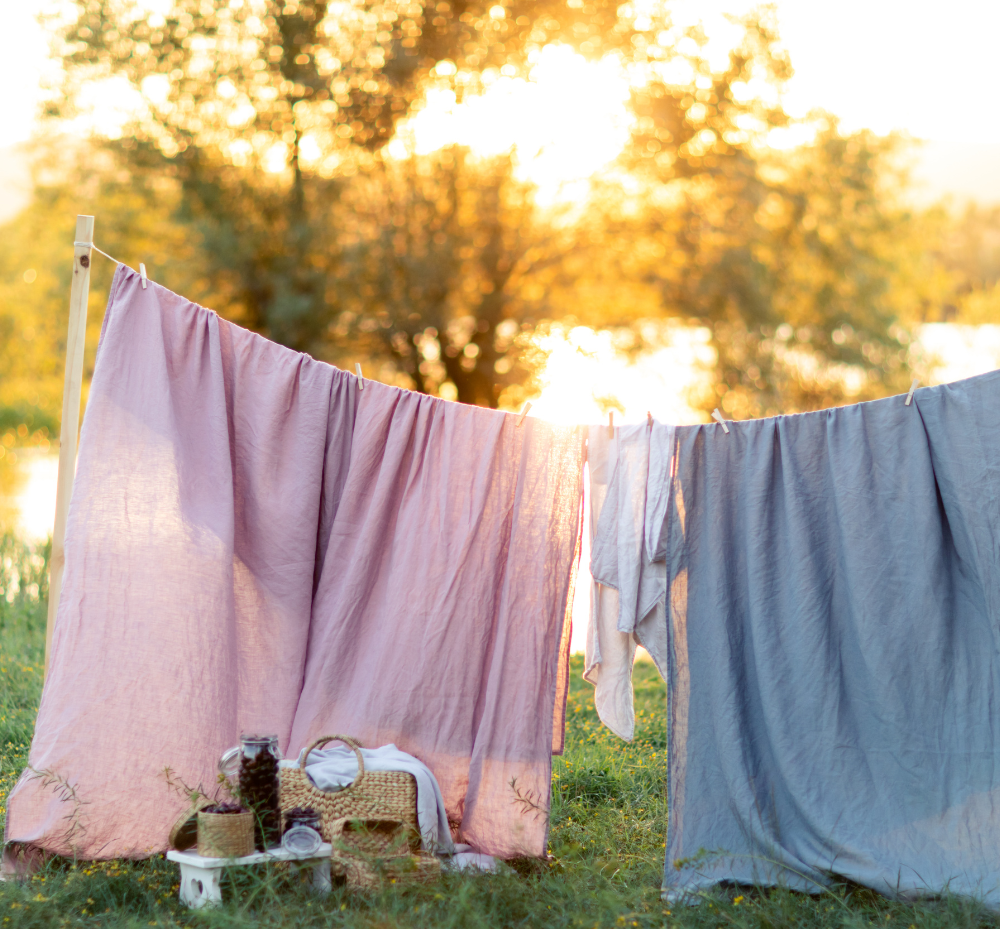
In the warmer months, bedding and cleaning experts advise on the frequency of washing your bedsheets.
“Relaxing in cool, crisp, clean sheets in the summer is wonderful after a hot, sticky day.”
The clean sheets won’t stay that way for long. Sweat and dirt will transfer to them, and they’ll need washing again soon.The question is, how often?
“Standard sheets may need more frequent washing in summer due to increased body warmth and sweat at night.”
“At this time of year, there are also more insects like moths, mosquitos, midges etc, so washing your bedding will keep you clearer of these, too. [Washing bedsheets] every one to two weeks, is what I’d recommend to maintain a healthy and clean sleep environment.”
Goknel recommends a 30-degree wash cycle for sheets. It’s important not to overfill the machine.
Cleaning experts agree that sheets need washing more in the summer, and Laura Mountford, aka @Lauracleanaholic, says: “Washing your sheets once a week in summer is sufficient to keep them clean and fresh. If you can do it twice a week, then great, especially if it’s hot at night.”
She says the efficiency of modern detergents means there’s no longer a need to wash bedding at high temperatures. Quality detergents will clean effectively even on calm washes as low as 20 degrees, saving money and energy.
Mountford, author of Live, Laugh, Laundry, suggests using a laundry cleanser to kill bacteria and viruses, especially if you have a sickness bug or illness, and says: “To keep bedding smelling fresher for longer, keeping that just-washed feeling as if it’s just come out of the machine, use a capful of in-wash scent boosters when washing.”
She says more items will need washing more often in the summer, increasing your domestic workload.
“Bath, hand, and tea towels should be washed every two to three uses due to bacteria growth from sweat and grease. Clothes should also be washed more frequently in warm weather due to sweat and pollen transfer.”. So, particularly for hay fever sufferers like me, washing clothes regularly will keep that pollen at bay.”
In addition, she says drying outdoors in the summer is great for saving energy and explains that the sun’s rays are a natural way to remove bacteria and boost the brightness of whites. However, she points out hay fever sufferers should avoid drying outdoors, as laundry may collect pollen residue.
TV’s Queen of Clean Lynsey Crombie (@lynsey_queenofclean) suggests higher-temperature washes are necessary for bedding during heat waves. “During very hot periods, we should be washing our bedding more often at temperatures above 60 degrees, as well as keeping it well-aired before making,” she advises. “If your bedding smells more, add a laundry booster or 20ml of white vinegar.
“We naturally sweat a lot more in higher temperatures, which results in our bodily fluids and oils seeping into our bedsheets, duvets, and pillows.
Ensure you use good quality mattress and pillow protectors to prevent yellow staining.”
Crombie points out that bedbugs, dust mites, and moths thrive in warmer temperatures. They opt for dark places to live in bedding and under beds. Dust mites can cause allergies, bed bugs can bite, and moths can eat away at your bedding. Regularly washing and vacuuming your bedframe and mattress will help prevent this. If you own a steam cleaner, a blast of steam can help, too.”
She suggests using a lower-top duvet and breathable cotton bedding to keep the bed cooler. Change your bedding at least once a week. If you’re short on time, wash the bottom bedsheet and top pillowcases. Then, let the bedding air out for an hour with the window open.
Don’t forget to wash duvets and pillows over the summer. If they don’t fit in the washing machine, hang them outside to disinfect and refresh in the sun. For pillows, lay them flat on a bench and turn them occasionally.”
