

“We are discussing with experts about the potential dangers of consuming Junk Food.”
Ultra-processed foods (UPFs) and their adverse health impacts have been a big topic lately. Now, a new study has linked consuming higher amounts of UPFs—typically things like ready meals, sugary cereals, and fizzy drinks—with poorer mental health.
New research shows that foods high in fat, sugar, salt, and additives may increase anxiety and depression risk.
A group of researchers conducted a study over the past three years, analyzing 14 review articles that examined data from 9.9 million individuals. The results suggest consuming ultra-processed foods (UPFs) may negatively impact health.
Among the findings, there was “convincing evidence” that higher UPF intake was associated with a 48-53% greater chance of developing anxiety and “highly suggestive” evidence of a 22% greater risk of developing depression.
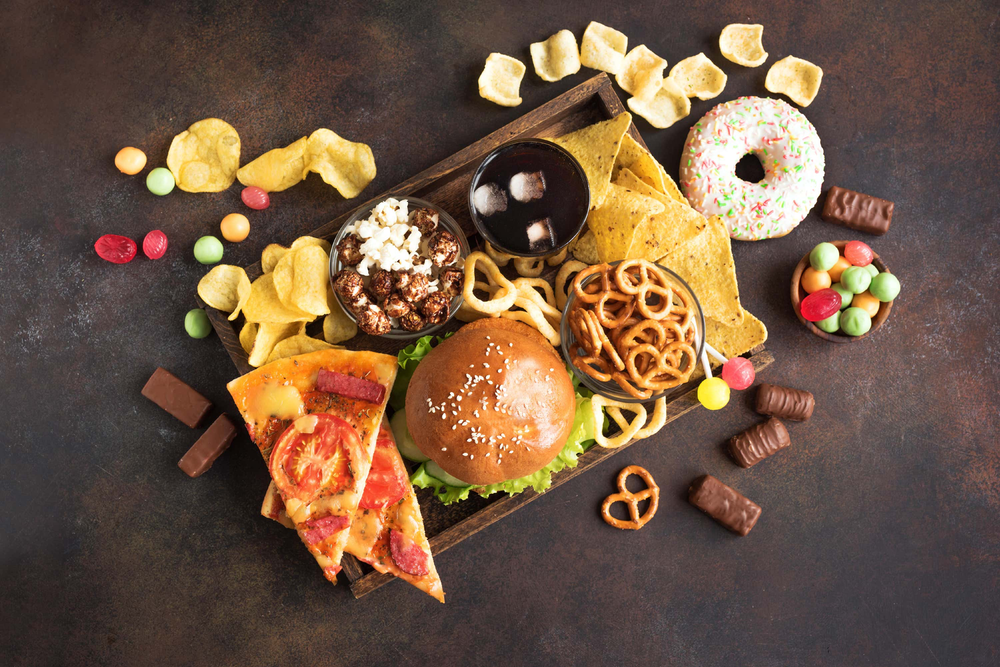
So, how exactly does junk food affect your mental health? Health experts share everything you need to know…
Why do we like ultra-processed and junk food?
“These ultra-processed foods are void of nutritional value, but full of instant satisfaction,” says Dr Ishani Rao, NHS GP and doctor at Plant-Based Health Professionals.
“Many foods trigger dopamine, but this increases cravings and addiction.”
However, the sense of satisfaction might be short-lived. Rao says people might experience a ‘crash’ after a junk food meal – a neurochemical process similar to a ‘come-down.’

“Studies have shown that this can cause irritability, brain fog, and fatigue and trigger inflammatory pathways that affect the brain, as well as physical conditions,” she explains. These foods often fill us up quickly, so it can be easy to ignore that we must eat fruit, vegetables, and healthy carbohydrates, too.”
Children’s mental health concerns
According to Dr Amelia Lake, professor of public health nutrition at Teesside University, a recent study found a wide range of risks related to children consuming energy drinks, especially when it comes to their mental health.
“Drinking energy drinks is linked to an increased risk of anxiety, stress, depression, suicidal thoughts, and psychological distress among children. Its consumption also showed an increased risk of poor academic performance, sleep problems, and unhealthy dietary habits,” says Lake. “Energy drinks are marketed to children and young people as a way to improve energy and performance, but our findings suggested they are doing more harm than good.”
Guts are the ‘second brain’
Rao says the relationship between the gut and the brain is “absolutely fascinating” – and researchers are increasingly discovering more about our diets’ role.
“We have all heard the terms’ gut instinct’, ‘go with your gut’, and ‘food for thought’, so it’s no wonder that the digestive system has been described as our second brain,” says Rao. One theory, along with the dysregulation of neurotransmitters and increase in inflammation, is that there is a direct link between the vagus nerve and our brains.
“The vagus nerve regulates the parasympathetic nervous system, known as the ‘rest and digest’ system. This pathway chills and relaxes us—the opposite of the sympathetic nervous system, known as the ‘fight or flight’ system.
“This direct link between the vagus nerve and the brain is really exciting and we should not ignore the benefits of feeding our gut healthy, colourful, nutritionally complete foods to improve our mental health,” she adds.The gut produces around 80% of our serotonin, a key component in regulating our mental health… Choose healthy foods for long-term energy, calmness, and no physical or mental symptoms worsening.
The gut microbiome also plays a part.
Rao adds, “The gut microbiome is also a key player here. It comprises trillions of microbes active in the gut, helping to digest food and strengthen your immune system. We know that having a wide diversity of microbes in the gut can improve our overall physical and mental health. Those with a varied diet consisting of many fruits, vegetables, whole grains, and spices have a more diverse gut microbiome.
“On the converse, highly processed foods can be harmful to the good microbes, and lead to inflammation of the gut. Therefore, consuming these in moderation is really important to protect the health of your digestive system.”
The shame factor
Experts often say balance is critical to a healthy diet, and the occasional treat is nothing to worry about. However, some people may link junk food with binge eating.
“Binge eating brings with it feelings of shame, lack of control, and subsequent mental health problems in response to changes in your body,” says Dr Catherine Carney, psychiatrist and addiction expert at Delamere.
It is often burdensome to perform this action in secrecy, leading to additional feelings of stress and anxiety. In some cases, binge eating can lead to self-medicating to mask feelings of sadness and, eventually, substance addiction.”
Missing out on the good stuff
Eating mostly ultra-processed food can increase the risk of nutrient deficiencies, including iron, calcium, magnesium, selenium, B12, and zinc.
“Low levels of these can cause neurological deficits and mimic symptoms of mental health issues,” says Rao. “Unhealthy diets increase risk of physical conditions like high blood pressure, high cholesterol, obesity, and joint issues.”
Chronic physical health issues double mental health issues rates. Poor food quality affects mood and physical health, leading to mental health problems.
