

Sometimes, the first sign of a seasonal shift is how your face feels after you wash it.
A familiar cleanser leaves your cheeks feeling tight. Your skin looks a little rougher. A product you have used comfortably begins to sting.
It is easy to assume that your skincare has stopped working—or that you need something new.
Before changing everything, it helps to understand what may be happening. Seasonal skin changes can reflect shifts in your environment and changes in your skin’s ability to hold moisture.
For me, caring for the skin begins with paying attention. What feels different? When did it begin? What else has changed?
Why cooler weather can leave skin feeling dry
When temperatures and humidity fall, skin can have more difficulty retaining moisture. Indoor heating can add to that dryness, so spending more time inside does not necessarily offer relief.
The American Academy of Dermatology explains how cold weather and indoor heating affect the skin, sometimes leaving it dry, itchy, or irritated.
This helps explain why the same routine can feel comfortable in one season and less supportive in another.
Think about the environments your skin moves through in a single day: a heated bedroom, a windy walk, a warm office, and a hot shower. The calendar may announce a new season overnight, but your skin experiences the transition through these everyday conditions.
Your habits may change along with the weather
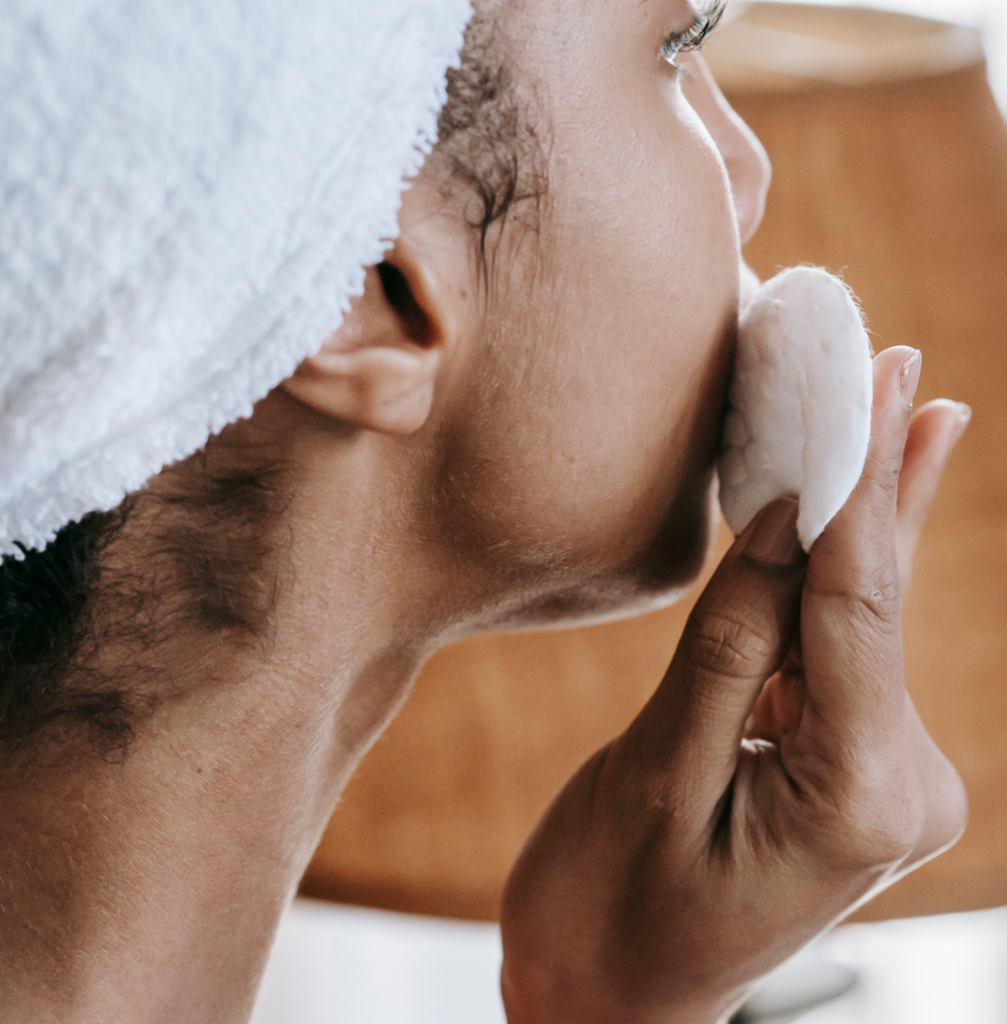
Cooler mornings can make longer, hotter showers appealing. More frequent handwashing may leave your hands uncomfortable. A cleanser that felt refreshing in summer may feel harsh once your skin is already dry.
According to the American Academy of Dermatology, hot showers, harsh cleansing products, and cold, dry conditions can all contribute to dryness.
Before deciding that you need an entirely different routine, consider whether an everyday habit has shifted.
Does your skin feel tight immediately after cleansing? Are your hands more uncomfortable after washing? Does the dryness become more noticeable after a day in a heated room?
These observations can help you describe the problem more clearly—and make a thoughtful adjustment.
Why familiar products may suddenly feel uncomfortable
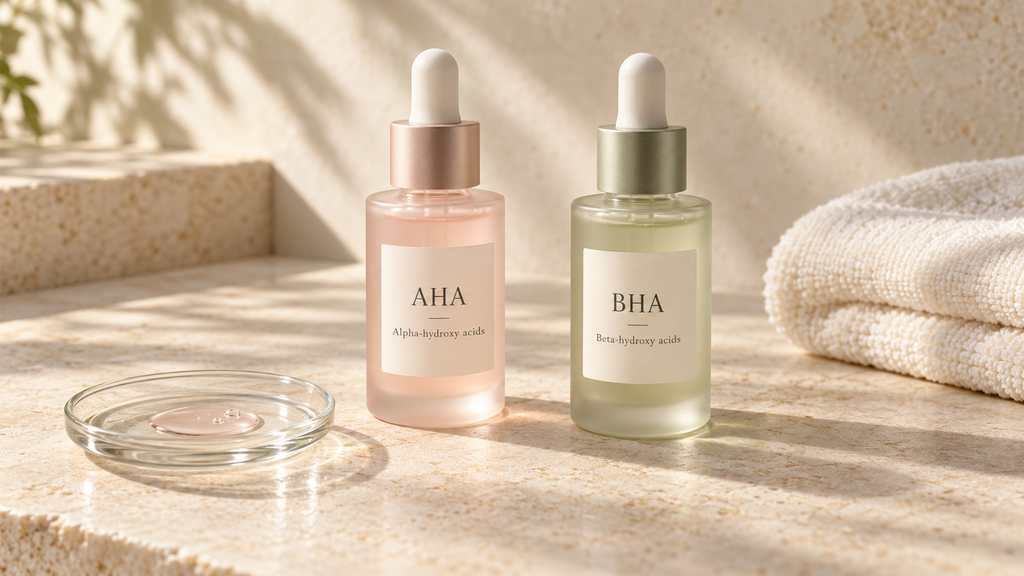
When skin is dry or irritated, products can feel different on your skin. Exfoliating ingredients that once seemed manageable may become uncomfortable during colder months.
The American Academy of Dermatology notes that products containing alpha- or beta-hydroxy acids can be more irritating in winter. Its cold-weather guidance recommends gentle, fragrance-free care and moisturizing after washing.
Stinging is a reason to pay attention. You don’t need to push through discomfort to prove a product is working.
If you want help simplifying your routine, my back-to-basics skincare guide explores a more manageable approach.
Weather may be only part of the picture

A change in season can coincide with other changes in your skin.
Age, medications, and underlying skin conditions can also contribute to dryness. During menopause, skin can lose some of its ability to retain water, which may become especially noticeable when the air is dry. The American Academy of Dermatology’s guide to caring for skin during menopause explains this connection.
This is one reason I encourage a gentler relationship with aging.
A routine that served you several years ago may need adjusting. That does not mean you have done anything wrong. Your needs are allowed to change.
Notice the pattern before buying another product

When something feels different, the urge to act can be immediate. We add a serum, switch cleansers, or search for a stronger treatment.
A brief observation can help.
Ask yourself:
- What am I feeling: tightness, itching, burning, or roughness?
- When is it most noticeable?
- Have I introduced a product or changed how often I use one?
- Have my showers, heating, or daily surroundings changed?
- Is the discomfort improving, staying the same, or becoming worse?
A few notes can make it easier to explain what is happening if you seek professional advice.
The aim is to understand your experience without spending the day examining your face.
When to seek extra support

Seasonal timing doesn’t automatically mean the weather is to blame.
If dryness or irritation persists, worsens, or leaves your skin painful or cracked, see a board-certified dermatologist. The American Academy of Dermatology recommends professional care when home measures don’t help.
You deserve to feel comfortable in your skin.
Let your care respond to the season

The next time your skin feels different, begin with curiosity.
Notice your surroundings. Consider your habits. Give yourself permission to adjust what no longer feels comfortable.
At Wellness Ageless Beauty, I return often to the idea that care begins with listening. That perspective shapes my approach to beauty and mindful living.
Your skin does not need to look unchanged through every season.
It deserves care that responds to where you are now.
Key Takeaways
- Seasonal skin changes can cause dryness and irritation due to temperature and humidity drops, affecting moisture retention.
- Environmental shifts and daily habits, like longer hot showers or heated indoor spaces, influence how products feel on your skin.
- Familiar skincare products may irritate more during colder months; consider gentler, fragrance-free options.
- Before changing your routine, observe your skin’s responses to identify potential triggers and patterns.
- Consult a dermatologist if dryness or discomfort persists, ensuring you receive appropriate care for your skin’s needs.
