
Bone Density Changes During Menopause
A drug used to treat patients at high risk of bone fractures could benefit women who have been through menopause, improving bone density.
The National Institute for Health and Care Excellence (Nice) has approved abaloparatide for managing and treating osteoporosis in the UK.
The medication, which is sold as Tymlos by Radius Health in the US, boosts bone density by stimulating bone-forming cells, thus lowering the risk of fractures. It is available in the form of a pre-filled injection pen and can be self-administered once daily at home, which can be beneficial for bone density in menopause.
Why are postmenopausal women more susceptible to bone issues?
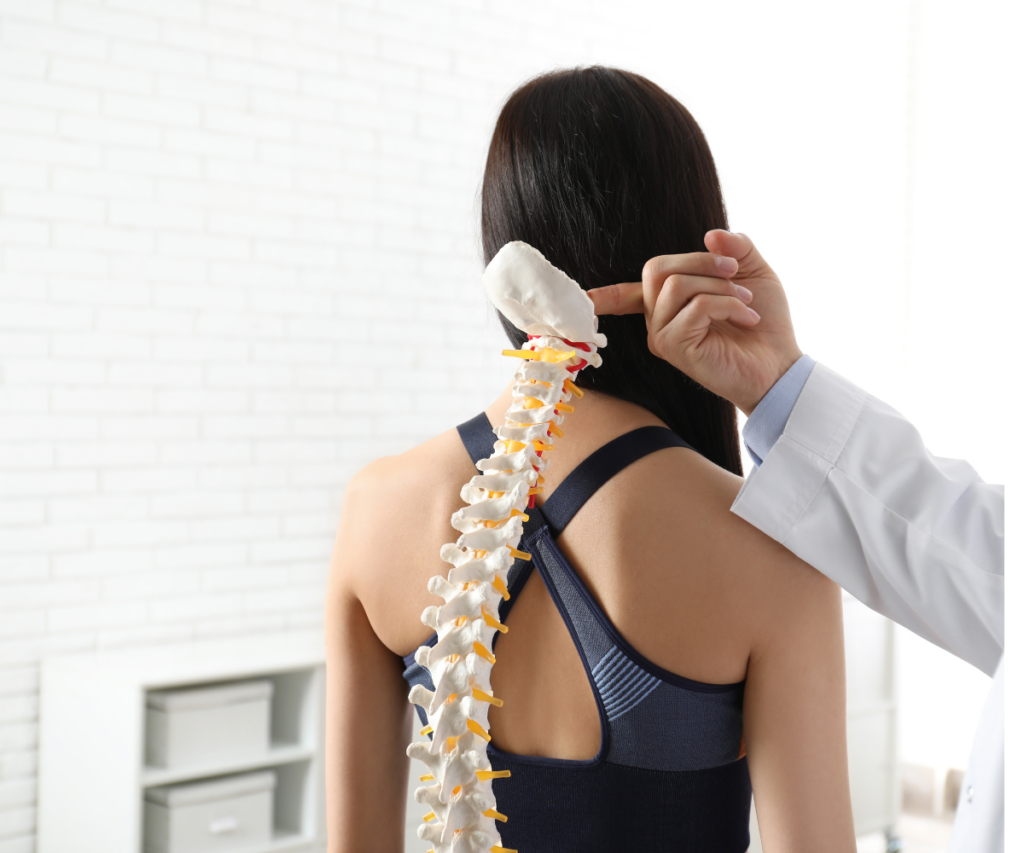
Bone density peaks at around 35 and naturally decreases with age. Women may experience rapid reductions post-menopause, which affects bone density.
“Oestrogen protects bone density. Levels decline in menopause, increasing fracture risk due to reduced bone density.”
Women going through menopause should care for their bone health as lower estrogen levels can weaken bones, directly impacting bone density in menopause.
“During menopause, tendons can be affected, leading to tendinopathies. Decreased estrogen levels can cause a reduction in bone density, increased inflammation in the body, and decreased muscle mass and strength,” explained Sam Bhide, the physiotherapist at Physiozen Ltd.
What is osteoporosis, and what signs should we look out for?
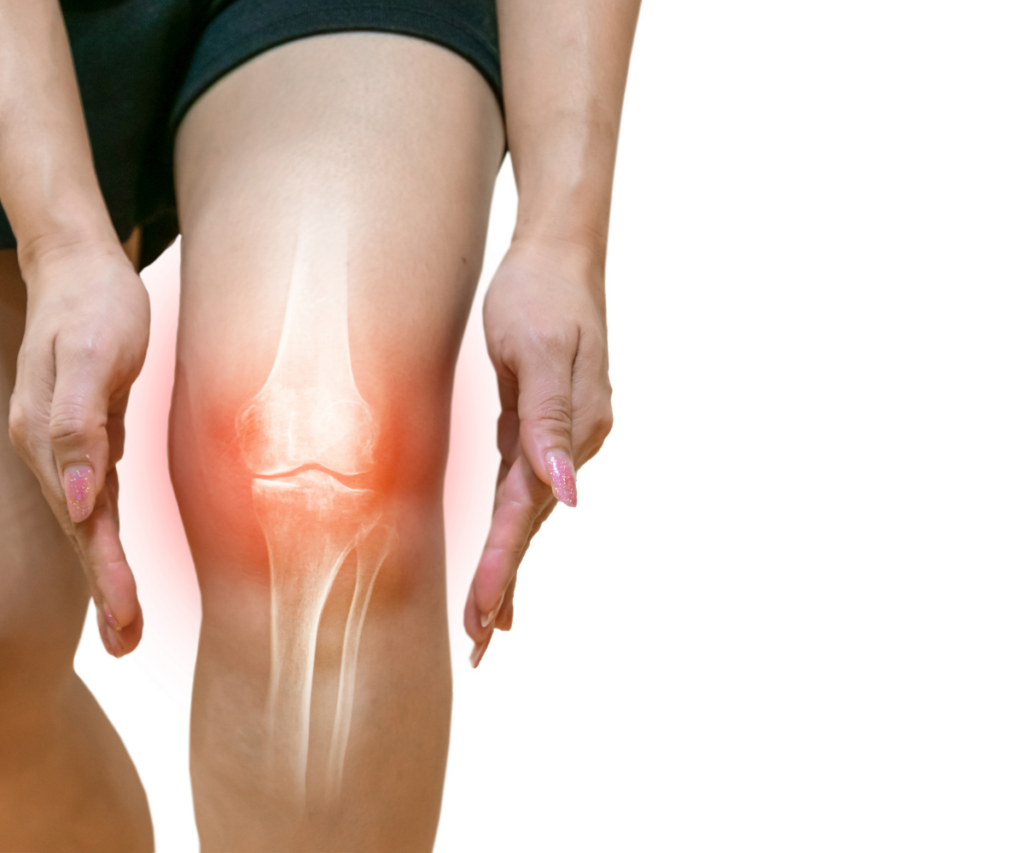
“Osteoporosis is a common bone disease, characterized by bone mass loss and bone tissue deterioration,” says Phillips. “It is often called the silent disease because it progresses silently and without symptoms until a fracture or break occurs that further affects bone density.”
Although it is often asymptomatic, there are a few signs to look out for.
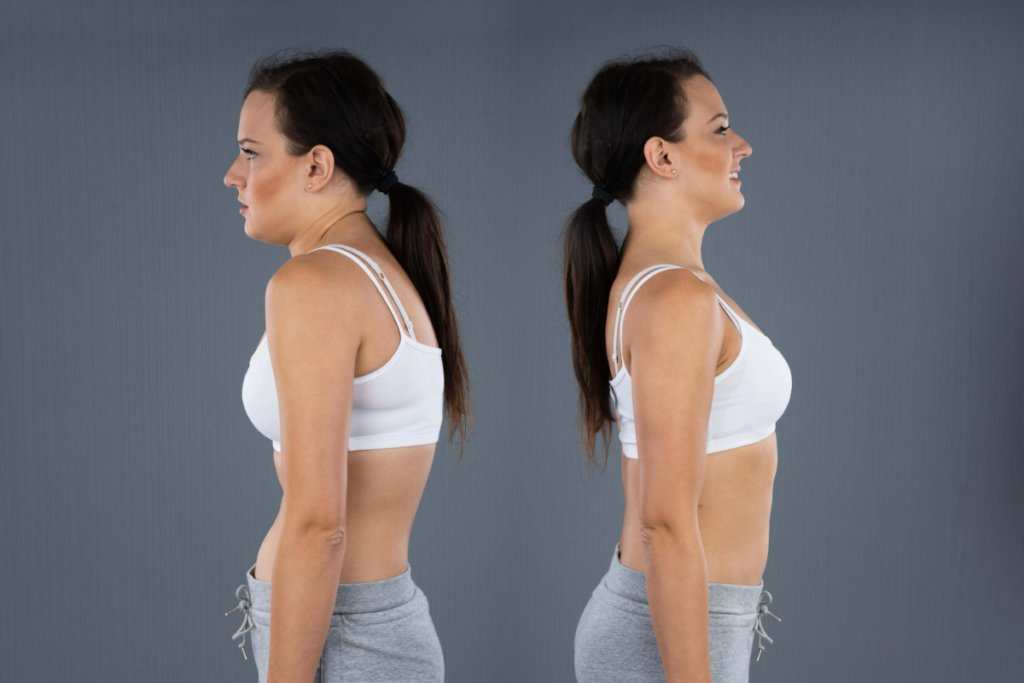
“Some people with osteoporosis may develop a stooped posture, known as kyphosis,” says Phillips. “The weakening of the bones in the spine can cause it to curve forward, resulting in a rounded upper back and a hunched appearance, often occurring post-menopause due to changes in bone density.”
“Osteoporosis also makes bones more fragile and susceptible to fractures – even minor falls or accidents that would not typically cause a fracture can result in broken bones.
“Fractures commonly occur in the hip, wrist, and spine, and can be extremely painful and debilitating.”
Bhide adds that muscle aches or pains, tiredness from physical activity, poor balance, and coordination issues could also be warning signs, especially significant for bone density in menopause.
“If you’re feeling achy and weak, it’s a good idea to contact a physiotherapist for exercises to improve bone density and strength, particularly after menopause.”
What can we do to strengthen our bones?

Our diet can help support our bone health as we age, especially during and after menopause.
“Having a diet rich in nutrients key to bone health, such as calcium and magnesium, as well as taking a vitamin D supplement, will help support bone health,” says Phillips. “Calcium is essential for maintaining strong bones, and vitamin D helps the body absorb calcium effectively, all critical for bone density in menopause.”
“Without sufficient amounts of these nutrients, our bones become more susceptible to fractures and deterioration, particularly for women in menopause.”
Exercising regularly can also make a huge difference

“Regular weight-bearing exercises, such as walking, jogging, or weightlifting, help stimulate bone growth and maintain bone density,” adds Phillips. “When we don’t engage in these activities, our bones may become weaker and more prone to fractures, especially as bone density decreases in menopause.”
“Research has shown that resistance training has a direct impact on not only our muscle but bones too, which is vital for maintaining bone density during menopause.”
Try and implement new habits into your daily life
“Be active. Try to take the stairs instead of the elevator,” recommends Bhide. Consider walking instead of driving for short distances to help maintain bone density through menopause. “Try sit to stand exercises for five repetitions while working from home or in the office. It is an easy way to do supported squats that help strengthen the lower body and improve bone density.”
“Try sit to stand exercises for five repetitions while working from home or in the office. It is an easy way to do supported squats that help strengthen the lower body and improve bone density.”
