
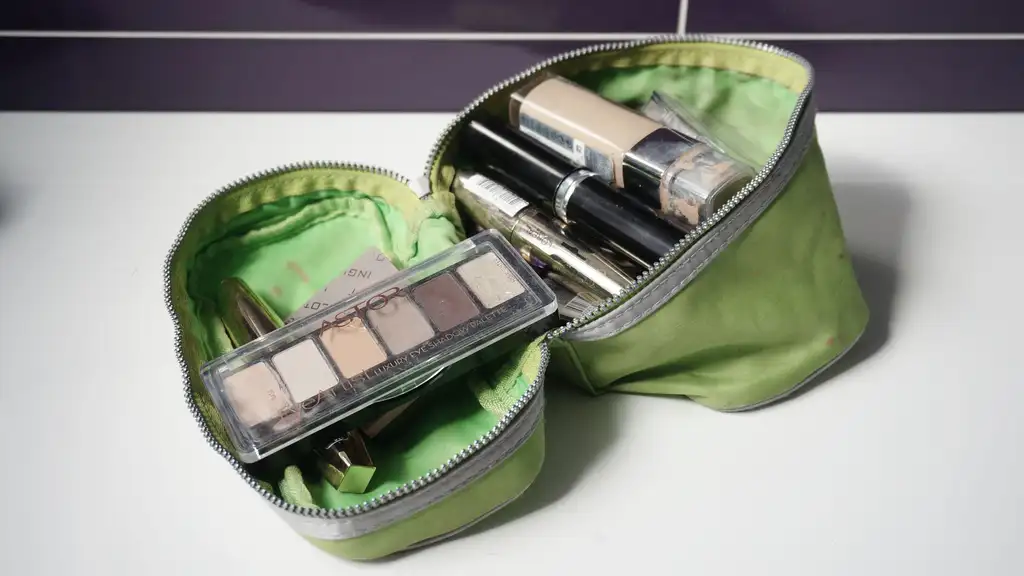
Are you cleaning your makeup bag properly? Here’s what can happen if you don’t…
When was the last time you thoroughly washed your makeup bag? If, like many of us, you can’t quite recall, chances are you’re due for a deep clean.
While most cosmetic bags are machine-washable, it’s rarely the first item on the to-do list, allowing bacteria to accumulate for months—perhaps even years.
With the new year upon us—and likely time for a clean-out—doctors and beauty experts share how to effectively clean your makeup bag, tools, and palettes to prevent breakouts and infections.
How often should you clean you make-up bag?
“Everything you wash, rub in, paint on, or spray onto your skin has health consequences,” explains women’s healthcare specialist Dr. Deborah Lee from Dr. Fox Online Pharmacy.
“To begin with, your make-up brushes are an ideal breeding ground for bacteria and other microorganisms.”
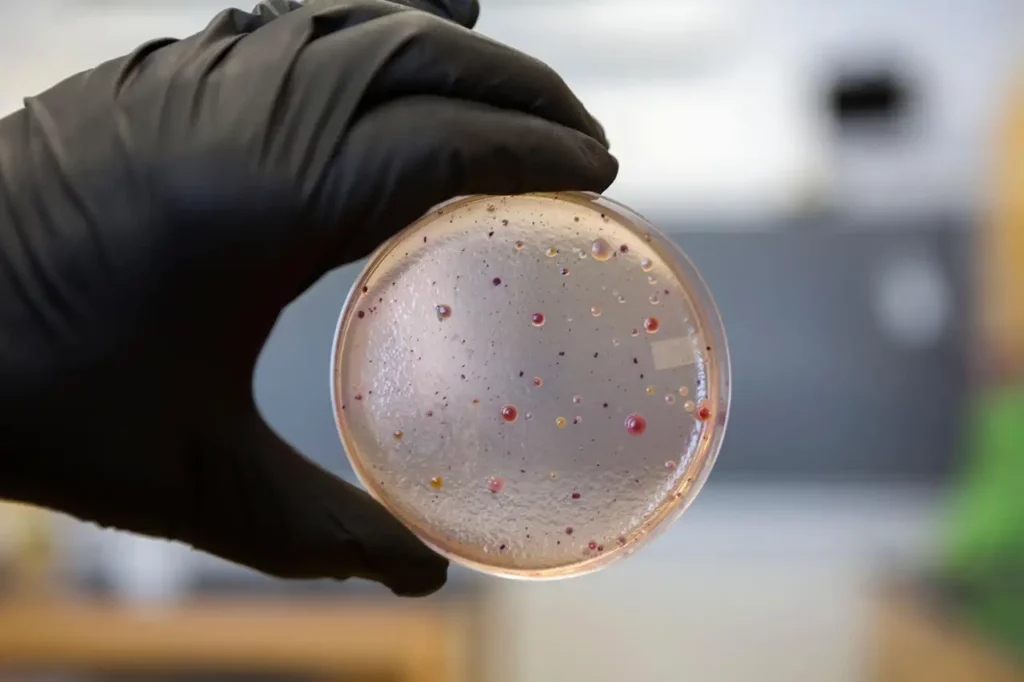
“A 2019 study revealed that nine out of 10 make-up products were contaminated with bacteria such as E.coli, staphylococcus, and fungi. Make-up sponges were especially prone to contamination with 96% showing fungal contamination.”
How often should you clean your tools? How do you do it?
“Everything you wash with, rub in, paint on, or spray onto your skin has health consequences,” explains women’s healthcare specialist Dr Deborah Lee from Dr Fox Online Pharmacy.
“For a start, your make-up brushes are a perfect breeding ground for bacteria and other microorganisms.
“We never want to promote waste, but beauty sponges do need to be replaced more often than make-up brushes,” explains Beauty Pie‘s beauty expert Lottie Winter, “purely because they can’t withstand the cleaning process as well and they can start to lose their absorbency or disintegrate.
“If you’ve ever seen one of those social media videos where someone slices a beauty sponge in half to show what’s inside, “You’ll understand why it’s so important to clean your sponges,” Winter explains.
To clean your sponge, Winter suggests rinsing it under warm running water and working in a cleansing solution or baby shampoo. Then, rinse and repeat until the water runs clear.
The same goes for make-up brushes, which can dry on a clean cloth or towel in a dry environment (not a humid bathroom)
Products and tools most prone to bacterial build-up
There are some products in your make-up bag that are more susceptible to germs than others.
“Generally, these are eyeliner brushes, eyeshadow brushes, and foundation sponges and applicators,” explains organic skincare expert and founder of BlommaBeauty Karen MacDonald.
““This is because the area around your eyes and skin harbor bacteria that must be cleaned thoroughly to prevent build-up, infections, or the transfer of oils back onto the skin.
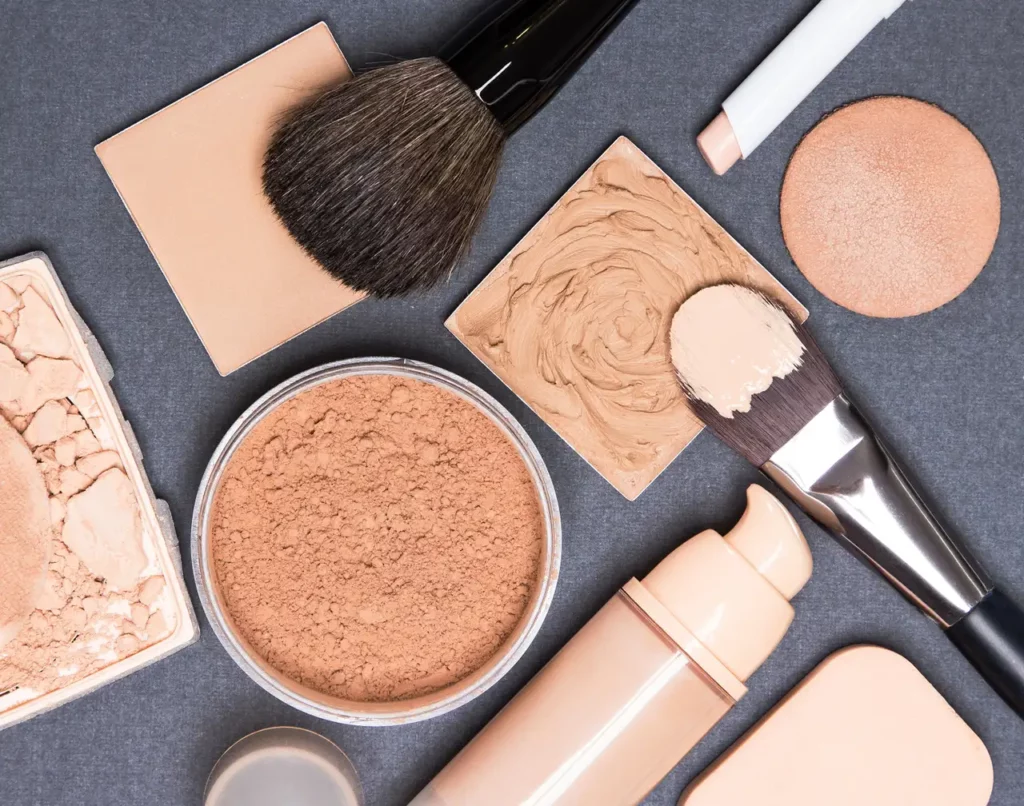
Brushes and sponges are the worst culprits when it comes to harbouring bacteria. “After all, you apply these products to the skin and then put the wand, powder puff, brush or applicator back and leave it for use next time,” says Dr Lee.
“The tool is now covered with bacteria and dead skin cells for them to feed on.
“Bacteria are tiny – five million fit on a pinhead – but their numbers increase four to 20 times every hour! Imagine how many bacteria are living in your make-up after three months!”
How do you check makeup expiration dates?
Many makeup products show expiration dates on the bottom or label corner, typically with a pot icon and a number.
The ‘M’ shows months left until expiration, e.g., 3M means 3 months, 12M means 12 months, and 24M means 24 months.
“The product will perform optimally until [the expiration date]. After that, the manufacturer cannot assure its effectiveness,” Dr. Lee explains. “This also depends on storage. If it has overheated or become damp, it will affect the color, texture, and ease of use.”
“Natural products typically have shorter shelf lives,” explains MacDonald. “Products with additives and stabilizers will have longer shelf lives, but could irritate sensitive skin types.”
Out-of-date makeup can be the underlying reason for skin breakouts, rashes, and infections.
How to protect against germs
There are some tips and tricks the experts recommend in order to prevent bacterial build up.
Opt for powder products, such as mineral foundations, to minimize bacterial growth and heat effects, advises MacDonald.
So perhaps choosing an eyeshadow palette over cream shadows is the way to prevent germs.
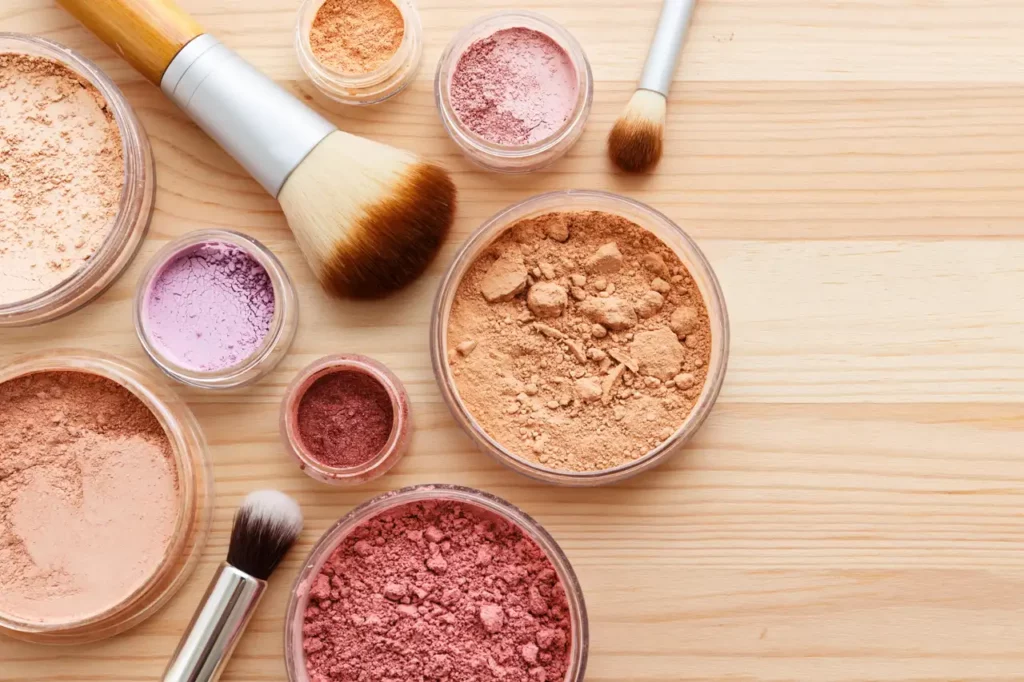
“Storing your make-up in a clean, dry and well-ventilated area can help keep products fresher for longer,” explains Young.
“When cleaning your makeup bag, seize the chance to examine your products. Check for any changes in smell, texture, or color, and throw away anything that seems off. Regularly decluttering old products also helps maintain a more hygienic makeup storage.”
Wash hands and use clean tools daily to minimize breakouts and health risks, alongside regular decluttering.
