
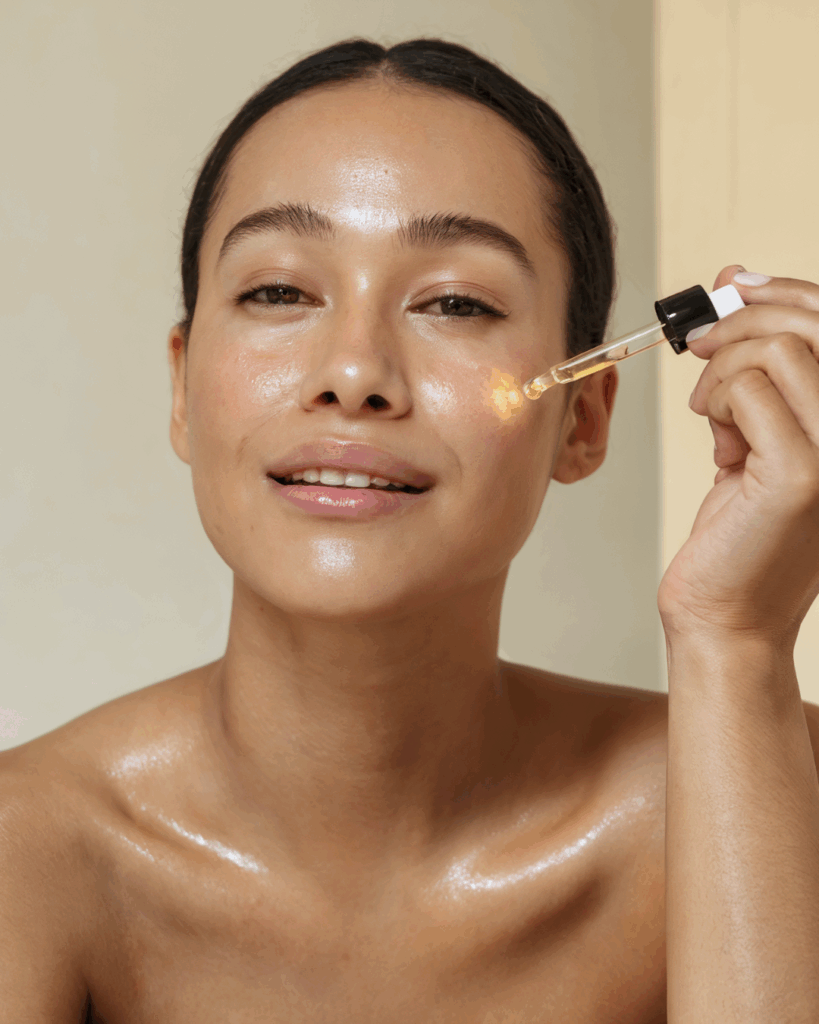
If your skin feels dry, tight, or flaky—especially as you age—you may have heard of a buzzy new skincare trend called “skin flooding.” It promises deep hydration and a healthy glow by layering moisture-rich products in a specific order. But is it just another viral moment, or could this technique work for dry, aging skin?
Let’s take a closer look at what skin flooding is, how it works, and whether it’s a brilliant addition to your anti-aging skincare routine.
💦 What Is Skin Flooding?
“Skin flooding” is a method of layering multiple hydrating products quickly after cleansing to saturate the skin with moisture, much like “flooding” a sponge.
The steps usually look like this:
- Start with damp skin. (Mist or splash with water after cleansing.)
- Apply a hydrating toner or essence containing ingredients such as hyaluronic acid or glycerin.
- Follow with a humectant serum, like one containing hyaluronic acid, polyglutamic acid, or panthenol.
- Seal everything in with a moisturizer (and oil if your skin is extra dry).
The goal? To trap hydration inside the skin barrier—something aging and dry skin often struggles to do efficiently on its own.
🌿 Why Skin Flooding Appeals to Dry, Aging Skin
@torilatise What is Skin Flooding?! Hi loves! Skin flooding is when you layer hydrating toners pon damp skin to really soak in the moisture. Think of it like giving your skin a big drink of water. You start with something like a lightweight toner and work your way up to a heavier toner or essence. You also don’t have to use multiple toners. I’ve seen people only use one or two toners for skin flooding. The goal is to hydrate your skin deeply to help lock in moisture for plump and glowy skin. I’ve also read that it can help with your skin barrier and texture. These are the products I’m using at night: @Evian Facial Spray calm spray @Beekman 1802 milkshake toner @anua_global 70+ rice 70 & ceramide toner @LA MER treatment lotion @Zoskinhealth complexion clarifying serum that I get from @RegenesisMD med spa @reframebeauty overnight collagen seal moisturizer #skinflooding ♬ Dreamy Girl – Headphone Chill Girl
As we age, our skin naturally loses:
- Moisture (thanks to a drop in hyaluronic acid levels)
- Lipids (leading to a weaker skin barrier)
- Elasticity and bounce
Dry skin often accompanies aging, particularly during seasonal transitions or post-menopause. Skin flooding targets this dryness by building hydration from the ground up, without relying solely on heavy creams.
“As we get older, our skin’s ability to retain moisture declines,” says Dr. Hadley King, a board-certified dermatologist in New York City.
“Hydrating in layers can be a great strategy to help restore that dewy, plump look without overwhelming the skin.”
🔬 Does It Work?

Yes—when done right, skin flooding can be incredibly beneficial for dry, mature skin. Here’s why:
✅ Deep hydration helps plump fine lines.
✅ Layering light products helps prevent clogged pores.
✅ Prepping damp skin boosts product absorption.
✅ Protects the skin barrier by reducing transepidermal water loss.
“Hydrating serums like hyaluronic acid work best when applied to damp skin,” explains Renée Rouleau, celebrity esthetician and founder of her namesake skincare line.
“Think of it like watering a dry sponge—it absorbs better when slightly wet.”
⚠️ Watch Out For…
- Over-hydration can happen if you flood without sealing with a moisturizer. That can lead to evaporation (aka transepidermal water loss).
- Using harsh actives (such as exfoliating acids or retinoids) simultaneously can irritat the skine. Flooding is a hydration technique, not a one-size-fits-all routine.
- Product layering gone wrong: Not all ingredients play well together. Stick to gentle, barrier-supporting formulas when flooding.
💧 Best Skin Flooding Ingredients for Aging Skin
Here’s what to look for in each layer:
Step 1: Hydrating Toner or Mist
- Rose water
- Aloe vera
- Rice water
- Glycerin-based toners
2: Serum
- Hyaluronic acid
- Polyglutamic acid
- Beta-glucan
- Niacinamide (for added barrier support)
Step 3: Moisturizer
- Ceramides
- Squalane
- Peptides
- Shea butter (for dehydrated skin)
Optional Step 4: Facial Oil (PM only)
- Marula
- Rosehip
- Jojoba
“Skin flooding works best when you include both humectants and emollients,” adds Dr. Marisa Garshick, a dermatologist at MDCS Dermatology.
“You want to draw in moisture and lock it in.”
🧖🏽♀️ How Often Should You Skin Flood?
2–3 times per week is ideal for most people, especially if you’re already using actives like retinol or exfoliating acids on alternate nights. You can also use a skin flood daily in winter or when your skin feels extra tight or reactive.
🌟 Final Thoughts: Is Skin Flooding Right for You?
If you’re over 40 and experiencing dryness, dullness, or a “tight skin” feeling—yes, skin flooding could be a gentle and straightforward way to boost hydration and support your skin barrier.
It’s not a miracle solution, but it can be a powerful hydration ritual when used with high-quality products and maintained consistently.
Want to try it? Start small: mist, serum, moisturizer. See how your skin responds—and adjust accordingly based on its needs.
✨Try This Tonight:
After cleansing, mist your face, apply a hyaluronic acid serum while your skin is still damp, and finish with your favorite night cream. Wake up to calm, dewy skin.
