

Here’s how to build a great skincare routine for mature skin.
If you’ve seen the recent Golden Globes red carpet photos, you may be curious about how celebrities like Demi Moore, 62, and Nicole Kidman, 57, keep their skin looking smooth, plump, and poreless. Many wonder about the skincare routines of women over 50. In this article, we will explore the best approaches to skincare for women in that age group.
Whilst they may have access to the top treatments and products – knowing the basics of a great beauty routine is the secret to their mature skin.
We hear from top dermatologists and skincare experts about the beauty habits you should adopt if you’re over 50.
What changes occur in skin after age 50?
How your skin looks and feels changes dramatically when you enter middle age, and the onset of menopause plays a significant role in its appearance.
“The average age at which women reach menopause in the is 51,” says Dr. Nyla Raja, dermatologist and founder of Dr. Nyla Medispa.
Reduced blood flow causes your skin to lose its radiance, and drops in estrogen, which is an antioxidant, mean that the skin is less protected from external aggressors.
Further, collagen depletion occurs at a rate of 2% per year, leading to a loss of up to 20% of collagen by your 50s. Additionally, the skin’s natural cell regeneration and recovery processes slow down, making hyperpigmentation and age spots more of a concern due to cumulative UV damage.
But hope isn’t lost for beautiful-looking skin. Adopting some daily habits can transform the look and feel of your face.
How stress and hormonal changes impact the skin after age 50
Menopause’s effect on the skin may be bigger than you’d realized. “Skin changes are also a common occurrence during menopause. The most frequent skin-related concern reported during menopause is skin dryness, followed by thinner, more wrinkled and less voluminous skin,” says Raja.
“Hormones and stress can also heighten skin sensitivity,” explains Raja. Therefore, using products with fewer perfumes is crucial, and adopting skincare with natural, organically derived ingredients will be better for aging skin.
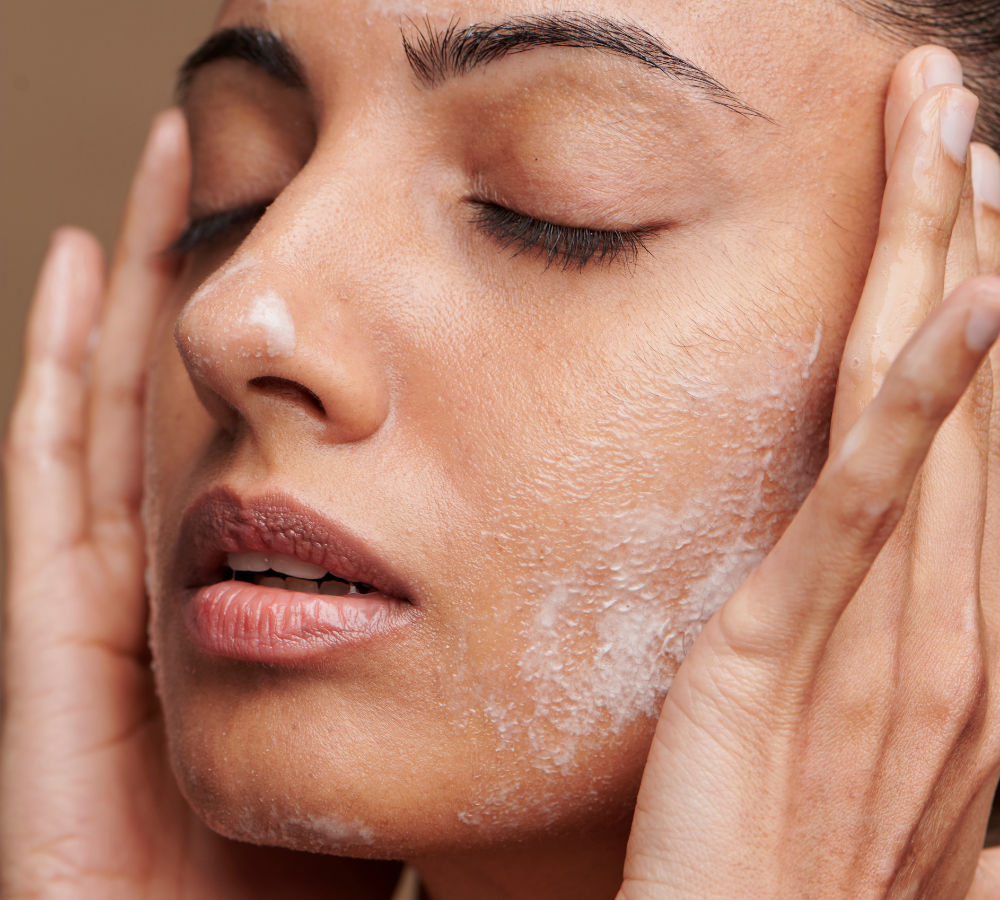
“Look for soothing ingredients that can help with issues like inflammation, such as niacinamide, panthenol (vitamin B) or aloe vera,” suggests founder of Harley Street Skin Clinic, Lesley Reynolds.
If you experience dryness or reduced volume in your skin, consult a dermatologist about topical treatments, such as low-dose estrogen creams or prescription-strength moisturizers.
Adopt a streamlined skincare routine
Repetition and routine is vital for getting your skin back into shape after 50.
“Regardless of your age, your skincare routine should include double cleansing with one cream-based product and one water-based product, followed by a moisturizer and an SPF,” advises Raja.
But if you’re looking for a more detailed breakdown of a daily skincare routine, Dr Joney De Souza, skincare expert, details his recommended regime:
“In the morning, use a gentle cleanser, followed by a vitamin C serum to brighten the skin. Follow up with a ceramide-rich moisturiser and sunscreen, SPF 30 or higher – even on cloudy days.”
“In the evening, use a nourishing cleanser such as a balm to remove make-up and environmental impurities, then apply your actives such as retinol to boost collagen production. Then finish with a rich night cream – and if you’re over 50 – incorporate an eye cream with peptides.”
Ingredients to incorporate
Ingredients to look out for with maturing skin are those that add glow and volume – attributes that decrease with age.
“Retinol or retinoids (otherwise known as vitamin A), vitamin C, hyaluronic acid and collagen are all ingredients to look for to address aging skin,” says Raja.
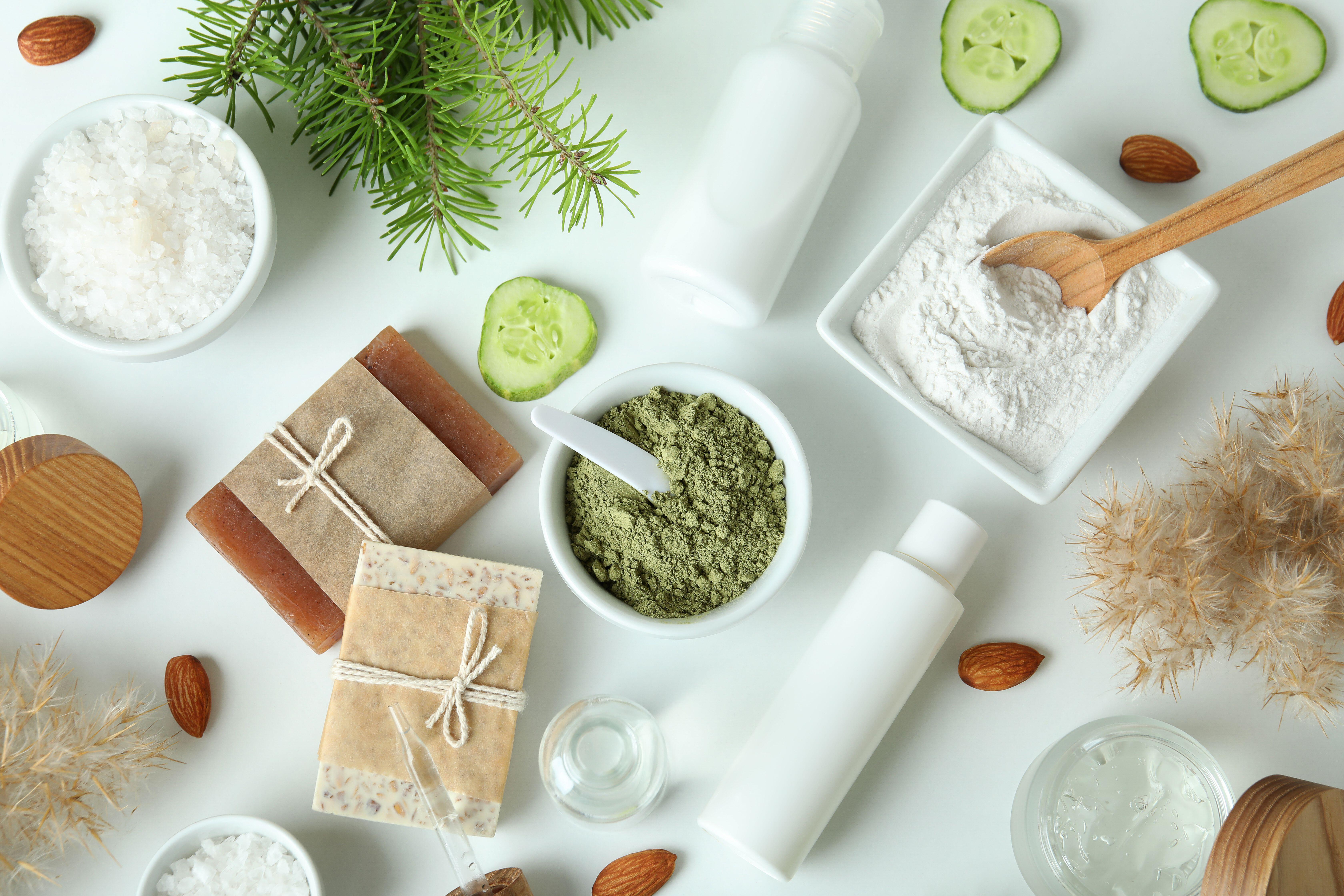
When it comes to these active ingredients, look for products with a higher potency which tend to be more effective. “I’d advise speaking to a dermatologist to help you find the right products for you as not all ingredients are right for all and will differ depending on your skin’s needs,” explains Raja.
It’s important to exfoliate the skin with AHAs and BHAs, however, you do not need to exfoliate as often with mature skin.
“Over-exfoliating and using products with harsh ingredients on mature skin which tends to be thinner and less resilient, makes it more prone to irritation and micro-tears,” explains skin therapist and co-founder of Ella & Jo Cosmetics Charlene Flanagan.
While younger skin can reap the benefits of chemically exfoliating once to even three times a week – mature skin should use exfoliants once a week maximum.
Common mistakes to avoid
You might think that if your skin shows signs of aging, it can’t be reversed, so you might feel less compelled to focus on skincare prevention.
“Many individuals over 50 may neglect sunscreen, believing that the skin damage is irreversible and that protection is unnecessary at this stage. This is a misconception,” says holistic skincare specialist Dr. Miriam Adebibe.
“Protect your skin from the UVA aging rays of the sun everyday, no matter what your age, to reduce skin damage which is cumulative.”
Another common mistake is to not cleanse effectively
People over 50 often tend to use lighter face makeup, which can lead them to be more relaxed about the cleansing part of their skincare routine. Raja explains, “It’s essential to always double cleanse to effectively remove your makeup. Debris and bacteria can accumulate on the skin, resulting in stains that can dull the complexion.”
Many individuals in this age group might not realize the importance of caring for their changing skin, but hydration and protection are crucial at any stage of life and never lose their significance.
