
When it comes to youthful, radiant skin, most people focus on what they apply externally. But true, long-lasting results begin beneath the surface—with collagen.
Collagen is the structural protein that keeps your skin firm, smooth, and resilient. And as we age, our body’s ability to produce it naturally begins to decline.
Understanding how collagen works—and how to support its production—is one of the most powerful steps you can take toward ageless beauty. Collagen is deeply connected to how your body responds to stress and aging.
What Is Collagen and Why Does It Matter?
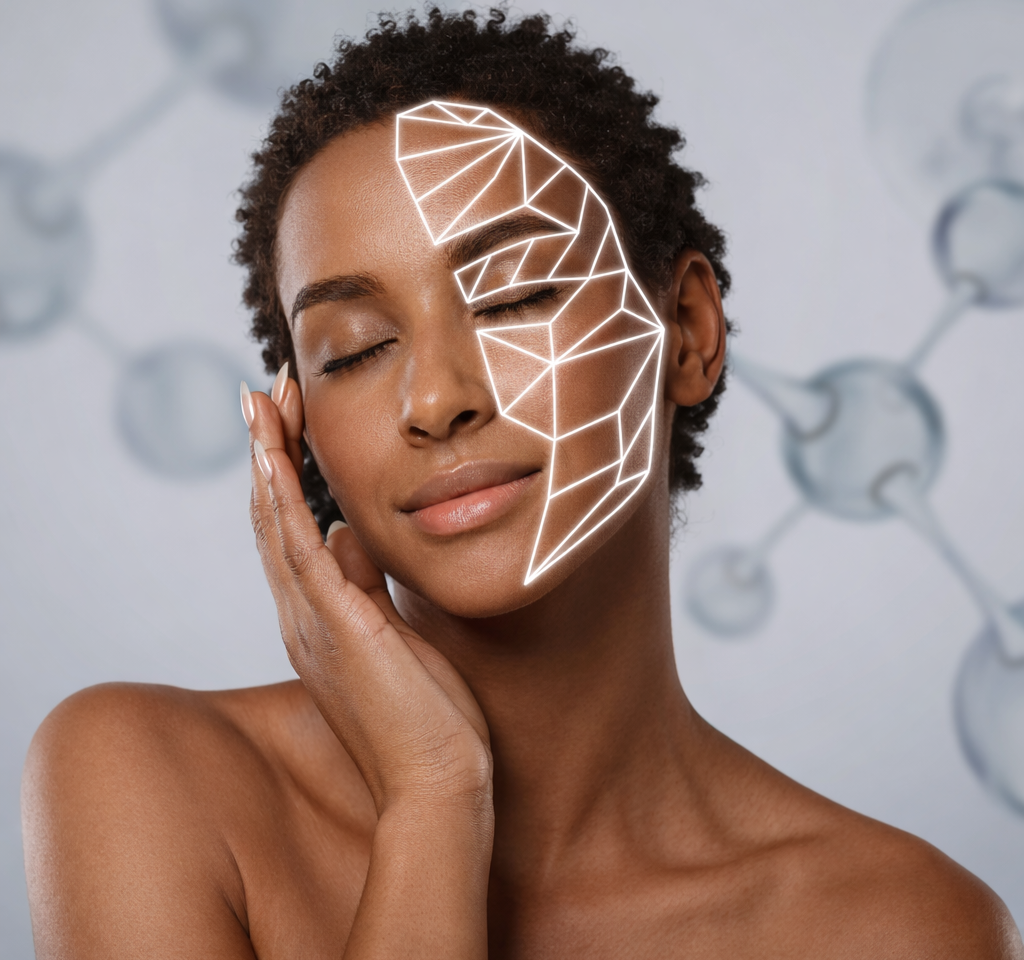
Collagen is the most abundant protein in the body and acts as the foundation of your skin. It plays a key role in maintaining skin structure and elasticity Cleveland Clinic.
It is responsible for:
- Firmness and elasticity
- Smooth texture
- Skin strength and structure
- Overall youthful appearance
When collagen levels are high, skin appears lifted, plump, and radiant. When it declines, we begin to see fine lines, sagging, and dullness.
Why Collagen Declines With Age
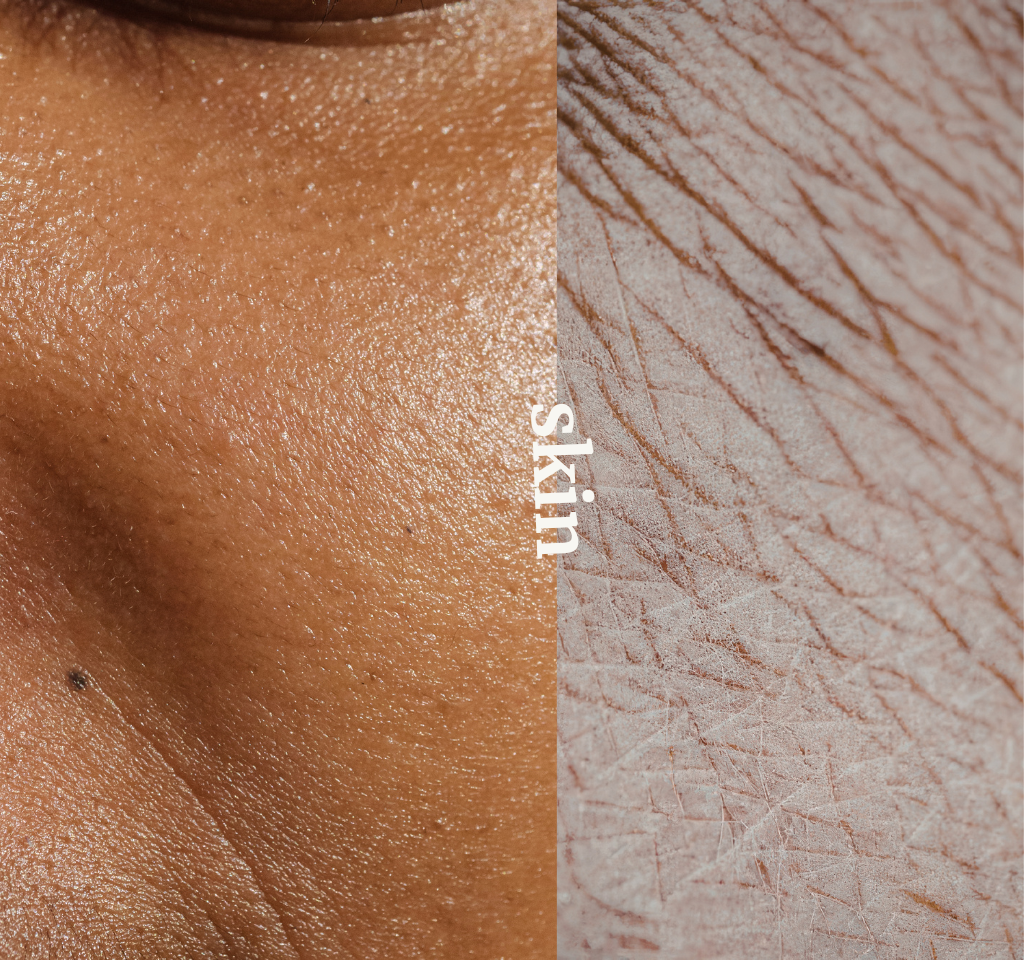
Starting in your mid-20s, collagen production naturally slows down. Research shows collagen levels decrease as part of the natural aging process (NIH).
This process is accelerated by:
- Stress and elevated cortisol
- Poor sleep
- Inflammation
- Environmental damage
- Hormonal changes
This is why taking a holistic anti-aging approach is essential for maintaining long-term skin health.
The Hidden Connection: Stress and Collagen

One of the most overlooked factors in collagen loss is stress. Chronic stress has been linked to accelerated skin aging, Harvard Health.
When your body is in a constant state of stress, it produces cortisol—a hormone that can break down collagen over time.
This is why your nervous system plays a key role in skin aging.
Supporting your nervous system isn’t just about feeling better—it directly impacts how your skin ages.
Signs Your Collagen Levels May Be Declining
- Fine lines and wrinkles
- Loss of firmness
- Dull or thinning skin
- Increased dryness
- Slower skin recovery
These changes are natural—but they can be supported and slowed with the right approach. Harvard Health
How to Support Collagen Production Naturally

The goal isn’t just to add collagen—it’s to help your body produce and protect it.
1. Prioritize Nervous System Health
Reducing stress helps prevent collagen breakdown and supports overall skin health.
2. Nourish Your Body From Within
Focus on:
- Protein-rich foods
- Vitamin C
- Hydration
- Healthy fats
These are essential building blocks for collagen production.
3. Protect Your Skin Barrier
A simple, supportive skincare routine helps prevent unnecessary inflammation and damage.
4. Invest in Targeted Treatments
Certain treatments are designed to stimulate collagen production and improve skin structure over time.
Explore our personalized wellness and beauty treatments designed to support collagen and long-term skin health.
5. Align With Seasonal Changes
Your skin’s needs—and collagen support—shift with the seasons.
Simple rituals can help maintain balance and glow year-round.
Explore our anti-aging beauty rituals for the season.
A New Approach to Ageless Beauty

Collagen is not just about appearance—it’s about function, structure, and long-term skin health.
Instead of chasing quick fixes, focus on supporting your body’s natural ability to repair, regenerate, and renew.
Because real beauty is not created—it’s supported.
Final Thoughts
If you want truly ageless skin, the question isn’t just what you apply…
It’s how well your body is able to produce collagen.
When you support your internal systems—your nervous system, your nutrition, your lifestyle—your skin reflects it.
At Wellness + Ageless Beauty, we believe that lasting radiance begins within.
Key Takeaways
- Collagen production is vital for youthful, firm skin, but it declines naturally with age due to stress, poor sleep, and environmental factors.
- To support collagen production, focus on nervous system health, eat nourishing foods, and maintain a protective skincare routine.
- Signs of declining collagen levels include fine lines, loss of firmness, and increased dryness of the skin.
- Invest in targeted treatments and adapt your skincare to seasonal changes to boost collagen production and skin health.
- Real beauty stems from supporting your body’s natural collagen production rather than relying on quick fixes.
Related links
