

Your evening skincare routine might be affecting the quality of your sleep.
A nighttime routine could involve cleansing, moisturizing, or lighting a scented candle for a relaxing experience before bed. Whatever your preparation for bed entails, this nighttime ritual plays a vital role in the quality of your sleep.
Evening skincare products affect skin condition and relaxation, says organic beauty expert Charlotte Vøhtz.
Harsh products with synthetic fragrances or exfoliating acids can irritate the skin and make it harder to relax before bedtime.
Certified dermatologists and beauty experts break down the perfect beauty routine for a restful night’s sleep.
What can help you get to sleep?
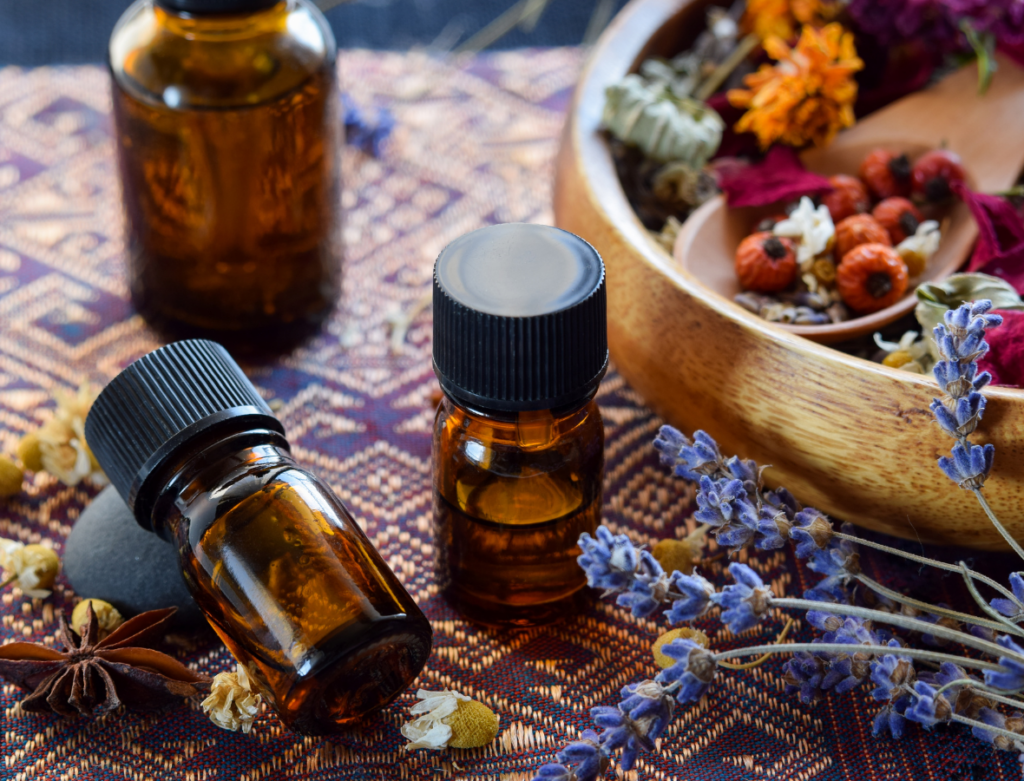
When considering nighttime scents, lavender and chamomile often come to mind, and for good reason. Both flowers are known as nervines, meaning they support the nervous system. Lavender and chamomile are recognized for their soothing aromas and are fragrant relaxants. They contain essential oils that help relieve stress and promote better sleep.
“Valerian, vetiver, clary sage, sandalwood, and ylang-ylang are also relaxing-inducing plants,” says skin expert and Ultrasun founder Abi Cleeve.
Through bath salts or candles, aromatherapy significantly aids relaxation, says Lucy Goff, founder of LYMA skincare.
While the air we breathe is essential for falling asleep, its quality also depends on what we consume.
“Supplements can improve sleep quality,” says Goff. In particular, minerals such as magnesium glycinate relax the nervous system and your muscles.
“A clinical trial found magnesium could also reduce anxiety by up to 31%,” says dermatologist Dr Sonia Khorana from Hero Cosmetics. “Vitamin D, Valerian, melatonin, and ashwagandha are also ingredients to look out for for improved sleep quality.”
Having experienced sleep deprivation herself, Goff developed her supplement. “It has key patented ingredients that enhance aspects of brain function to improve sleep quality,” she says. “It’s designed to move away from ‘knock-you-out sedatives’ that compromise daytime function.”
Products to avoid – from eye creams to exfoliants
Caffeine and blue light suppress melatonin, tricking our brains into believing it’s daytime and disrupting sleep patterns. But caffeine isn’t just found in coffee.
“Some beauty products, like eye creams or serums, contain caffeine to reduce puffiness or dark circles,” says Vøhtz. “These products may interfere with your ability to fall asleep if applied too late in the evening.”
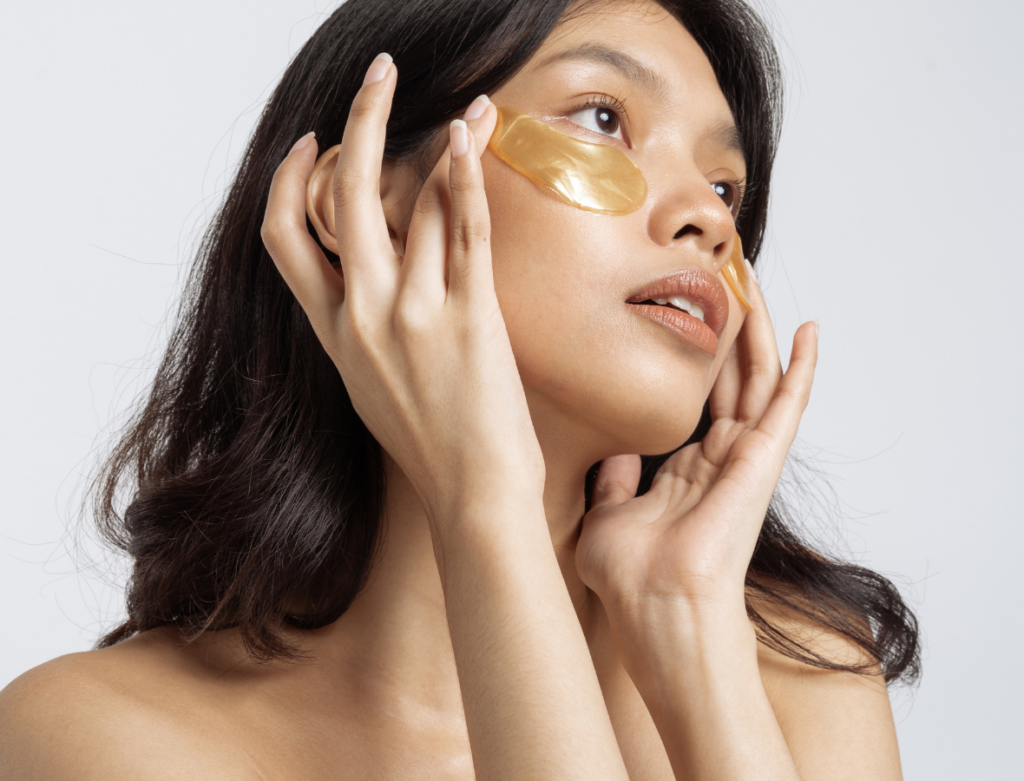
It is not just your eye cream that can impact your sleep; chemical exfoliants can also disrupt your rest. “Exfoliators containing AHAs or BHAs can make your skin more sensitive or irritated, especially at night,” says Vøhtz. Inflamed or sensitized skin can cause discomfort and isn’t ideal for bedtime.
Alongside harsh ingredients, scent is a crucial aspect of your products that can interfere with your natural sleep cycle. “Uplifting fragrances such as citrus and jasmine are big ones to avoid,” says Cleeve. However, they are great for sleepy mornings!”
Synthetic fragrances in skincare can cause sensitivities and headaches, disrupting your ability to relax and unwind.
An expert’s beauty routine for a good night’s sleep
While this may have left you checking the labels on your night creams, there’s a simple solution to reclaiming your beauty routine for a better night’s sleep.
“An effective skincare routine is crucial as your skin repairs itself during sleep; block blue light two hours before bed.”
“I have a no-tech rule after 8 p.m.,” says Goff. Otherwise, I’d be responding to emails all night. I unwind by double cleansing with the LYMA Laser to refresh my skin and aid its nightly repair.
Regarding skincare, experts recommend double cleansing to help drain your face and remove all impurities. “I suggest starting with a cleansing oil or balm, followed by a gel cleanser to ensure that your skin feels soft and clean,” says Khorana.
Apply a retinoid serum for improved cell turnover, reducing fine lines and wrinkles while enhancing collagen production for youthful skin. (Collagen keeps our skin plump.)
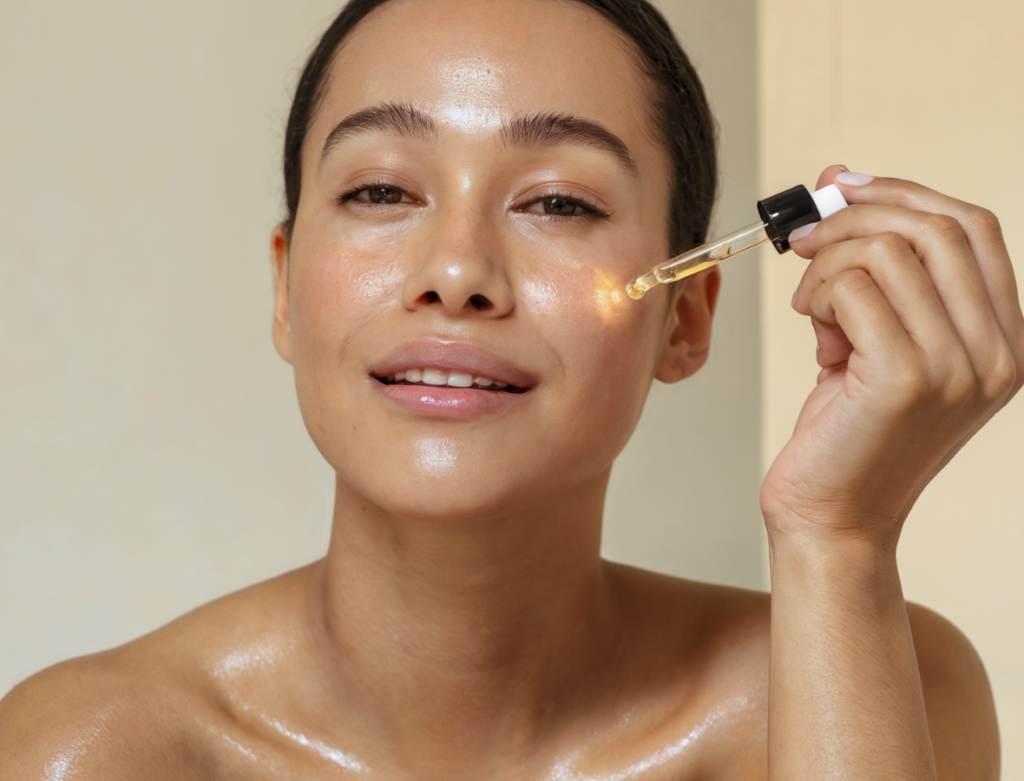
Select a nourishing night cream for dry skin with ingredients like hyaluronic acid and ceramides to retain moisture effectively. After a long day, sticking to a complicated skincare routine may feel like a chore, but taking the time for relaxing rituals can boost your energy in the long run. As Vøhtz explains, “beauty sleep is more than just a saying.”
Relaxing skincare rituals can enhance your energy after a long day, proving that beauty sleep holds benefits.
