

A healthy gut affects the well-being of the whole body and mind. Lisa Salmon explains how to keep your digestive system in tip-top shape.
If you don’t have digestive problems, you may think there’s nothing you need to do to look after your gut.
However, up to 80% of immune system cells are found in the gut, and gut bacteria influence bowel function, immune health, skin health, allergies, and mental health.
So, looking after your gut can help you look after your whole body and mind. Yet new research by the Love Your Gut campaign has found that nearly two-thirds of people (65%) have no idea how vital gut health is to their overall health and well-being.
Love Your Gut Week (September 16-22) is held annually to help people care for their digestive systems.
Julie Thompson, information manager at Guts UK, one of the charities associated with the campaign, says: “We all have guts, so it’s vital we know how to look after them and, more importantly, recognize the digestive symptoms that might be telling us something isn’t right. We can all do some things to help keep our guts happy, from maintaining a healthy balanced diet to moving our bodies—in essence, following a healthy lifestyle.”
Registered dietitian Jo Travers, who works with the Love Your Gut campaign, points out: “There’s a significant knowledge gap in understanding that gut health can improve your overall well-being.
“Taking control of your lifestyle to improve your gut health might sound overwhelming, but it shouldn’t be because many of the solutions are simple, practical ones that involve tweaks to our daily routines.”
Here’s how to do it:
1. Eat plenty of plants
Travers says eating a wide range of plant-based foods, such as fruits, vegetables, whole grains, and legumes, will nourish the beneficial bacteria in your gut. “The more diverse your intake of plant foods, the more diverse your gut bacteria will be, positively impacting your sleep and stress.”
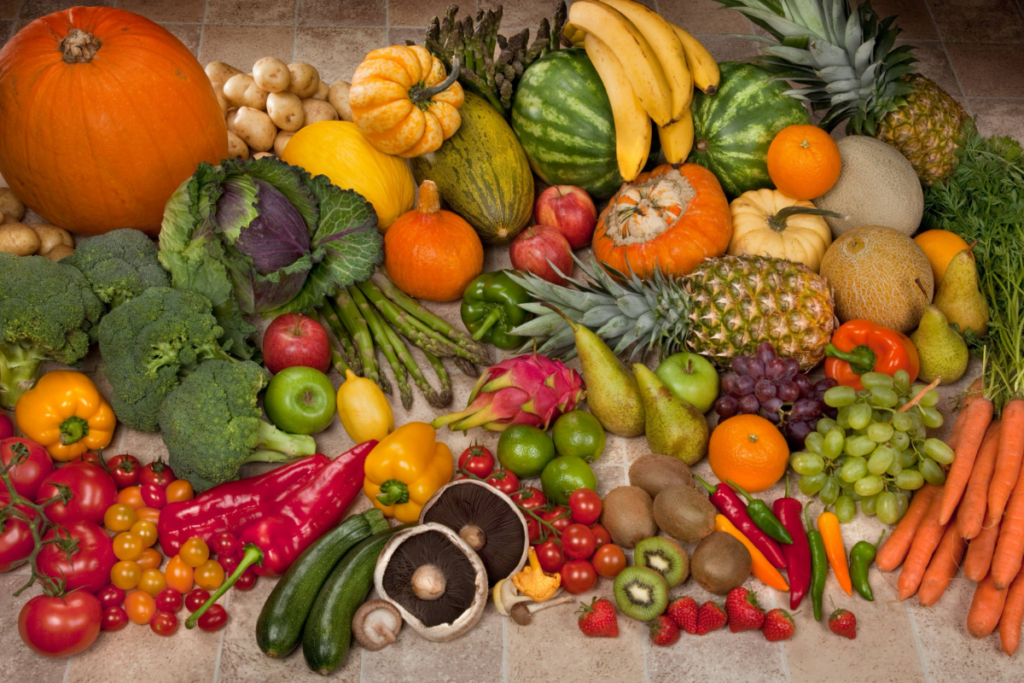
She suggests trying to consume 30 different plant-based foods a week, pointing out that different colors of the same vegetable, such as red, yellow, or green peppers, count separately towards your 30 plant-based foods weekly total.
2. Keep moving
Exercise is essential for overall health, and even light activity like a gentle walk can boost immune function, promote gut microbiome diversity, and help stimulate gut motility, which aids good digestion, says Travers.
“Busy lives can make it hard to find time for exercise, but I like to use downtime to squeeze in some exercise, like doing some squats or wall press-ups while waiting for the kettle to boil or high-knee marching on the spot while my cup of tea brews,” she says.
3. Stay hydrated
Travers suggests drinking six to eight glasses of water daily and says, “Never underestimate the importance of staying hydrated. It will improve just about every bodily process, including digestion, energy levels, and the quality of your sleep.”
She says the color of your urine will show if you’re hydrated enough – a very light straw color means you’re getting it right, but if it’s dark yellow to orange, it may be a sign you need to drink more water.
If you struggle to drink water, you can also consume hydrating foods such as cucumbers, celery, grapefruit, watermelon, strawberries, tomatoes, and radishes.
4. Manage stress
The Love Your Gut survey found that 86% believe stress influences poor gut health, but only 16% manage stress.
Travers explains that stress triggers the production of the stress hormone cortisol, which is thought to disrupt communication pathways between the gut and brain. This can impact blood flow and gut secretions, potentially fostering harmful bacteria and hindering the growth of beneficial ones.
“Although we can’t always control what happens in life, we can choose how we respond to stressful situations by learning stress management techniques like deep breathing, meditation, and mindfulness to lessen the impact on our body and make our gut microbiome more resilient,” she says.
5. Prioritize sleep

Less than half (45%) of respondents prioritize getting at least seven hours of sleep per night, impacting gut health.
“Many of us stay up late,” observes Travers, “but it’s important to remember that beneficial gut bacteria thrive in a well-rested body. Establishing a consistent bedtime routine that allows for seven to nine hours of sleep is a good starting point.”
She suggests avoiding screens before bed, reading a book, and ensuring your bedroom is dark and cool.
6. Consume fermented foods
Travers says fermented foods can support gut health by promoting the growth of good bacteria. “Adding fermented foods to your diet is easier than you might think,” she says. “Dairy products contain live microbes, such as fermented milk drinks, yogurt, sour cream, and cheeses.”

Be aware that fermented foods like sauerkraut and kimchi made with vinegar or pasteurized may not contain live bacteria. “The same applies to pasteurized cheeses, so always check the label,” she says.
7. Get outside with a dog.
Your environment can even impact gut health. Animals, plants, soil, and green spaces all have their microbiomes of beneficial bacteria. When we come into contact with them, beneficial bacteria can adhere to our skin. This can potentially be inhaled and ingested, explains Travers.
“Being in nature can also nurture a healthy gut,” she says. Cuddling your pet, walking in the park, or gardening can improve your gut and overall health.
