
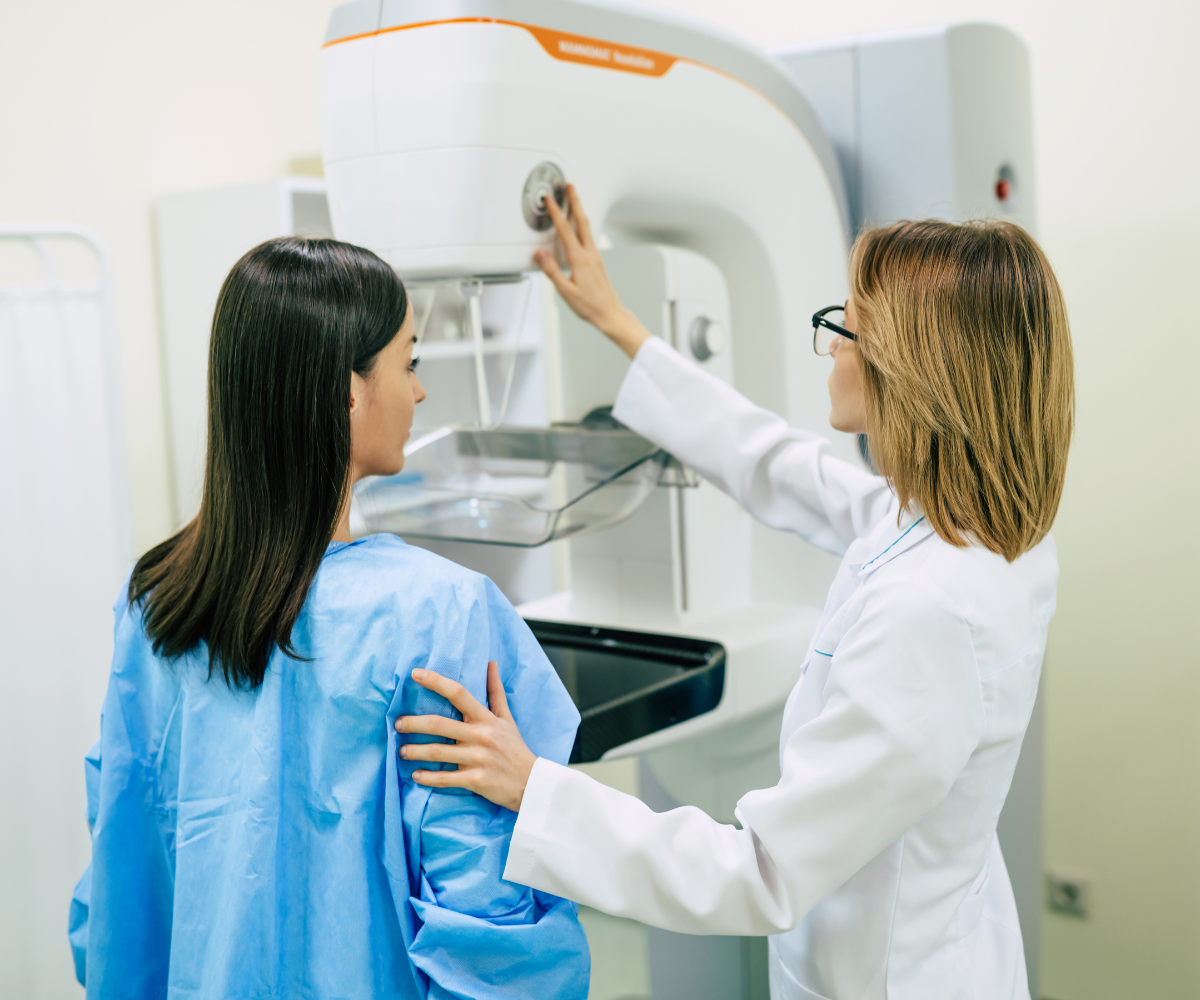
Breast Cancer Awareness Month is an important reminder to prioritize screenings, which are usually quick and stress-free.
According to data analyzed by the American Cancer Society, only 8.59 million breast screening appointments were attended within six months from 2018 to 2022, despite 13.05 million invitations sent to women aged 50 to 74. Health organizations are now urging eligible women to attend their appointments.
The CDC analyzed data indicating that only 8.59 million breast screening appointments were attended within six months between 2018 and 2023, despite 13.05 million invitations sent to women aged 50 to 71.
The U.S. health authorities are now encouraging eligible women to attend their scheduled appointments.
But what happens at a breast screening appointment? And why is it important to attend them?
What is a breast cancer screening?
“A screening is usually done by one or two female mammographers and can pick up breast cancer using a mammogram X-ray before there are any signs and symptoms,” explains Rachel Rawson, lead cancer nurse at virtual cancer clinic Perci Health. “The sooner breast cancer is diagnosed the more effective the treatment can be.”
What happens at the appointment?

Your appointment should last approximately 30 minutes from start to finish.
“You will start by answering a few brief questions about your health and family history. After that, you will be asked to undress your upper body,” explains Lester Barr, consultant breast surgeon and founder of the charity Prevent Breast Cancer. “It’s advisable to wear trousers or a skirt instead of a dress, as this can help you feel less exposed. Additionally, you can request a chaperone if you would like one.”
Your breast imaging specialist will use a mammography machine to capture images of the tissue inside your breasts.
Two X-ray images of each breast are taken: one from the front and one from above. This helps to get a clear picture; the breast tissue is compressed within a mammography machine.
“This may be uncomfortable, but it lasts only a moment while the images are captured.”
He adds that you won’t get your results immediately as two specialists review each picture.
What is the appropriate age to schedule your first screening appointment?
In the U.S., the American Cancer Society recommends that women begin yearly mammograms by age 45. Women aged 40 to 44 can start annual screenings if they choose. At age 55, screenings can switch to every other year. Mammograms are X-ray exams that can detect breast cancer early, often before symptoms appear. Early detection improves treatment options and outcomes, with studies showing that regular screening can reduce the risk of dying from breast cancer. Women must discuss risk factors with their healthcare provider to determine the best screening plan.

However, if you are under 50 and have concerns, you may be able to get a screening earlier.
“If you are worried about your family history risk, talk to your GP,” says Rawson.
Why is it important to attend regular breast cancer screenings?
“Routine mammograms help detect cancers in breast tissue that might not otherwise be found, either because they’re too small to be felt or because they are deep within the breast,” explains Barr. “Finding these cancers before they present symptoms usually means less aggressive treatment and a higher chance of going back to a completely normal life after cancer.”
What happens after your appointment?
“You’ll get a letter in the post which will either tell you you are fine and don’t need to come again for three years, or it might say that you need a repeat screen,” informs Barr. “It’s natural to worry if you get a letter like this, but it doesn’t mean that you have cancer – just that something needs to be double-checked.

“If a mammogram does find a lump, you’ll be referred for more tests which might include a biopsy.”
