

Mindful living is not just something I teach or talk about. It is something I practice, return to, and continue to grow into every day.
For me, mindfulness is a way of coming home to myself. It is how I slow down when life feels busy, how I listen when my body is speaking, and how I reconnect with peace even when the world around me feels uncertain. Through my own journey and through guiding others in Meditation, yoga, and wellness rituals, I have learned that inner peace is not something we have to chase. It is something we learn to recognize within ourselves.
We often think peace will come when everything is perfect — when our schedule clears, when our responsibilities lighten, or when life finally feels calm. But mindful living has taught me that peace can be found right here, in the middle of real life. It can be found in one deep breath, one intentional pause, one quiet moment of awareness.
Mindfulness invites us to live with more presence, compassion, and intention. It reminds us that we do not have to rush through our lives disconnected from ourselves. We can slow down, listen. We can choose to move through the day with a softer heart and a more grounded spirit.
Research and wellness professionals continue to recognize mindfulness as a simple practice that may support stress reduction, focus, and overall well-being.
Understanding Mindful Living,

To me, mindful living is about being fully present with life as it is.
It is not about having a perfect Meditation practice, a perfectly calm mind, or a perfectly peaceful home. Mindfulness is about noticing. Noticing your breath, your thoughts, how your body feels. Noticing when you are moving too fast, carrying too much, or needing a moment to reset.
One thing I often remind myself and those I guide is that mindfulness is not about escaping life. It is about being present for it. The beautiful moments, the uncomfortable moments, the uncertain moments, and the ordinary moments all offer us an opportunity to return to ourselves.
When we live mindfully, we begin to create space between what happens and how we respond. Instead of reacting from stress, fear, or habit, we can pause and choose a response that feels more aligned. That pause is powerful. It is where healing, clarity, and peace begin.
Mindful living also helps us build a deeper relationship with ourselves. We begin to understand what nourishes us, what drains us, what brings us joy, and what asks to be released. We become more honest with ourselves and more compassionate.
And that compassion is such an important part of the practice. Mindfulness is not about judging where we are. It is about meeting ourselves with love exactly where we are.
Practical Tips for Mindful Practices

Mindfulness does not have to be complicated. Some of the most powerful practices are the simplest ones.
One of my favorite ways to return to the present moment is through the breath. Before I begin my day, teach, meditate, or step into a full schedule, I like to pause and take a few intentional breaths. I allow myself to arrive. I ask myself, “How do I want to show up today?” That small question can shift the energy of the entire day.
You can begin with something as simple as placing one hand on your heart and one hand on your belly. Take a slow inhale. Release a full exhale. Let your body know that you are here, that you are listening, and that you are safe in this moment.
Another beautiful practice is creating a mindful morning. Instead of rushing into the day or reaching for your phone right away, give yourself a few quiet moments. Stretch your body. Drink your water or tea slowly. Set an intention. Say a prayer, breathe before the world asks anything of you.
Mindful eating is another way to practice presence. When you eat, slow down enough to truly experience your food. Notice the colors, textures, flavors, and nourishment in front of you. This simple act can become a moment of gratitude and connection.
You can also bring mindfulness into everyday tasks. Washing dishes, walking outside, folding laundry, preparing a meal, or sitting in silence can all become mindful practices when done with presence. The practice is not always about adding more to your life. Sometimes it is about bringing more awareness to what is already there.
Mindful listening is another practice I deeply value. When we truly listen to someone without rushing to respond, fix, or judge, we offer them the gift of our presence. That kind of presence can be healing in itself.
Rituals to Enhance Mindfulness
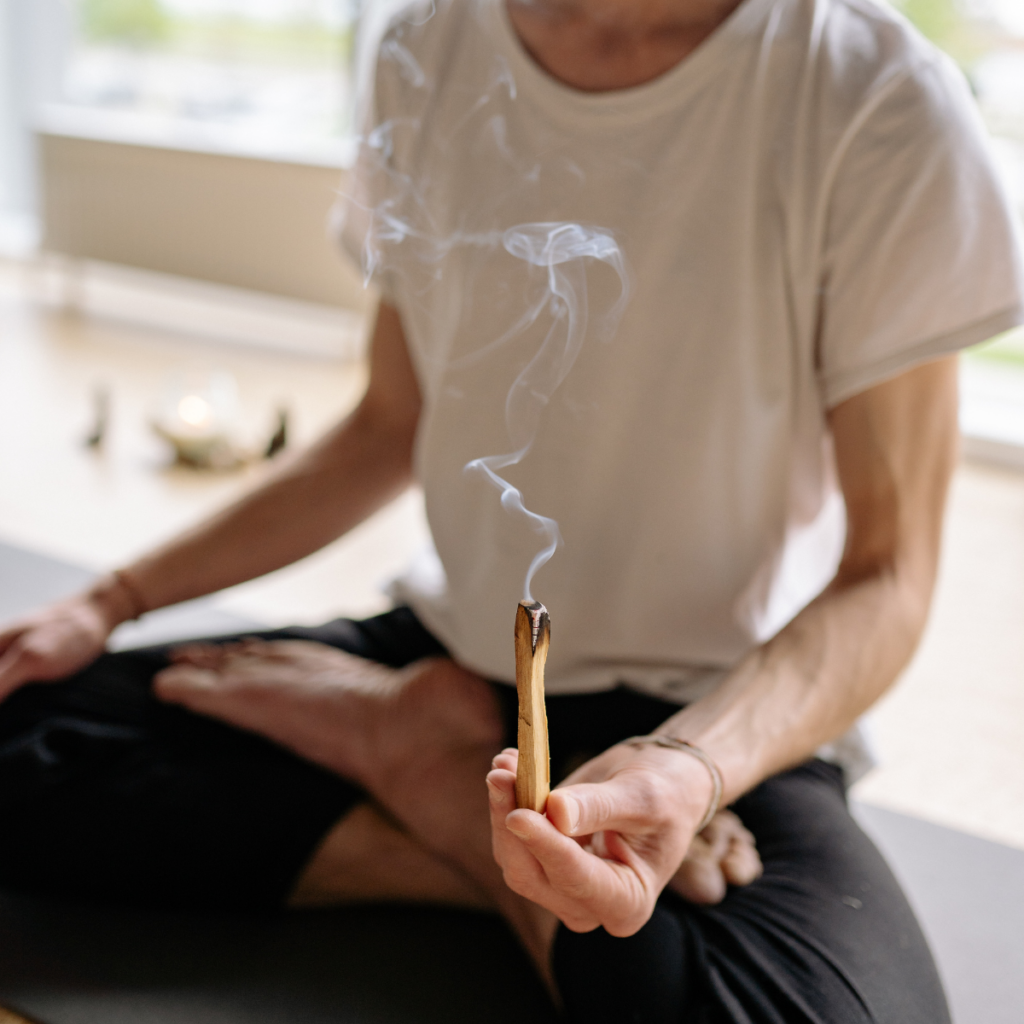
Rituals have become an important part of how I stay grounded. They help turn ordinary moments into sacred ones.
A morning Meditation ritual can be a beautiful way to begin. It does not have to be long. Five minutes of stillness can help you connect with your breath, soften your nervous system, and enter the day with more clarity. Sit comfortably, close your eyes, and notice your breath. When your mind wanders, gently come back. That returning is the practice.
Journaling is another ritual I love because it creates space for reflection. Sometimes we carry emotions, thoughts, and questions that need somewhere to go. Writing allows us to release, process, and listen more deeply to our inner wisdom. You might begin with prompts like, “What am I grateful for today?” “What do I need to release?” or “What is my soul asking for in this season?”
Movement can also be a mindful ritual. Yoga, stretching, walking, or any gentle movement can help us reconnect with the body. When we move with awareness, we are not just exercising. We are listening. We are honoring the body as a sacred home.
Evening rituals can help us close the day with peace. Light a candle. Sip herbal tea. Take a few deep breaths. Reflect on what you are grateful for. Release what you do not need to carry into tomorrow. These small practices can become powerful reminders that you are allowed to rest.
Nature is also one of my greatest teachers of mindfulness. When I spend time outside, I am reminded to slow down. The trees do not rush. The sun does not force. The earth holds steady. Nature invites us to remember our own rhythm and our connection to something greater.
Overcoming Challenges in Mindful Living
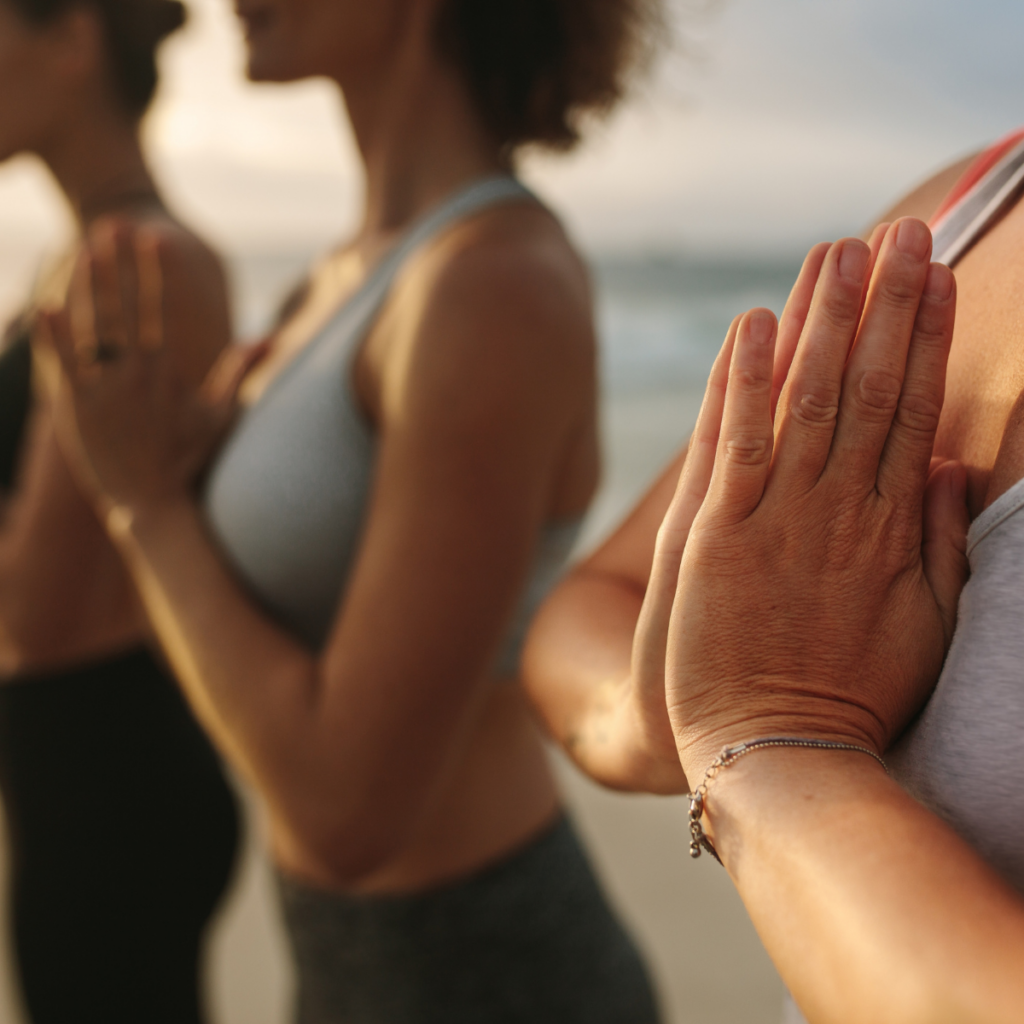
Even though mindful living is beautiful, it is not always easy. I know this from experience.
There are days when the mind feels busy—the seasons when life feels heavy. There are moments when staying present feels challenging. This does not mean you are failing at mindfulness. It means you are human.
One of the biggest misunderstandings about mindfulness is the idea that your mind should be completely quiet. The truth is, thoughts will come. Emotions will rise. Distractions will happen. Mindfulness is not about stopping life from moving through you. It is about learning to observe with kindness.
At its core, mindfulness is the practice of becoming aware of your inner and outer experience without immediately judging or reacting.
Every time you notice that your mind has wandered and you gently return to your breath, you are practicing. When you pause before reacting, you are practicing. When you choose compassion over criticism, you are practicing.
Consistency can also be challenging. Sometimes we begin with strong intentions, only to have life pull us in different directions. I always remind myself that mindfulness is a practice of returning. You can begin again at any moment. You do not have to wait for a new week, a new month, or a perfect time. One breath is enough to begin again.
Another challenge is making space for yourself without guilt. Many of us are used to caring for others, managing responsibilities, and putting our own needs aside. But mindful living teaches us that tending to ourselves is not selfish. It is necessary. When we are grounded, present, and connected, we can show up more fully for everything and everyone we love.
While mindfulness is not a replacement for medical care, research continues to explore how Meditation and mindfulness may support emotional well-being, stress management, and quality of life.
Returning to Inner Peace

What I know to be true is this: inner peace is not the absence of challenges. It is the practice of staying connected to yourself through them.
Mindful living has taught me that peace is already within us. Sometimes it is buried beneath the noise, the pressure, the expectations, and the busyness of daily life. Through breath, awareness, movement, stillness, and compassion, we begin to uncover it again.
My invitation to you is to start small. Take one mindful breath. Create one quiet moment. Listen to your body. Step outside. Place your hand on your heart. Let yourself slow down.
You do not have to become someone new to live mindfully. You only have to return to who you already are beneath the noise.
With each breath, each pause, and each intentional choice, you are creating a life that feels more grounded, more peaceful, and more aligned.
And that is the beauty of mindful living: it brings us back home to ourselves.
Key Takeaways
- Mindful living guides us to be present, compassionate, and intentional in our daily lives.
- We can find peace amid chaos by practicing simple mindfulness techniques such as deep breathing and mindful eating.
- Creating rituals, like morning Meditation and journaling, enhances our mindfulness practices and helps us connect with ourselves.
- Challenges in mindful living are normal; instead of seeking perfection, we should focus on returning to the present moment.
- Ultimately, mindful living is about recognizing the inner peace that already exists within us.
