

From humming to imagining yourself in the future – try these tricks this International Stress Awareness Week.
Everyone experiences stress sometimes; it’s an entirely normal and essential part of being human.
The adrenaline associated with it powers you during job interviews sharpens your focus on tricky tasks and enables you to spot and navigate potentially dangerous situations quickly.
Removing the ‘flight, fight, or freeze’ response can lead to chaos in stressful situations.
Excessive stress can be harmful, and if you don’t know how to manage it, you may experience feelings of anxiety, sadness, and dizziness, along with a lack of confidence. If stress remains unchecked over the long term, it can lead to burnout, overwhelm, and physical and mental exhaustion.
There are many ways to monitor our stress levels and take proactive steps to prevent them from getting overwhelming. If you’re unsure where to begin, we consulted various health and wellness experts for their top stress-reduction strategies that you can practice today.
Stay hydrated
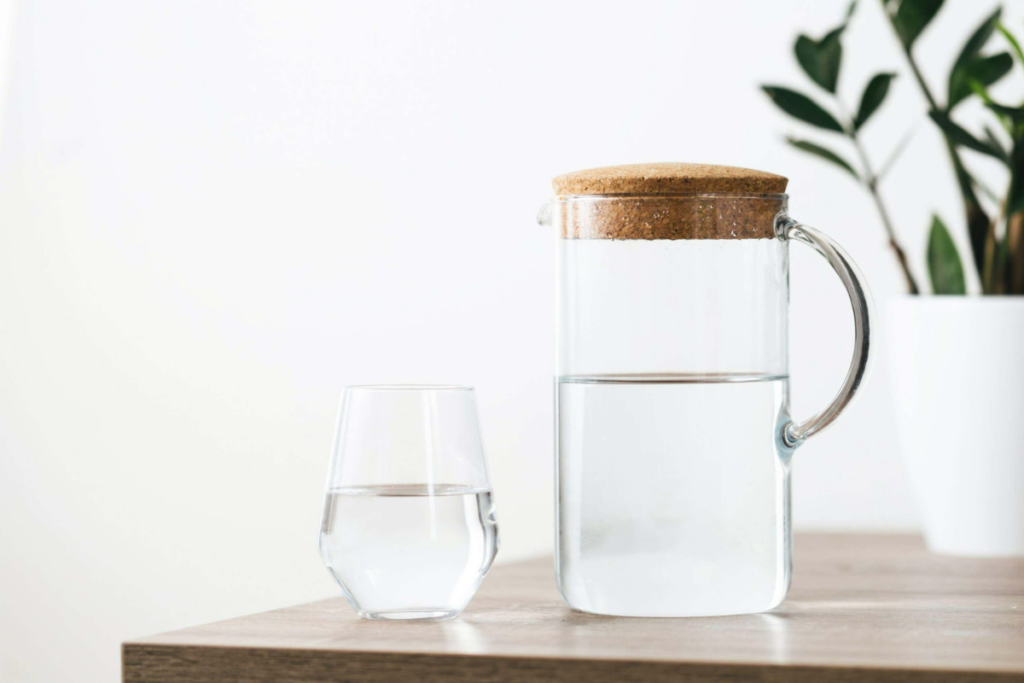
“If something isn’t easy for me, I’m not going to do it. It needs to be obvious and unavoidable,” says Dr. Alexandria Phillips, a Clinical Psychologist at Soke Wimbledon, about her daily habits. “Drinking plenty of water helps me prevent stress headaches. I place my glass of water on top of my phone on my bedside table, so that when I wake up in the morning, I have to pick up the glass to reach for my phone. By doing this, I’ve already accomplished my first glass of water before getting out of bed!”
Breathe in
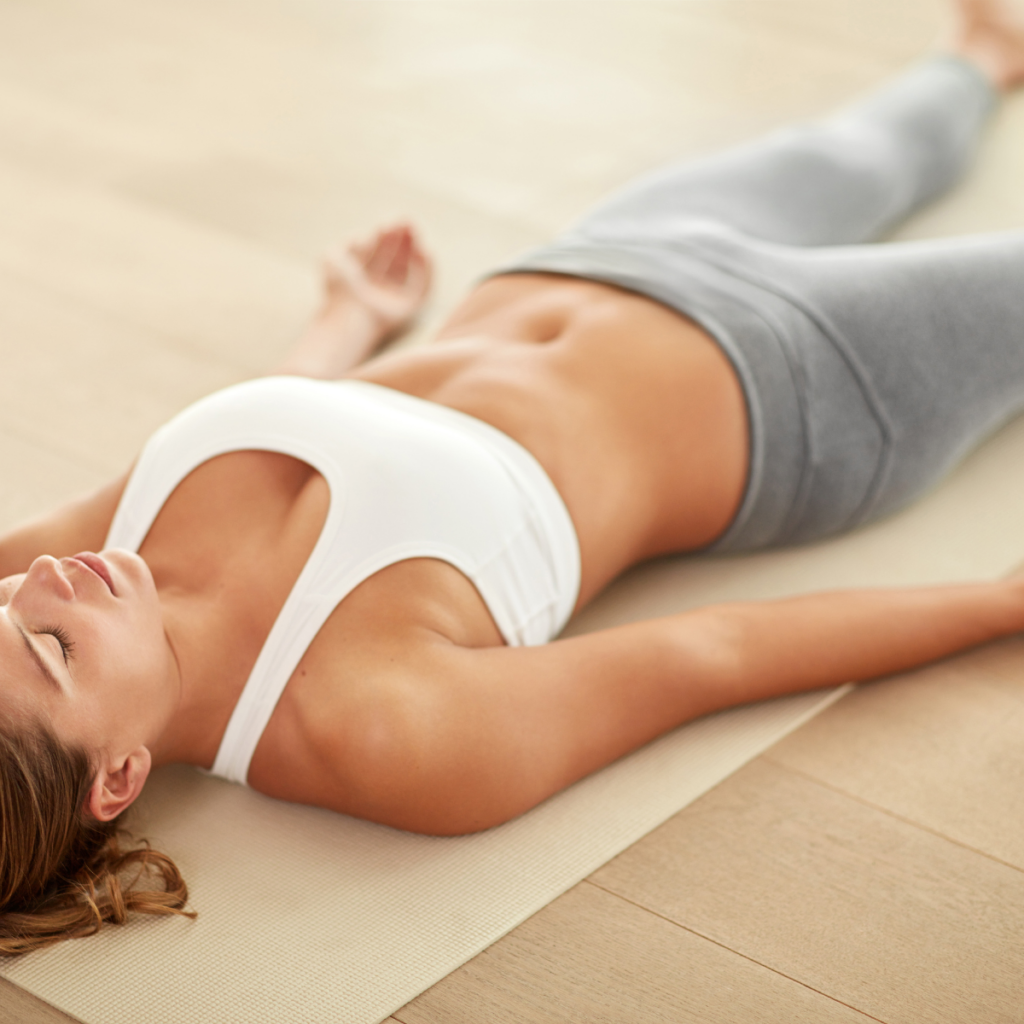
Practitioner psychologist Dr Ravi Gill uses breathwork to manage her stress: “While juggling work and two young children, taking time out for me is a rare thing. So whenever I can I try to take deep breaths to help regulate my emotions and contribute to my wellness – waiting at the traffic lights, waiting for the kettle to boil or the toaster. Deep breathing stimulates the parasympathetic nervous system, which is responsible for promoting calmness and reducing the ‘fight-or-flight’ response.”
Find the fun
“I was very taken by research in Scandinavia that looked at those who were so stressed they were becoming burnt out. They thought that people who experience burnout feel guilt and anxiety when they try to take care of themselves,” says Dr Richard Graham, Consultant Psychiatrist at Soke Wimbledon. “So, my prescription is to make sure that you do something enjoyable, something rejuvenating. For me that might be trawling for a new recipe and really enjoying the discovery of whether it is as good as the pics!”
Use affirmations
Phillips advocates for the power of positive thinking through affirmations. “I’ve begun changing my passwords to reflect my affirmations. Imagine logging into your work computer and entering ‘TakeABreath!’. This will remind you every morning that you have the ability to slow down, take a breath, and that you deserve to take care of yourself.”
Gill uses the I Am app, which sends her a new affirmation every 90 minutes throughout the day. Despite her busy schedule, she takes a moment to reflect and reframe her thoughts. She often incorporates affirmations into her morning routine while brushing her teeth and completing her skincare, using phrases like: “I am strong, I am brave, I am accomplished, I am enough.”
Listen to a beat

It’s incredible how moving to music can improve your mood. Charlie Harrison, a counselor at Nuffield Health, says, “I put on my earphones and play some of my favorite music. I either go for a walk or a run, or I have a little sing and dance around my house—when no one else is home, of course! Music always helps me when I feel stressed or overwhelmed.”
Find your strength
Regular exercise is a clear choice for reducing stress. The NHS recommends that adults engage in 150 minutes of moderate or 75 minutes of vigorous-intensity activity each week. Nutritionist, personal trainer, and wellness coach Rachael Sacerdoti emphasizes the importance of strength training: “This is the most effective method for both my mind and body. I aim for five strength training sessions a week, focusing on progressive overload, which means gradually increasing the intensity to continually challenge myself.”
Find out what best suits your needs.
“Tackling stress can be quite stressful in itself. There is no one fit for all and the key is to find what naturally works for you,” says Dr Aarthi Sinha, GP and wellbeing specialist at churchcrescent.co.uk. “I find exercising helpful, but going to the gym a stressful experience, so I will often do a small workout at home and go for a walk.”
Look ahead
Lauran Grayston, a therapist at Nuffield Health, jumps forward in time in her head when she’s feeling overwhelmed. She says: “If there are particular things causing stress, I love the question: ‘Will this matter in five years, one year, a month’s time?’ It helps to put things into perspective of importance and how long I should spend ruminating or worrying about said stressors.”
Hit the hay
It’s important to prioritize getting enough sleep. Adults generally need seven to nine hours of sleep each night, and not getting enough can lead to increased stress levels. “I set a sleep alarm for 10 PM every night as a reminder to focus on rest,” says Sacerdoti. “Getting adequate sleep is essential for me, especially as I try to balance my fitness goals with running a business and taking care of my family.”
Embrace hot stuff
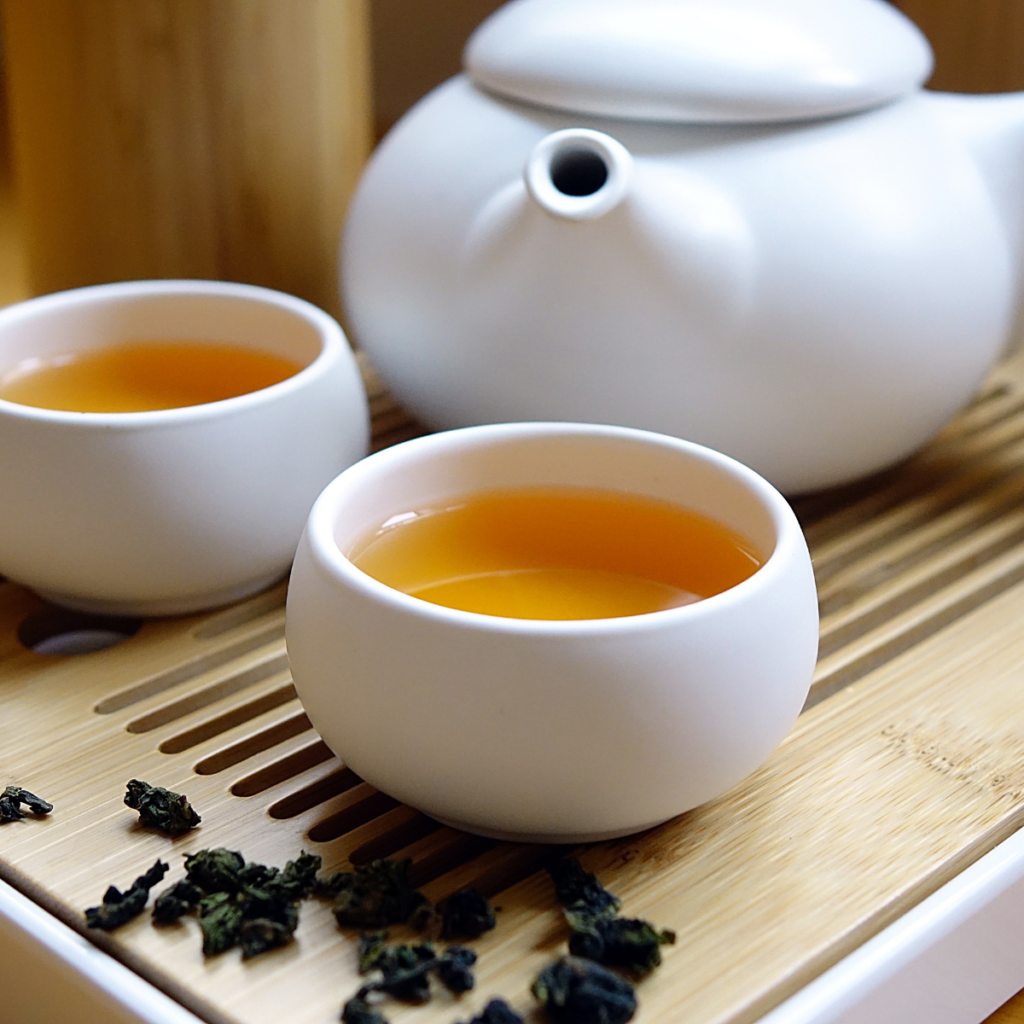
It can be hard to drift off if your stress tends to crash over you before bed, though. “I have two evening rituals I swear by,” says Rebecca Dadoun, Pilates instructor and founder of Pilates Prescription. “One is a bath and the other is a hot calming bedtime tea. I always think back to when my kids were babies and we would set up the perfect bedtime routine of a bottle, bath, and bed; so why can’t we have the same?”
Have a hum
You can do this exercise anywhere, even while on the bus. Phoebe Liebling, a nutritional therapist and founder of Liebling Health, recommends humming daily. She suggests, “Take a deep breath in through your nose, hold it, then hum with your mouth closed as deliberately as possible for five to six minutes. The vibrations in your head and neck stimulate the vagus nerve, which activates the calming parasympathetic nervous system.”
Match and mirror
For many people, daily social situations can trigger stress. Jessen James, a former psychiatric nurse and human behavior expert at jessenjames.com, has a nifty trick to “diffuse stress and tension and make interactions feel smoother.”
He says: “Matching and mirroring involves subtly aligning your body language with the person you’re speaking to,” he explains. “By matching someone’s posture, gestures, or tone, you create a sense of connection. This not only makes the conversation feel less stressful but also increases the likelihood of being heard and understood, and when you feel heard and understood, you feel more confident. The more confident you feel, stress and anxiety levels are dramatically reduced.”
Practice gratitude
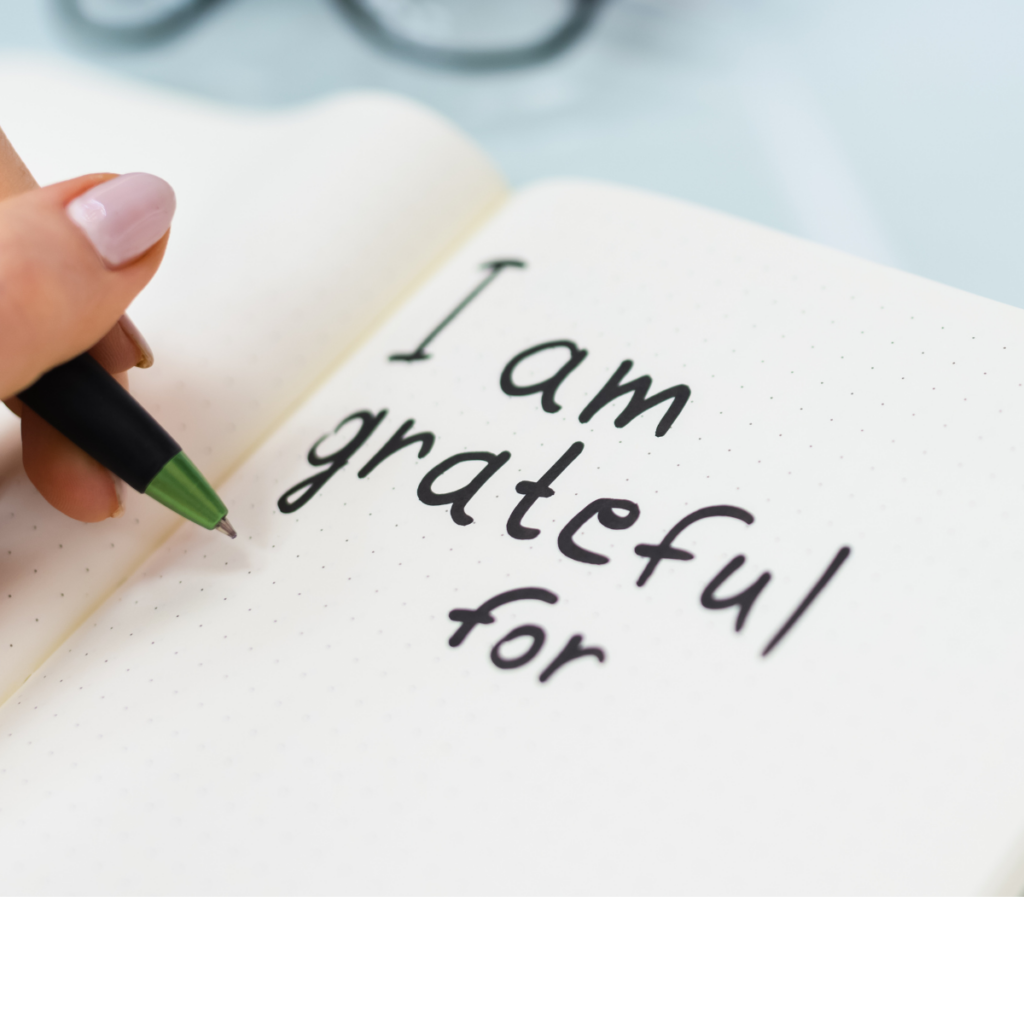
Dadoun uses ‘gratitude check-ins’ “as a way of building up my psychological immune system.” “Just noting three things in your head, out loud with your kids or written down, can be so uplifting and humbling,” she says. “[For instance] my body works (stretch your arms and legs), I can breathe freely (take a nice big breath with this one) and my family, who I love (hug them), reminds me that whatever stress I am feeling. I am and will be OK!”
