
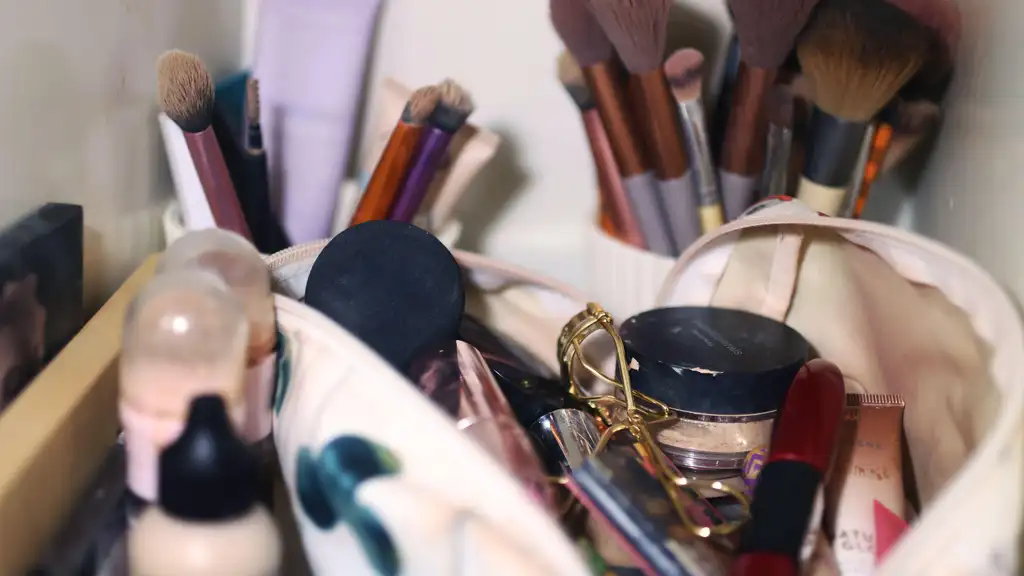
It’s time to clean your makeup bag. Here’s how to do it:
The party season means that our makeup bags are likely to be used more than usual.
While you may know to check the expiration dates on your products, it is less common knowledge to know how often to clean them.
Beauty experts share what is affecting your make-up and how to eliminate it.
What is hiding in your makeup bag?
Your cosmetic kit is a perfect breeding ground for bacteria; from spilled products to oily brushes, a variety of germs could be lurking in your makeup.
“An unkempt make-up bag can harbor bacteria like Staphylococcus and E. coli, as well as mold,” says beauty expert and deputy editor of Beauty Answers, Katie Walker.
Factors like bacteria and excess oil can cause skin issues such as acne, irritation, or infections. Regular cleansing protects your skin and ensures that your products work effectively.
Keeping your cosmetics bag in damp areas, like under the sink or near the shower, can make matters worse.
“The materials used in a make-up bag can attract dirt and bacteria,” says Hayley Walker, resident make-up artist at Justmylook. “Regular sanitizing is essential to prevent this and protect yourself from harmful bacteria.”
How often should you clean your products?
Experts recommend frequent quick cleaning to eliminate germs effectively.
“If you use a makeup bag regularly, consider cleaning it every two weeks,” advises Katie. “Regular maintenance helps prevent bacteria and dirt from accumulating and transferring to your skin.”
Using a weekly spritz of antibacterial spray will keep the interior of your beauty bag hygienic.
How to clean your make-up
Some types of makeup are more complex and need to be cleaned more often.
Gently wipe powder products with a tissue or cotton pad sprayed with isopropyl alcohol to eliminate bacteria safely.
Creams and liquids that build up around the pump nozzles require additional cleaning.
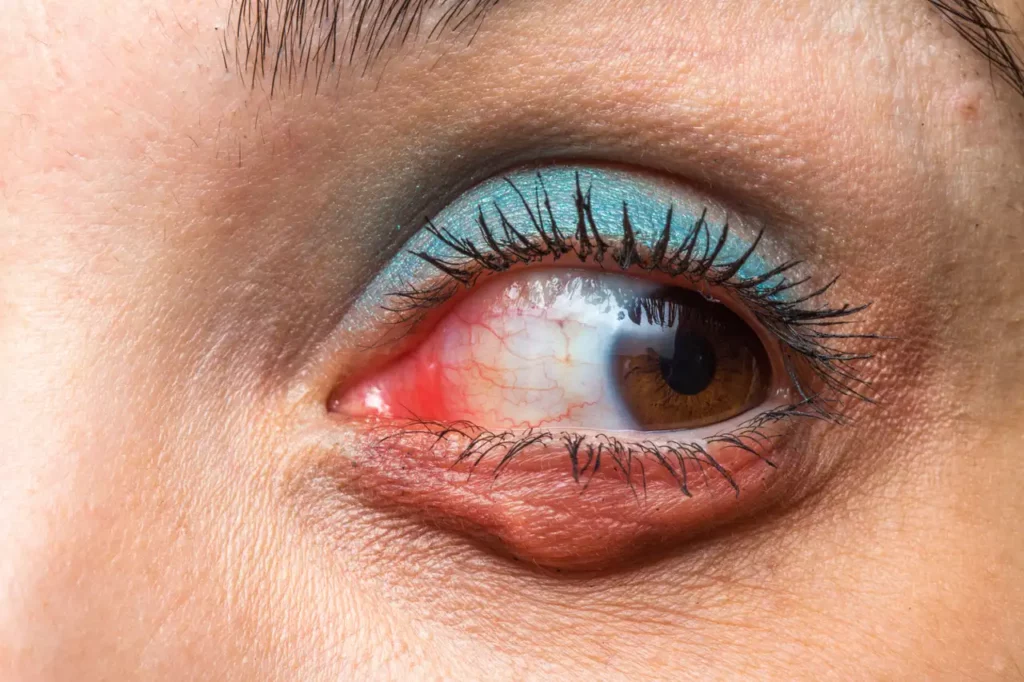
“Eye products, particularly mascara and eyeliner, pose the highest risk of bacterial contamination because they come into direct contact with the eyes,” Hayley explains. “This increases the chances of eye infections and related issues like conjunctivitis.”
Katie recommends sharpening pencils before each use to remove the outer layer that may harbor bacteria.
“Household items like a mixture of warm water and a small amount of white vinegar can be effective for cleaning,” she adds. “However, it’s important to use cosmetic-safe alcohol for proper disinfection to ensure maximum hygiene.”Mix warm water with a little white vinegar for effective household cleaning, according to experts.. “But it’s crucial to use cosmetic-safe alcohol for effective disinfection to guarantee maximum hygiene.”
When cleaning your sponge, soak it in warm water mixed with a mild cleanser and rinse until the water runs clear.
“For a more thorough clean, you can microwave a damp sponge for 30 seconds to kill bacteria, provided it’s microwave-safe,” Katie continues.
When it comes to brushes, all you need is some reliable shampoo. “Swirl the bristles in the solution before rinsing them under lukewarm water,” she advises. “Once clean, reshape the bristles and let the brushes air dry with the bristles facing downward to prevent water from damaging the glue in the ferrule.”
Their lack of hygiene indicates they’re past the point of no return for specific products.
Katie recommends replacing tools that are discolored, have unpleasant odors, or feel stiff after cleaning. If products have an odd smell or change in color or texture, avoid using them to prevent future costly problems.
