
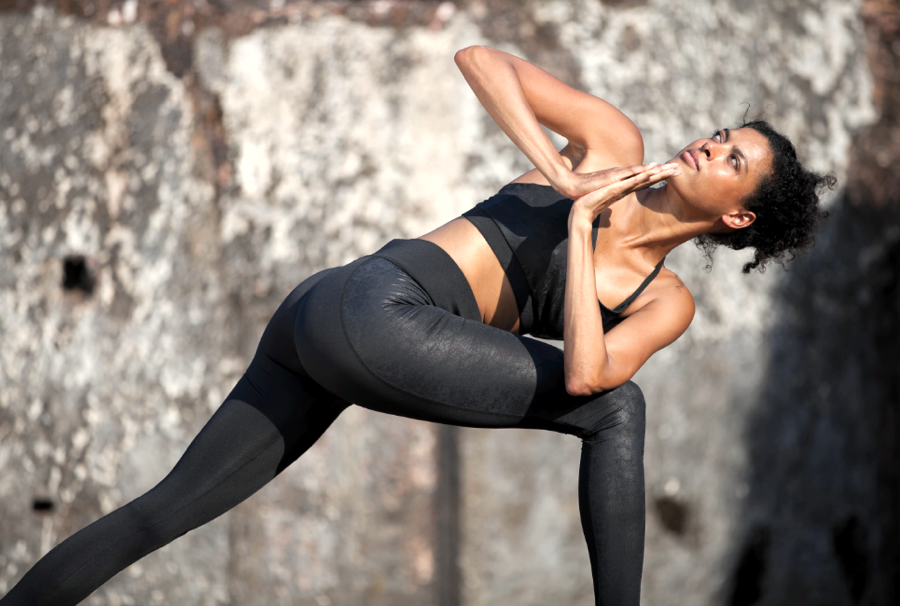
Yoga does not have to mean attending a long class, mastering advanced poses, or changing your entire schedule. How to Integrate Yoga Into Your Daily Routine: A Beginner’s Guide starts with understanding that a meaningful practice can begin with a few quiet minutes, a small space, and the willingness to meet your body as it is today.
After more than 35 years of practicing yoga, I have learned that consistency matters more than intensity. Some days, my practice is strong and flowing. On other days, it may be a few stretches, intentional breathing, or a moment of stillness. All of it counts.
The purpose of a daily yoga practice is not to perform. It is to create a regular opportunity to return to your body, your breath, and yourself.
Understanding the Benefits of Yoga
Yoga brings together physical postures, breath awareness, concentration, and often Meditation. This combination is one reason the practice can support both physical and emotional well-being.
Research reviewed by the National Center for Complementary and Integrative Health suggests that yoga may help people manage stress and may support balance, sleep, mental and emotional health, and healthy habits. The evidence is stronger for some benefits and health conditions than for others, so yoga should be viewed as a supportive wellness practice rather than a cure-all.
Physically, a regular practice can help you develop:
- Flexibility and mobility
- Strength and stability
- Balance and coordination
- Greater body awareness
- More ease in everyday movement
In one controlled study involving older adults, three months of yoga were associated with improvements in spinal flexibility, leg and back strength, hand-grip strength, and quality of life. The researchers also noted that larger studies are still needed.
Yoga may also help us slow down and notice what is happening internally. In a systematic review of 12 studies involving healthy adults, yoga-based practices showed potential for reducing perceived stress, although the practices and study designs varied.
This does not mean every yoga session will immediately make you feel peaceful. Some days, the mind may remain busy, and the body may feel restless. The practice is simply an invitation to stay present with what is here.
Starting a Daily Yoga Practice
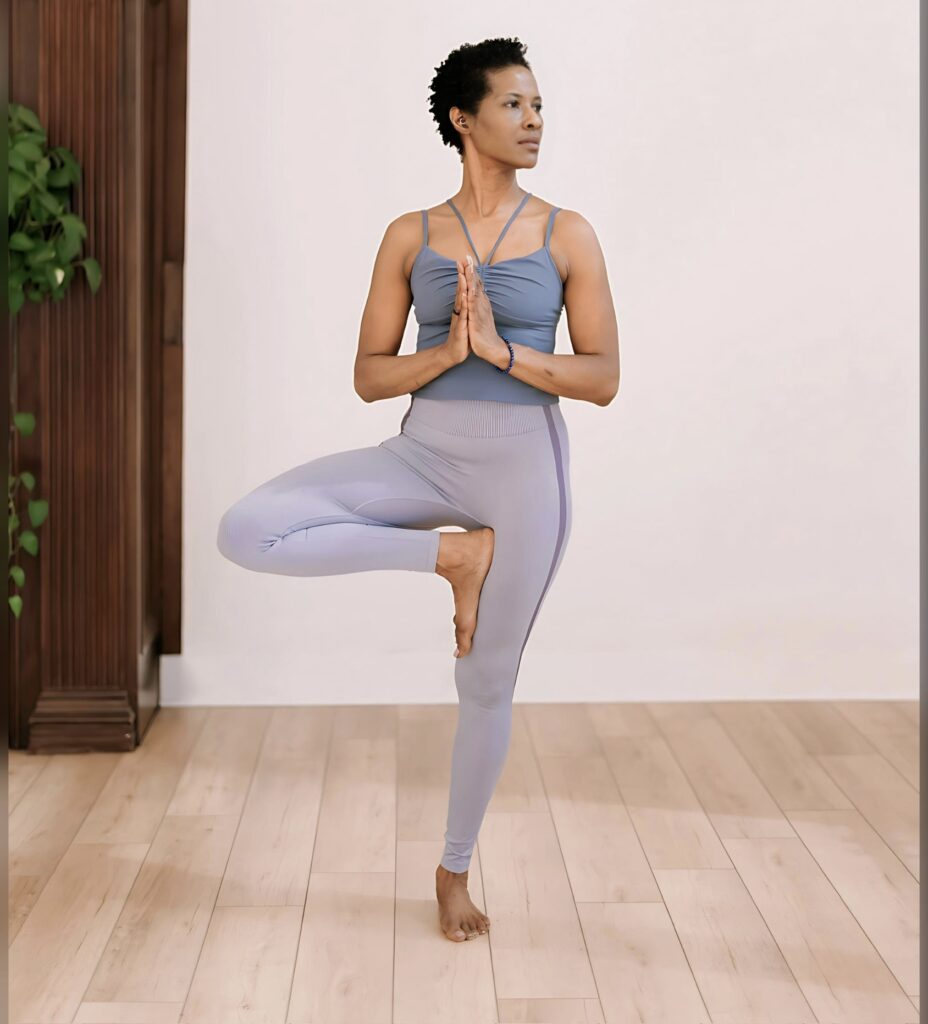
The easiest way to begin is to make your practice small enough to repeat.
You do not need to start with an hour. Begin with five to ten minutes. Once the practice becomes part of your rhythm, you can gradually make it longer.
Choose a realistic time.
Consider when you are most likely to have a few uninterrupted minutes.
A morning practice may help you begin the day feeling grounded. A midday practice can offer a reset between responsibilities. An evening practice may help you release some of the physical and mental tension accumulated throughout the day.
The best time is not the time that sounds most disciplined. It is the time you can consistently return to.
Try connecting yoga to something you already do:
- After brushing your teeth
- Before your morning coffee or tea
- After closing your computer
- Before taking an evening shower
- Just before getting into bed
This helps the practice become part of your existing life rather than another obligation.
Create a supportive space.
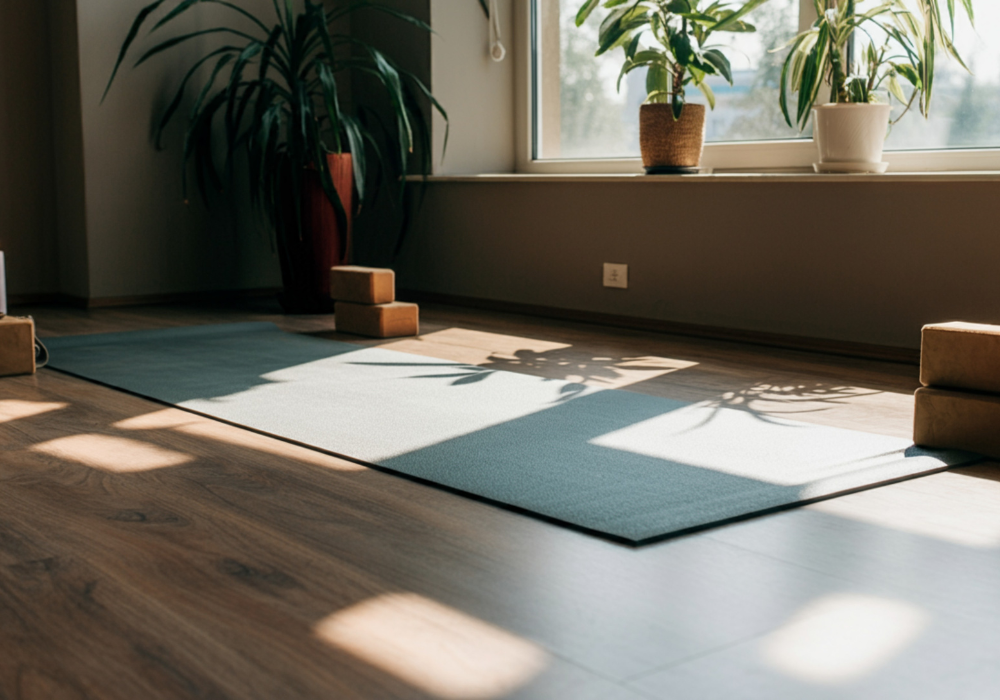
You do not need a dedicated yoga room. A clear area large enough for a mat is enough.
Keep your space simple and inviting. You might include:
- A yoga mat
- One or two blocks
- A folded blanket
- A strap or towel
- A cushion for sitting
- Soft lighting or a candle, when safe
Keeping your mat visible can also serve as a gentle reminder. The space does not need to be perfect. It only needs to feel accessible.
Begin with a simple sequence.
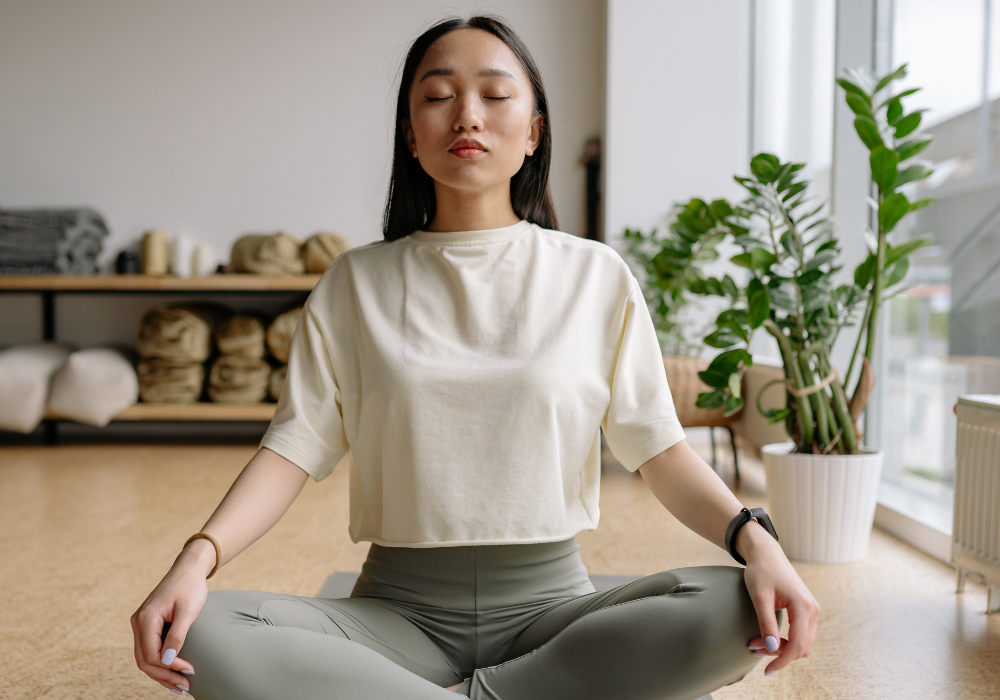
A beginner-friendly daily practice might include:
- Comfortable seated breathing for one minute
- Cat–Cow to mobilize the spine
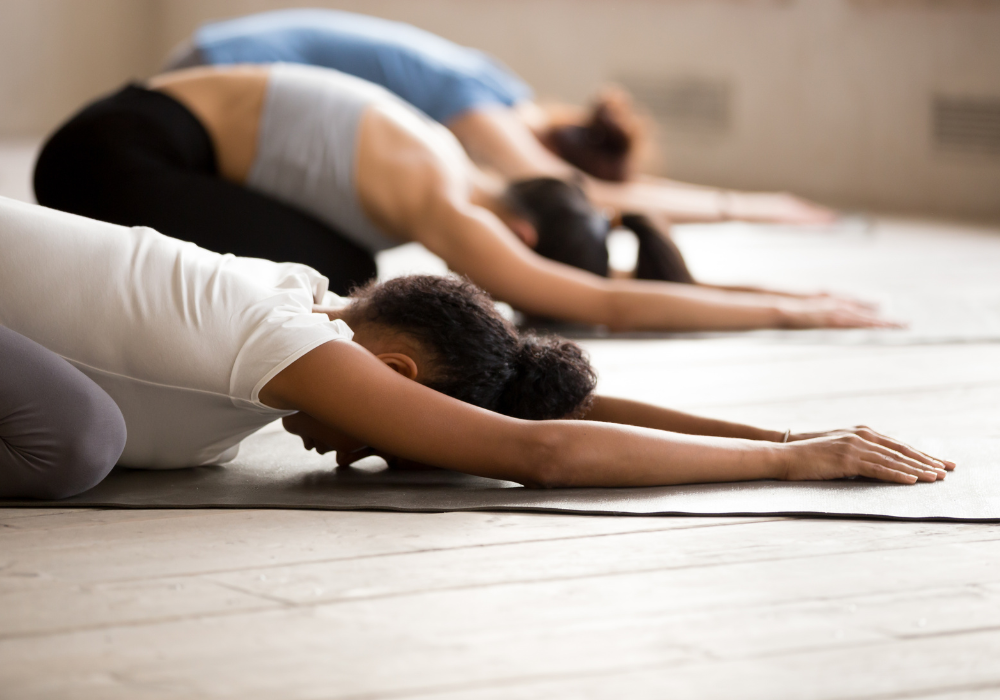
- Child’s Pose for grounding and rest
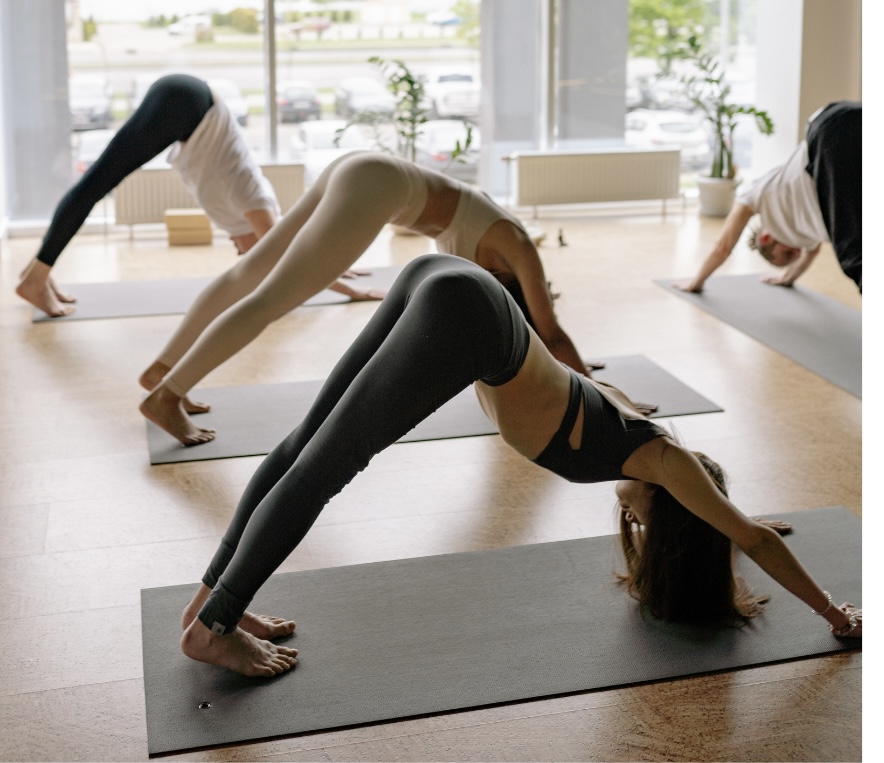
- Downward-Facing Dog or a supported variation
- Low Lunge on each side
- Mountain Pose to establish alignment
- Warrior II on each side
- A gentle forward fold
- A brief rest in Savasana
Move slowly and allow the breath to guide the pace. You do not need to complete ePose pose every day. Choose what your body needs.
A Simple Five-Minute Practice
On especially busy days, try this gentle reset:
Arrive: Get comfortable and notice your natural breath.
Move: Ease into Cat–Cow or a few shoulder rolls.
Ground: Rest in Child’s Pose or stand steadily in Mountain Pose.
Strengthen: Hold Warrior II or Chair Pose for a few breaths.
Return: Place a hand over your heart and notice how you feel.
Five intentional minutes can be more valuable than waiting for the perfect day to complete a full practice.
Incorporating Mindfulness Into Yoga
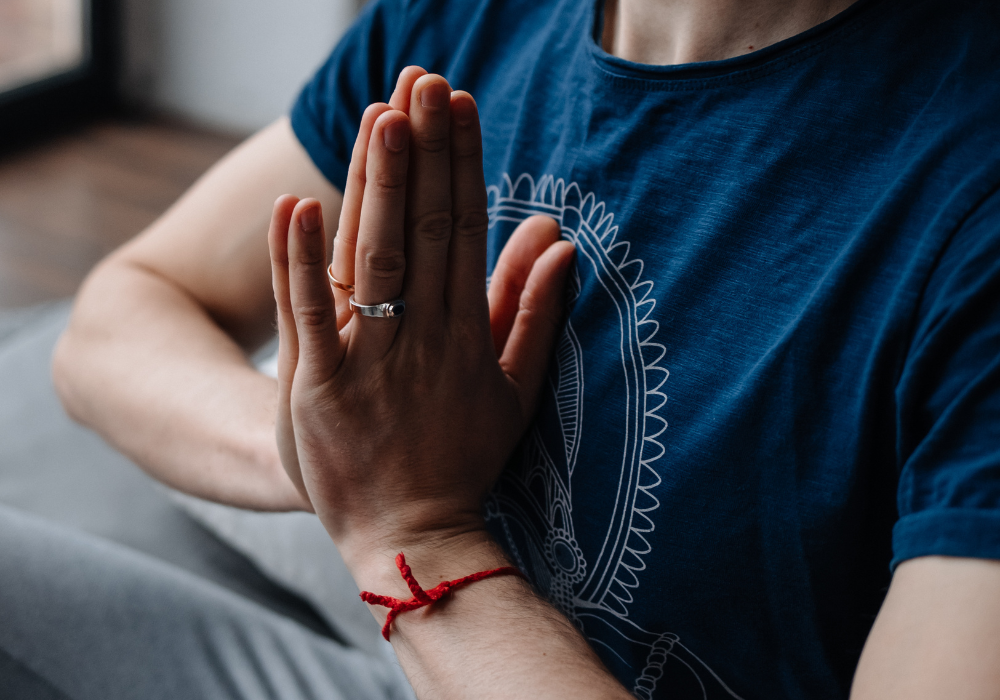
Yoga becomes more than physical exercise when we bring awareness to the experience.
Mindfulness means noticing the present moment with less judgment. During yoga, this can include observing your breath, physical sensations, thoughts, energy, and emotional state.
Instead of asking, “How does this pose look?” try asking:
- How does this feel in my body?
- Am I holding my breath?
- Can I soften unnecessary tension?
- Do I need more support?
- What would allow me to remain present?
This shift moves the practice away from performance and toward relationship.
Use the breath as an anchor
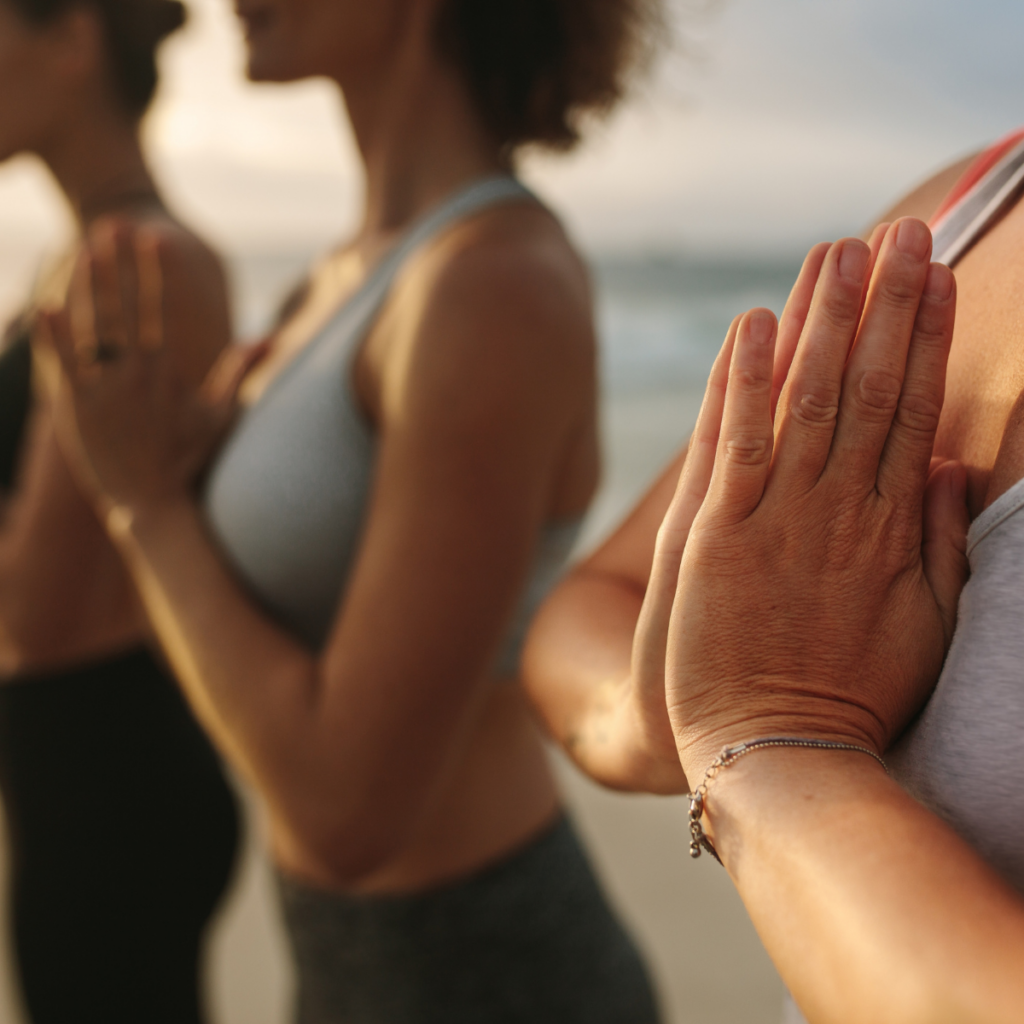
Your breath can help you remain connected to the present.
Notice where you feel it most clearly. It may be the movement of the ribs, the expansion of the belly, or the sensation of air passing through the nostrils.
You do not need to force deep breathing. Begin by observing your natural breath. As the body settles, allow the inhale and exhale to become smoother.
When your attention wanders, gently return to the breath. Wandering is not failure. Returning is the practice.
Those who would like to explore stillness more deeply may also enjoy my guide to beginning a Meditation practice without overthinking it.
Notice sensations without competing
Yoga is not a competition with the person beside you, an image online, or a former version of yourself.
Sensations can offer useful information. A gentle stretch, muscular effort, or mild challenge may be part of the practice. Sharp pain, numbness, pinching, or joint pain is a signal to stop or modify your activity.
A qualified instructor can help you find variations that match your body and experience. The NCCIH notes that yoga is generally considered safe for healthy people when practiced appropriately, while also acknowledging that injuries can occur and that guidance from a qualified teacher can help reduce risk.
Overcoming Common Barriers to Yoga

“I do not have enough time.”
Reduce the length of the practice rather than abandon it.
Three Sun Salutations, five minutes of stretching, or several conscious breaths can maintain the connection. A short practice is still a practice.
“I am not flexible.”
Flexibility is not a requirement for beginning yoga. It may develop gradually through regular movement, but it is only one aspect of the practice.
Yoga also develops strength, balance, concentration, coordination, and awareness. You do not need to touch your toes to benefit.
“I do not know what to do.”
Choose one short sequence and repeat it for a week. Familiarity can remove the pressure of deciding what to practice each day.
You might also attend a beginner-friendly class or follow a trusted instructor who clearly explains alignment and modifications.
“I lose motivation.”
Motivation naturally rises and falls. Instead of depending on motivation, create a ritual.
Set out your mat the evening before. Choose the same general practice time. Keep the routine short enough that starting does not feel overwhelming.
Track consistency rather than achievement. A simple check mark on the calendar can remind you that you are building a relationship with the practice.
“I am worried that I cannot keep up.”
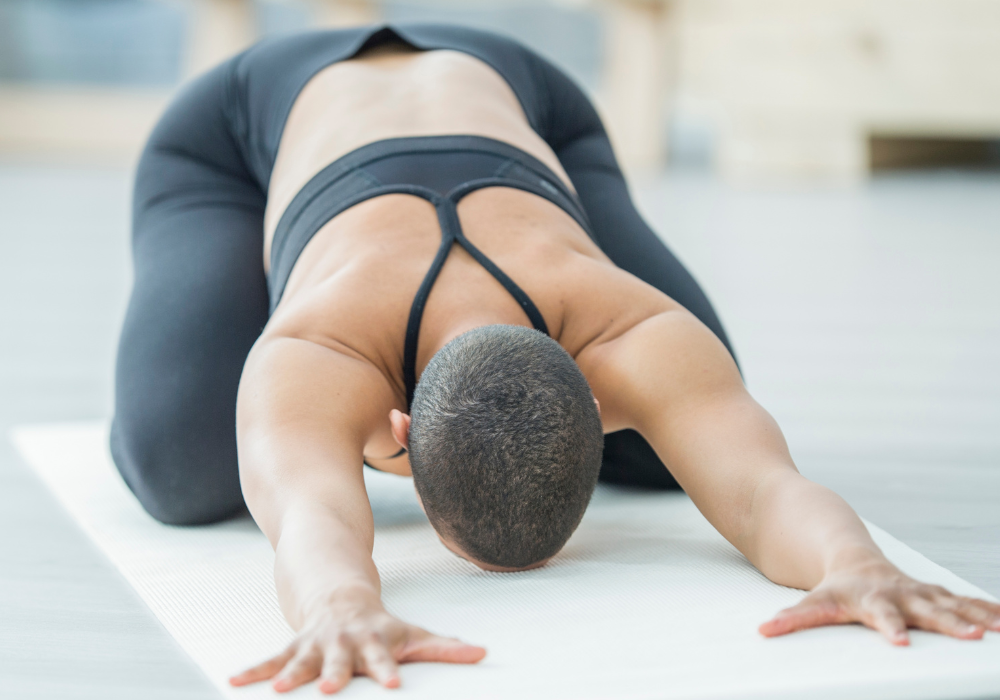
A supportive yoga class should allow room for rest, modification, and individual pacing.
You always have permission to pause. Child’s pose, seated breathing, or lying down can be part of the practice—not a sign that you have failed.
The goal is not to keep up. The goal is to stay connected.
Let Your Practice Change With You
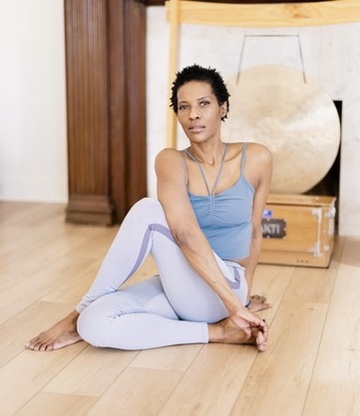
Your yoga practice will not look the same every day or throughout every season of life.
Some days may call for movement and strength. Others may call for support, stillness, and rest. Adapting your practice is not a lack of discipline. It is a form of awareness.
Yoga teaches us to listen before we act. Over time, this listening can extend beyond the mat and influence how we work, rest, respond, and care for ourselves.
Start with the body you have, the time you have, and the space available to you.
Roll out your mat. Take one breath. Begin there.
Ready to continue the practice? Explore Meditation with Michelle for live, heart-centered guidance designed to support calm, presence, and nervous-system regulation.
Yoga does not ask you to arrive already flexible, peaceful, or prepared. It simply invites you to arrive.
Key Takeaways
- Yoga can start with just a few quiet minutes and does not require advanced poses or lengthy classes.
- Regular practice boosts flexibility, strength, and emotional well-being, while mindfulness enhances the yoga experience.
- To integrate yoga into your daily routine, begin with small sessions and connect your practice to existing habits.
- Create a supportive space for yoga that feels accessible, and focus on your body’s needs rather than competition.
- Overcome common barriers like time and motivation by starting small and tracking consistency, allowing your practice to adapt with you.
