

In a world that often rewards speed, productivity, and constant availability, self-care can easily become another item on the to-do list. We may think of it as something we squeeze in when we are exhausted, overwhelmed, or already running on empty. But creating mindful self-care rituals invites us into a different relationship with ourselves.
Mindful self-care is not about escaping life; it is about returning to yourself with presence, compassion, and intention. It is the practice of listening deeply to what your body, mind, heart, and spirit need, then creating simple rituals that help you feel nourished, grounded, and whole. If you are new to Meditation, you may also enjoy exploring how to start a Meditation practice as a gentle foundation for this work.
Your personal rituals do not need to be complicated, expensive, or time-consuming. They only need to be meaningful: a few conscious breaths before starting your day, a cup of tea enjoyed in silence, a walk without your phone, or a few moments of gratitude before sleep can become powerful anchors of peace.
This guide will help you understand mindful self-care and create personal rituals that support your well-being in a sustainable, soulful way.
What Is Mindful Self-Care?

Mindful self-care is the intentional practice of caring for yourself with awareness. It combines the nurturing quality of self-care with the present-moment awareness of mindfulness. The American Psychological Association describes mindfulness as awareness of internal states and surroundings, which can help people observe thoughts, emotions, and experiences with greater clarity:
Traditional self-care is often focused on what we do: taking a bath, booking a massage, exercising, journaling, or resting. Mindful self-care focuses not only on the action, but on the quality of attention we bring to it.
For example, drinking tea can be a rushed habit or a mindful ritual. The difference is presence. When you slow down, feel the warmth of the cup, notice the aroma, and allow yourself to be with the experience, the ordinary becomes restorative. For more simple practices, Mayo Clinic offers helpful examples of mindfulness exercises that can be woven into everyday life:
Mindful self-care asks:
- What do I truly need right now?
- Am I caring for myself with kindness or pressure?
- Is this practice nourishing me or numbing me?
- How can I bring more presence into this moment?
At its heart, mindful self-care is an act of self-respect. It reminds you that your well-being matters, not only when you are struggling, but every day.
Why Personal Rituals Matter

Rituals give rhythm and meaning to daily life. Unlike routines, which can sometimes feel automatic, rituals are infused with intention. A routine says, “I have to do this.” A ritual says, “I am choosing to be present for this.”
Personal rituals can help you:
- Begin and end the day with clarity
- Reduce stress and emotional overwhelm
- Create a sense of stability during change
- Reconnect with your body and breath
- Strengthen your spiritual or inner life
- Build a kinder relationship with yourself
The power of ritual lies not in perfection but in repetition with presence. When practiced consistently, even small rituals become sacred reminders to return home to yourself.
Step 1: Begin with Self-Listening
Before creating any self-care ritual, pause and listen. Many people choose self-care practices based on what looks good online or what others recommend. While inspiration can be helpful, your most supportive rituals will come from your own inner needs.
Take a few quiet moments and ask yourself:
- Where do I feel depleted?
- What part of me needs more care: body, mind, heart, or spirit?
- What time of day feels most stressful or disconnected?
- What helps me feel grounded, peaceful, or alive?
- What am I craving that is not a distraction, but a true need?
You may notice that your body needs rest, your mind needs quiet, your heart needs expression, or your spirit needs connection. Let these answers guide your rituals.
A simple self-listening practice:
Place one hand on your heart and one hand on your belly. Close your eyes if comfortable. Take three slow breaths. Ask inwardly, “What do I need today?” Listen without forcing an answer. Whatever arises, receive it with compassion.
Step 2: Choose Your Ritual Anchor

A ritual anchor is the moment in your day where your self-care practice naturally belongs. Choosing an anchor helps your ritual become easier to remember and sustain.
Common ritual anchors include:
- Upon waking
- Before checking your phone
- After brushing your teeth
- Before meals
- During a work break
- After returning home
- Before bed
Start with one anchor. It is better to practice one simple ritual consistently than to create an elaborate plan that feels overwhelming. If breathwork feels like the easiest place to begin, try pairing this article with simple breathing exercises for stress relief.
For example:
- After waking, I will take five mindful breaths before getting out of bed.
- Before lunch, I will pause and offer gratitude.
- Before sleep, I will write down one thing I am releasing and one thing I am thankful for.
The anchor becomes a gentle doorway into presence.
Step 3: Create Morning Rituals for Grounding

How you begin your morning can shape the energy of your day. A mindful morning ritual does not require waking up hours earlier. Even three to five minutes can make a meaningful difference.
Try one of these morning rituals:
Mindful Breathing
Before reaching for your phone, sit or lie still. Inhale slowly. Exhale completely. Let your breath remind you that you do not have to rush into the day. Repeat for five to ten breaths.
Intention Setting
Ask yourself, “How do I want to show up today?” Choose one word, such as calm, trust, patience, courage, joy, or compassion. Let this word become your inner guide.
Gentle Movement
Stretch your arms overhead, roll your shoulders, or move through a few gentle yoga postures. Focus less on performance and more on feeling your body awaken. A gentle yoga practice can be a beautiful way to turn movement into mindful self-care.
Gratitude Pause
Name three things you are grateful for before the day begins. They can be simple: your breath, your home, a loved one, the sunlight, or another opportunity to begin again.
A morning ritual can be as simple as saying: “Today, I meet myself with kindness.”
Step 4: Create Midday Rituals for Resetting
The middle of the day is often when stress builds. A mindful self-care ritual can help you pause, reset your nervous system, and return to your responsibilities with more clarity. Research-based resources from NIH also discuss mindfulness as a supportive practice for health and emotional well-being:
Try one of these midday rituals:
The Three-Breath Reset
Stop what you are doing. Relax your shoulders. Take three conscious breaths. With each exhale, soften your body and release unnecessary tension.
Mindful Eating
Before your first bite, pause. Notice the colors, textures, and aroma of your food. Offer gratitude for the nourishment, then eat the first few bites slowly and without distraction. This is mindful eating.
Step Outside
If possible, step outdoors for a few minutes. Feel your feet on the ground. Notice the sky. Let nature remind you that life is larger than the thoughts moving through your mind.
Digital Pause
Choose a short period of time to step away from screens. Even five screen-free minutes can refresh your mind and reduce mental clutter.
Midday rituals are not about doing more. They are about interrupting autopilot and returning to presence.
Step 5: Create Evening Rituals for Release
Evening Rituals
Evening rituals help you transition from doing to being. They offer your body and mind a signal that it is safe to slow down.
Try one of these evening rituals:
Journaling for Release
Write down anything you are carrying from the day. Then ask, “What can I release for tonight?” You may choose to symbolically close the journal as a way of setting the day down.
Restorative Breath
Try a longer exhale breath. Inhale for a count of four and exhale for a count of six. Repeat for several rounds, allowing the exhale to soften your nervous system. You can also explore guided Meditation classes if you prefer support and structure as you build consistency.
Sacred Cleanse
As you wash your face, shower, or bathe, imagine the day’s stress being gently washed away. Bring intention to the act of cleansing.
Gratitude and Compassion
Before bed, name one thing you appreciate about the day and one way you showed up with strength, kindness, or courage. This practice helps the mind rest in enoughness instead of self-criticism.
An evening ritual can be a loving message to your body: “You are allowed to rest now.”
Step 6: Care for the Whole Self
Mindful self-care becomes more balanced when it includes all dimensions of your being.
Care for the Body
Your body is your home. Nourish it with rest, movement, hydration, breath, and food that supports your energy. Body-based rituals can include stretching, walking, massage, mindful eating, or simply placing a hand on your heart when you feel stressed.
Care for the Mind
Your mind needs space. Mental self-care may include Meditation, reading, journaling, limiting overstimulation, or creating moments of silence. A calm mind is not a mind without thoughts; it is a mind that has been given room to breathe.
Care for the Heart
Your emotional life deserves tenderness. Heart-centered rituals can include writing honestly, speaking with someone you trust, practicing forgiveness, crying when needed, or offering yourself words of compassion.
Care for the Spirit
Spiritual self-care connects you to meaning, purpose, and the sacred. This may include prayer, Meditation, chanting, time in nature, contemplation, sacred reading, or acts of service. Spiritual rituals remind you that you are more than your roles, responsibilities, or worries. For deeper guidance, you may wish to explore spiritual self-care support.
Step 7: Make Your Rituals Personal
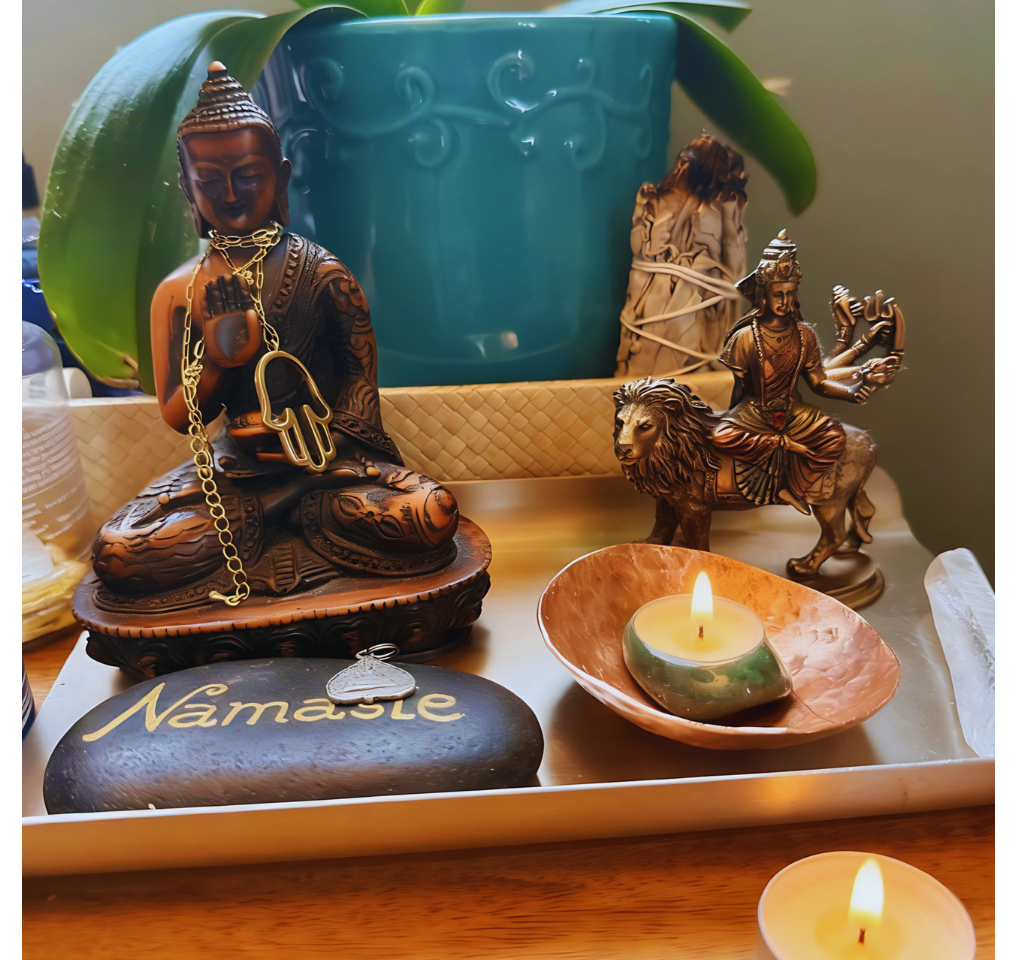
The most powerful rituals are the ones that feel authentic to you. Your rituals may be quiet and reflective, creative and expressive, devotional and spiritual, or practical and grounding.
To personalize your ritual, consider including:
- A meaningful phrase or affirmation
- A candle, incense, essential oil, or natural object
- Music, chanting, or silence
- A journal or sacred text
- Breathwork or gentle movement
- A moment of prayer or gratitude
- A symbolic action, such as placing your hand on your heart
Remember, the object is not the ritual. The intention is the ritual. A candle can be beautiful, but the true light is your awareness.
Step 8: Keep It Simple and Sustainable
One of the biggest mistakes people make with self-care is trying to change everything at once. Mindful self-care is not another form of self-improvement pressure. It is a compassionate practice of returning Johns Hopkins Medicine notes that mindfulness Meditation has been studied for stress, anxiety, sleep disturbance, pain, and overall well-being:
Start small. Choose one ritual and practice it for a week. Notice how it feels. Adjust as needed.
A sustainable ritual is:
- Simple enough to repeat
- Meaningful enough to matter
- Flexible enough to fit real life
- Kind enough to support you without judgment
There will be days when you forget. There will be seasons when your needs change. This does not mean you have failed. It means your practice is alive.
When you miss a ritual, begin again gently.
A Simple 7-Day Mindful Self-Care Ritual Plan
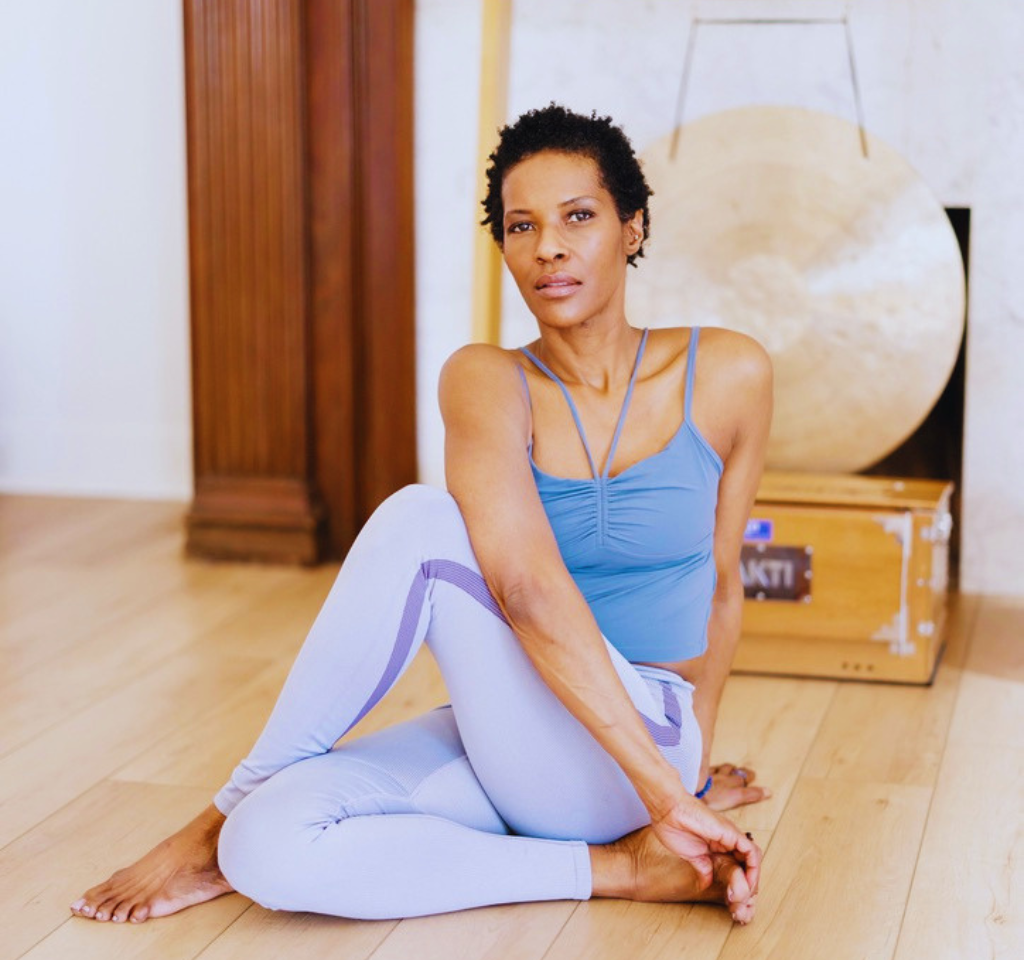
If you are not sure where to begin, try this gentle seven-day plan:
Day 1: Morning Breath
Take five conscious breaths before checking your phone.
Day 2: Gratitude Pause
Write down three things you are grateful for.
Day 3: Mindful Movement
Stretch or move gently for five minutes.
Day 4: Digital Reset
Take a ten-minute break from screens and sit quietly or go for a walk outside.
Day 5: Heart Check-In
Ask yourself, “What emotion needs my attention today?” Write or reflect without judgment.
Day 6: Evening Release
Before bed, write down one thing you are ready to release.
Day 7: Sacred Reflection
Light a candle, sit in silence, pray, meditate, or breathe. Reflect on what kind of care felt most nourishing this week.
At the end of the week, choose one or two rituals to continue.
Common Obstacles and Gentle Solutions
“I do not have enough time.”
Begin with one minute. One mindful breath is still a practice. Self-care does not have to be long to be meaningful.
“I cannot stay consistent.”
Attach your ritual to something you already do every day, such as waking, eating, or brushing your teeth. Let consistency be gentle, not rigid.
“I feel guilty taking time for myself.”
Remind yourself that caring for yourself helps you show up more fully for others. Self-care is not selfish; it is stewardship of your energy.
“I do not know what I need.”
Start with the body. Ask: Am I tired? Hungry? Tense Overstimulate? The body often reveals what the mind cannot yet name.
“My life feels too chaotic for rituals.”
Rituals are especially supportive during chaos. Keep them very small. A hand on the heart, a breath, or a whispered affirmation can become a steady place within an unsteady season.
Journal Prompts for Mindful Self-Care
Use these prompts to deepen your practice:
- What does true nourishment feel like for me?
- Where in my life am I craving more peace?
- What self-care practices feel supportive, and which feel performative?
- What is one boundary that would protect my energy?
- How does my body communicate when it needs rest?
- What ritual would help me feel connected to my inner self?
- What am I ready to release?
- How can I care for myself with more compassion this week?
Affirmations for Mindful Self-Care
Choose one affirmation to repeat during your ritual:
- I am worthy of care and tenderness.
- I return to myself with compassion.
- My needs matter.
- I honor my body, mind, heart, and spirit.
- I do not have to earn rest.
- I am allowed to move slowly.
- Each breath is an invitation to begin again.
- I create space for peace within me.
Final Thoughts: Returning Home to Yourself
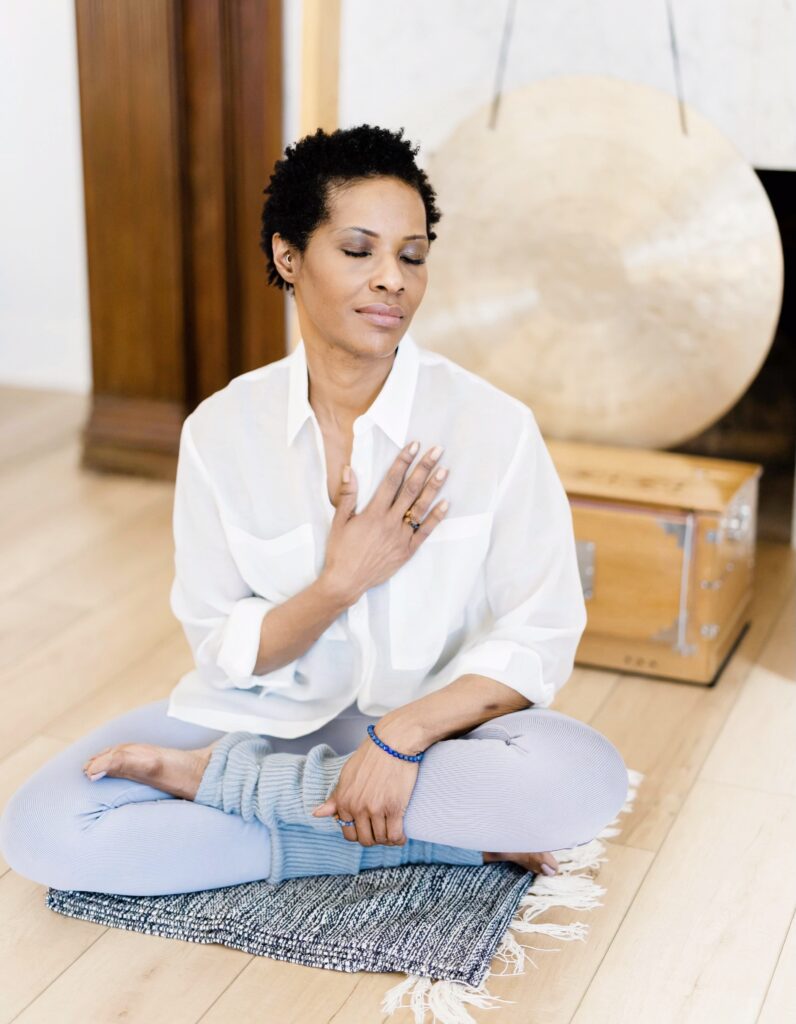
Mindful self-care is not about creating a perfect life. It is about creating moments of presence within the life you already have. It is the art of pausing long enough to remember that you are not a machine, not a checklist, and not defined by how much you accomplish.
You are a living, breathing being worthy of care.
Your personal rituals are small doorways back to that truth. Whether you begin with one breath, one prayer, one stretch, one journal entry, or one quiet cup of tea, the practice is the same: you are choosing to be present with yourself.
Start. Listen deeply. Let your rituals grow from love rather than pressure.
And whenever you forget, return.
That return is the heart of mindful self-care.
For ongoing encouragement, reflection prompts, and seasonal ritual ideas, you can receive mindful living inspiration.
Key Takeaways
- Mindful self-care rituals involve caring for yourself with awareness and intention, creating a deeper connection with your needs.
- Personal rituals help reduce stress and enhance daily life; choose moments that matter and infuse them with meaning.
- Start by listening to your body and emotions to discover true needs, then anchor your rituals to specific daily events.
- Simple practices like mindful breathing, gratitude pauses, and digital resets can transform ordinary moments into restorative experiences.
- Mindful self-care is not about perfection; it’s about returning to presence and embracing your worthiness for care.
