

Rest is not something we have to earn. It is a way of listening, receiving, and returning to ourselves.
There are seasons when life asks us to move, create, care, and show up fully. There are also seasons when the deepest wisdom is found in becoming still.
Yet many of us have learned to treat rest as a reward—something we are allowed to enjoy only after the work is finished, the messages are answered, and everyone else has been cared for. Even then, we may lie down while the mind continues to run through tomorrow’s list.
But what if rest is not separate from the practice?
What if rest is the practice?
For me, spiritual practice is not only about what happens when I sit to meditate. It is also about how I listen to my body, how I honor my energy, and how willing I am to pause without judging the pause. Rest can be a sacred return to Self—a quiet remembering that my worth is not measured by how much I accomplish.
The Wisdom of the Pause
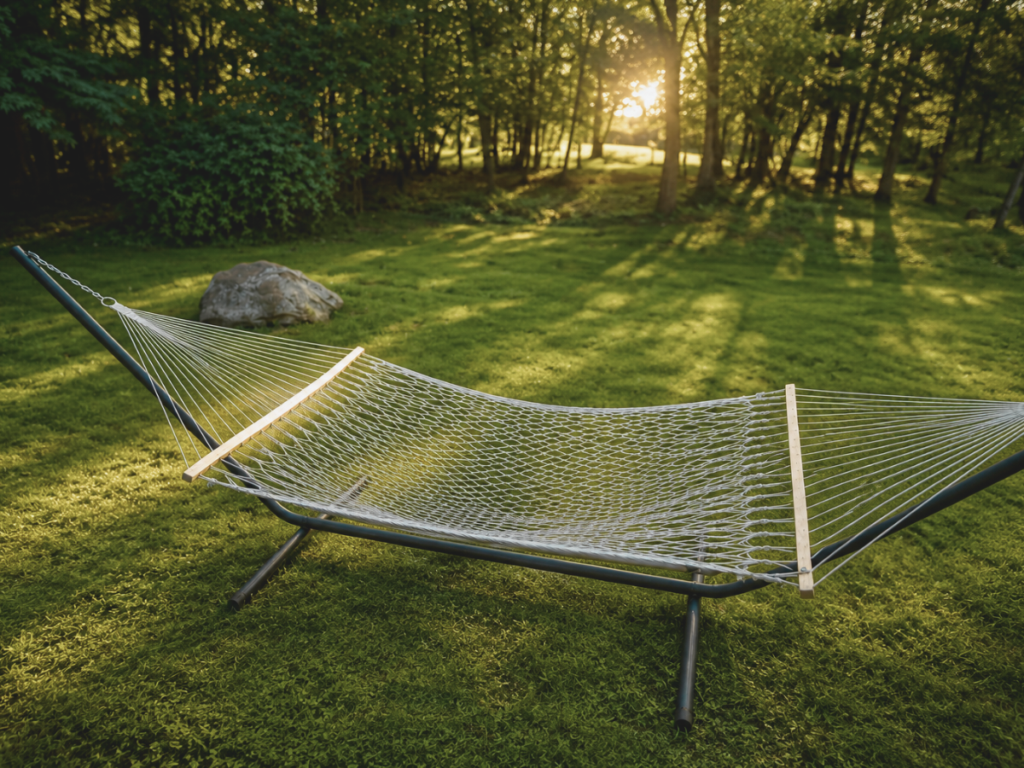
In yoga, we do not move endlessly from one posture to the next. We pause and breathe. We notice what has shifted.
At the end of practice, we rest in Savasana. From the outside, it may look as though nothing is happening. Yet this stillness is part of the practice, not an interruption of it. It gives the body time to settle and offers us space to receive what the movement has opened.
Life has its own Savasanas—small invitations to stop pushing and let ourselves be held.
Rest may look like closing your eyes for ten minutes, taking a quiet walk, sitting beneath a tree, turning off your phone, or choosing an earlier bedtime. It might mean saying no without guilt. It might mean giving yourself one unhurried morning.
These moments are not empty. They are where we begin to hear ourselves again.
Rest Is More Than Sleep
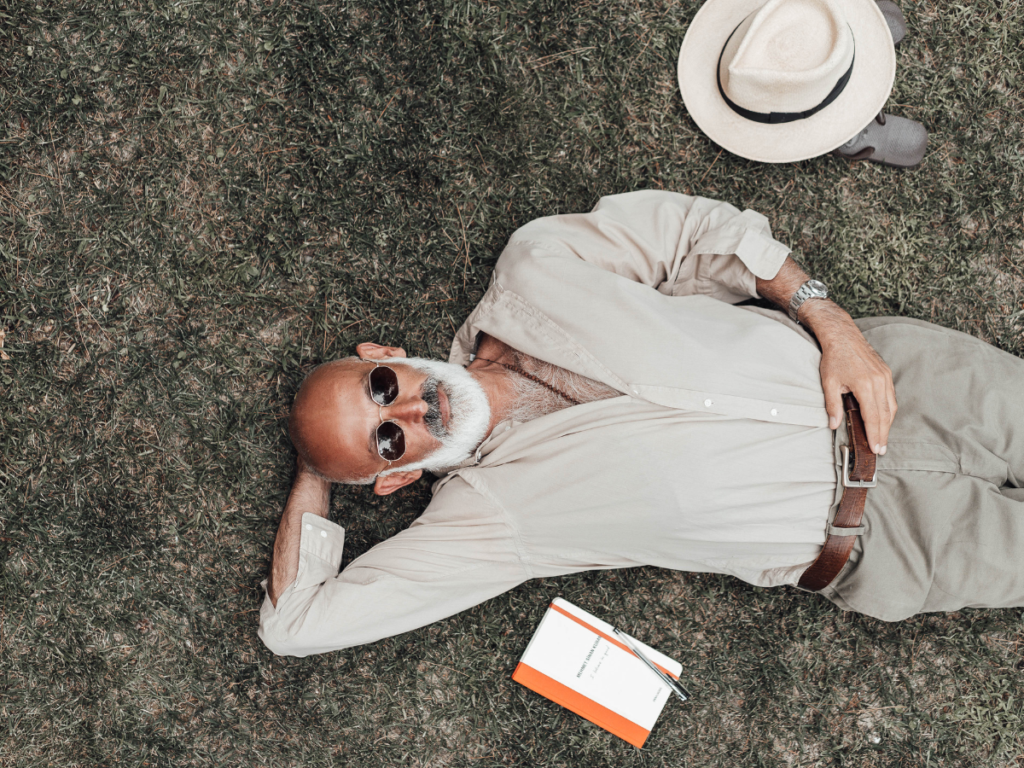
Sleep is essential to our physical and emotional well-being. The Centers for Disease Control and Prevention notes that both the amount and quality of our sleep matter. But rest is broader than sleep.
We may need physical rest after effort, mental rest after too much information, emotional rest after holding space for others, or sensory rest after a day filled with screens, noise, and stimulation.
Sometimes what we call laziness is actually depletion. Sometimes the lack of motivation we are trying to overcome is the body asking for care.
The invitation is to become curious rather than critical:
- What kind of rest do I need today?
- Where am I forcing when I could soften?
- What would change if I listened before reaching exhaustion?
Rest and the Nervous System

When we feel pressured or overwhelmed, the body can remain in a state of readiness—even when the immediate demand has passed. Intentional relaxation can help invite a different response. According to the National Center for Complementary and Integrative Health, relaxation practices may bring about slower breathing, a reduced heart rate, and lower blood pressure.
This does not mean that every difficult feeling disappears the moment we pause. Rest is not an escape from life. It is a way of meeting life with more presence.
Meditation can be part of that return. The breath offers us an anchor; awareness gives us room to notice what is here without immediately reacting. Research into Meditation continues to evolve, and the NCCIH overview of meditation and mindfulness offers a balanced look at what is known about their possible benefits and limitations.
If you are new to Meditation, begin gently. You can explore my meditation offerings or read more reflections in the Wellness + Ageless Beauty Journal.
A Simple Practice of Rest
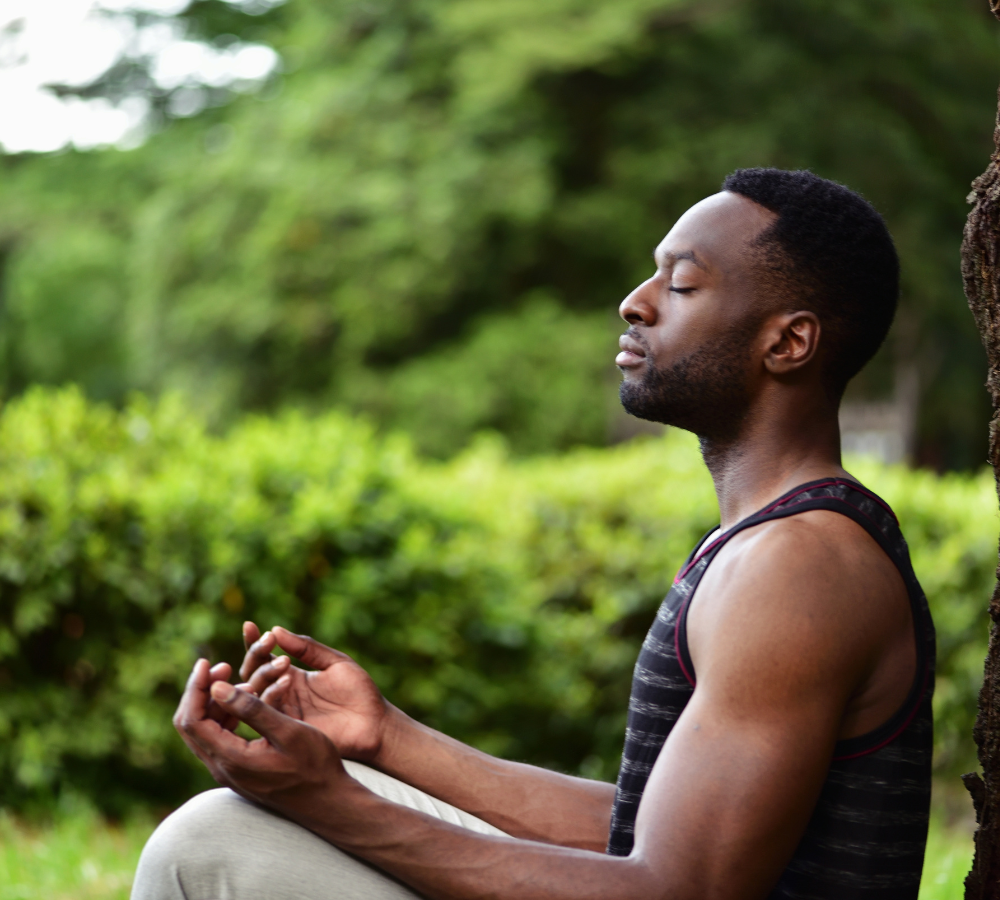
You do not need an hour, a perfect room, or complete silence. Begin with five minutes.
Find a comfortable place to sit or lie down. Allow your hands to rest. If it feels safe, close your eyes or soften your gaze.
Take a slow breath in through the nose.
Exhale without forcing.
Feel the support beneath you. Let the earth carry some of what you have been holding.
As you breathe, quietly repeat:
I do not have to earn this moment.
I am allowed to pause.
Rest is part of my practice.
Stay for a few more breaths. There is nowhere else you need to be for these few minutes. When you are ready, slowly open your eyes and notice what has softened.
Releasing the Guilt Around Rest
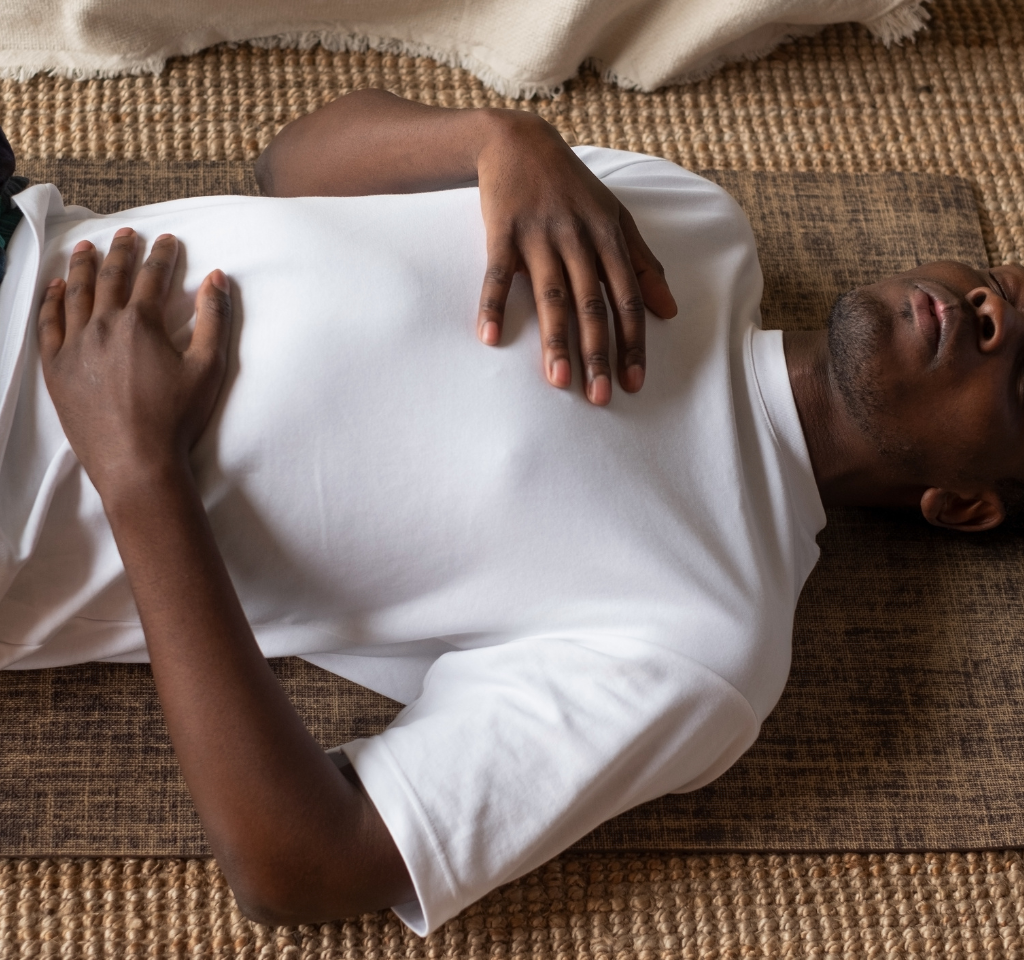
Rest is taking a moment to breathe.
Guilt can follow us into stillness. A voice may whisper that we should be doing something more useful.
When that voice appears, we can meet it with compassion. We do not have to argue with it. We can simply remember that being human requires rhythm: effort and ease, giving and receiving, movement and stillness.
Nature does not bloom in every season. The tide comes in and moves back out. Day gives way to night. Rest is woven into life itself.
Perhaps the practice this week is not adding one more thing to your routine. Perhaps it is releasing one thing. Leaving a little more space between commitments. Taking three conscious breaths before answering the next request. Allowing “enough” to truly be enough.
An Invitation to Return
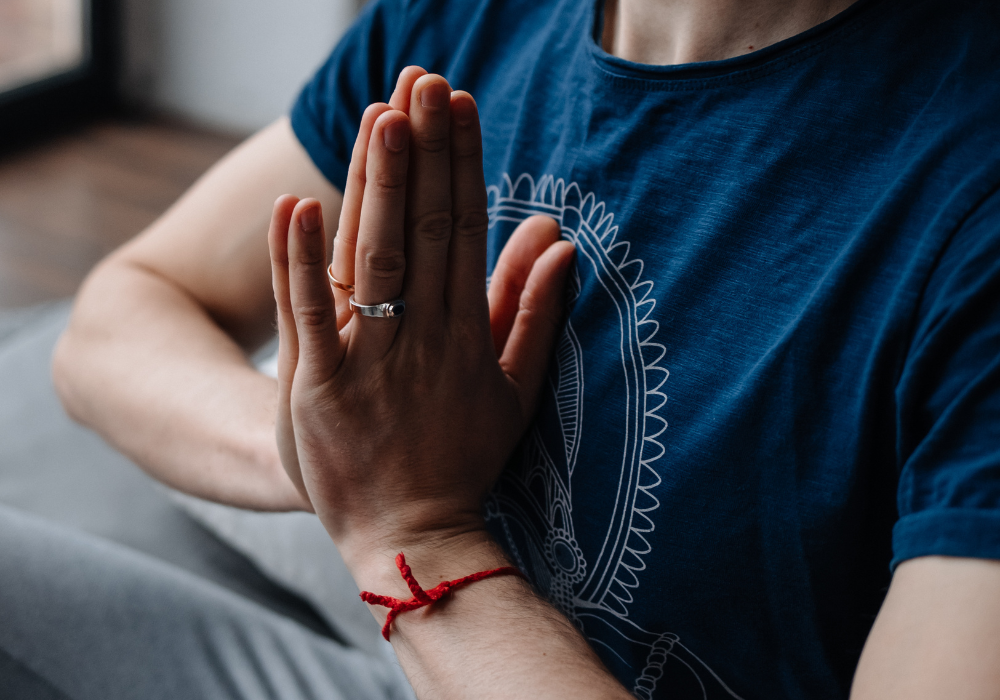
Rest will look different from day to day. Some days it may be deep and spacious. Other days, it may be one quiet breath between responsibilities.
Let that breath count.
Let the small pause be sacred.
You are not stepping away from your path when you rest. You are tending to the one who is walking it.
If you would like support creating more space for stillness, visit the Meditation page or reach out here. Come as you are.
With love,
Michelle
