

Self-care is often presented as something extra—something we will get to after the work is finished, the family is cared for, the messages are answered, and everyone else has what they need.
But I have come to understand self-care differently.
It is not a reward for completing everything on the list. It is the relationship we maintain with ourselves as we live our lives.
For me, self-care is found in the practices that help me return: Meditation that centers my mind, yoga that grounds me in my body, a walk that opens my awareness, and a beauty ritual that invites me to touch my face with attention rather than criticism. None of these practices has to be elaborate. Their value comes from the intention behind them.
At WAB—Wellness Ageless Beauty—I often return to the belief that lasting beauty begins within. The way we care for our energy, thoughts, bodies, and boundaries shapes how we feel and how we meet the world.
These 10 daily self-care rituals are not another list to master. Think of them as invitations. Choose what supports you, leave what does not, and allow your routine to evolve with your season of life.
What Self-Care Really Means
Self-care is the intentional practice of supporting your physical, mental, emotional, and spiritual well-being. It can include rest and pleasure, but it also includes choices that are not always glamorous: keeping a medical appointment, setting a boundary, drinking water, asking for help, or going to bed when there is still more you could do.
The National Institute of Mental Health notes that even small acts of self-care can support mental and physical health. It recommends practices such as regular movement, nourishing meals, hydration, sleep, relaxation, setting priorities, gratitude, and staying connected.
What matters is not creating a perfect routine. It is learning to notice what you need and responding with care.
1. Begin the Day Before Reaching for Your Phone

The first moments of the morning carry a particular kind of openness. Before allowing messages, headlines, and notifications to enter, give yourself a moment to arrive.
Place your feet on the floor. Take three slow breaths. Notice how your body feels before deciding how it should feel. You might place one hand over your heart and ask:
What do I need today?
This ritual can take less than a minute. It creates a small space between waking and reacting—a reminder that you belong in your own morning.
2. Sit in Meditation
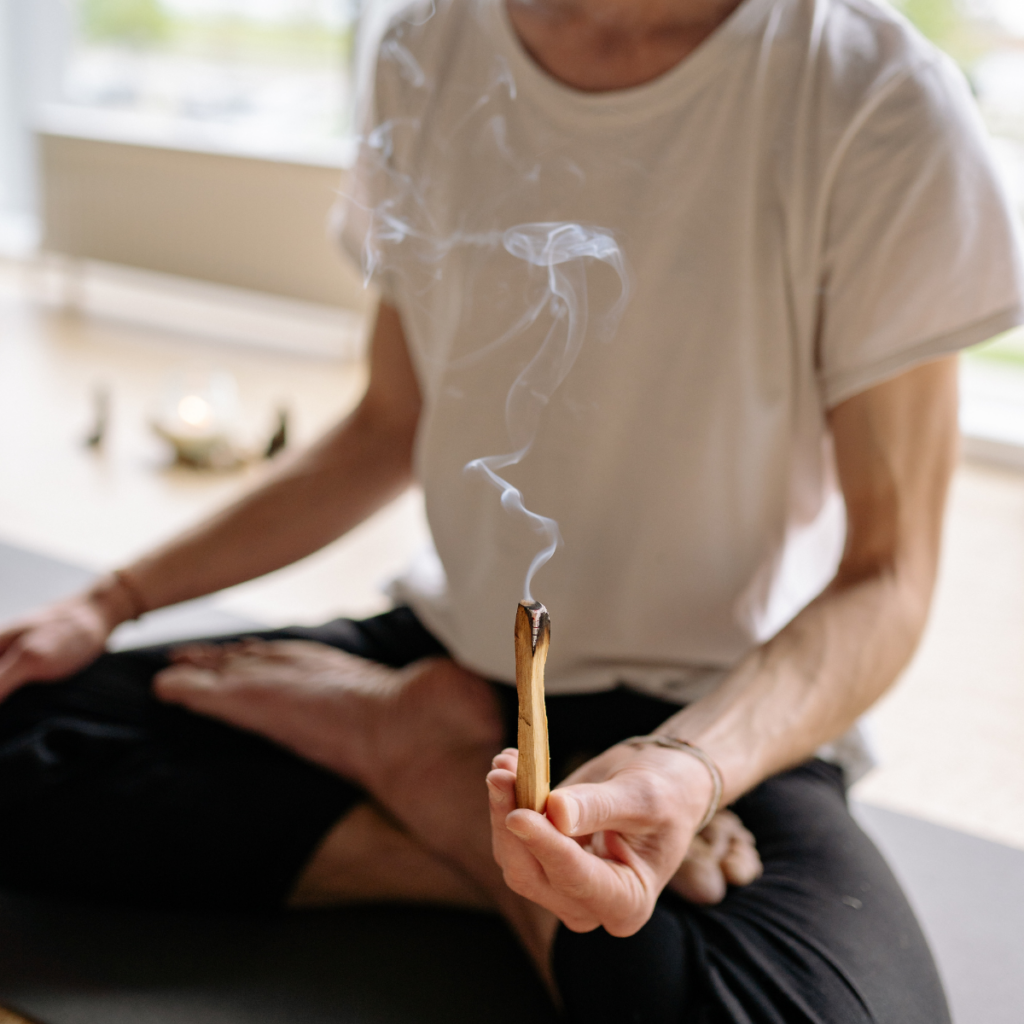
Meditation is one way I return to the peace beneath the mind’s activity. It does not require the absence of thought, nor does it ask us to feel calm before we begin.
Sit comfortably and notice your breath. When the mind wanders, return without criticism. Begin with five minutes if that is what your day allows.
Some mornings, Meditation may feel spacious. On others, it may reveal restlessness, fatigue, or emotion. Both experiences are part of the practice. We sit not to perform peace, but to remember that peace is still available within us.
3. Move With Awareness

The body needs movement, but mindful movement does not have to be intense or lengthy. Yoga, walking, stretching, dancing, or a few mobility exercises can help you reconnect with your physical self.
The Centers for Disease Control and Prevention describes physical activity as an important part of healthy aging and overall health. But beyond the measurable benefits, movement can also become a daily act of listening.
Ask yourself:
- Where am I holding tension?
- What feels strong today?
- What needs more space?
- Do I need energy, grounding, or rest?
If you are establishing a practice, my guide to integrating yoga into your daily routine offers gentle ways to begin.
4. Hydrate and Nourish Yourself Consistently

It is easy to move through a busy day on coffee, scattered snacks, or whatever is most convenient. Self-care sometimes looks like the quiet discipline of eating and drinking before depletion makes the decision for us.
Keep water within reach. Build meals around foods that help you feel sustained and clear. Notice how different foods affect your energy, digestion, mood, and concentration.
This is not about moralizing food or following someone else’s ideal routine. Nourishment is personal. The intention is to care for the body steadily rather than waiting until it is exhausted to notice it.
5. Turn Your Skincare Routine Into a Ritual

A beauty ritual can be more than product application. It can be a moment of attention, touch, and appreciation.
As you cleanse or moisturize, slow down. Note the water temperature and the product’s texture. Massage your face gently. Instead of searching the mirror for flaws, recognize the face that has carried you through your life.
Skincare does not have to become a fight against aging. It can be an expression of respect for the skin you live in now.
Use products that suit your skin, budget, and preferences. More is not always better. A simple routine practiced consistently can feel more nurturing than a crowded shelf used without intention.
6. Step Outside and Notice Something

Nature has a way of interrupting our urgency. A changing leaf, a mushroom appearing after rain, the movement of clouds, or the sound of birds can return us to what is happening beyond the noise of our thoughts.
You do not need a long hike or a perfect landscape. Step outside for a few minutes. Feel the air against your skin. Look up. Notice one living thing.
During my walks, I am often reminded that beauty is not demanding to be noticed. It is simply present, waiting for our attention. Even rainy days carry their own atmosphere and invitation.
7. Create a Pause Between Activities
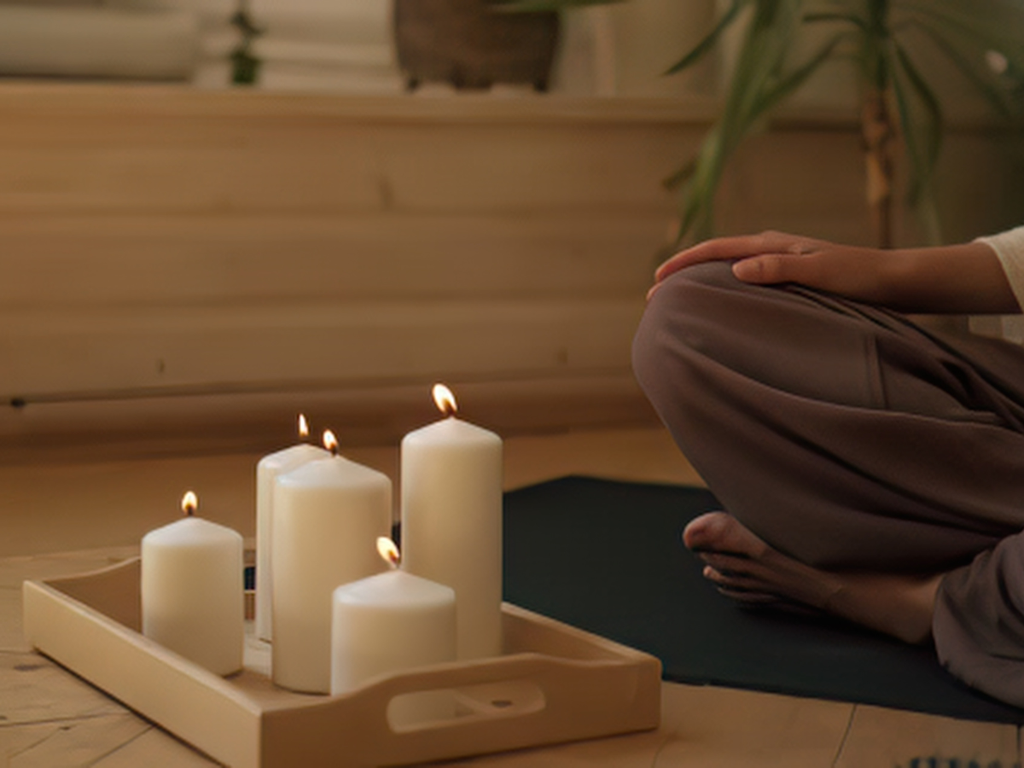
Much of our fatigue comes not only from what we do, but from moving from one demand to the next without transition.
Create a small pause when you finish working, return home, or prepare for the next part of your day. Close your eyes. Exhale slowly. Roll your shoulders. Wash your hands with awareness. Stand near a window for one minute.
A pause does not need to be long to be meaningful. It tells the nervous system and the mind: one thing has ended; I am allowed to arrive before the next begins.
8. Protect Your Energy With One Honest Boundary
Self-care is not only what we add. Sometimes it is what we stop allowing.
A daily boundary might mean not answering a nonurgent message immediately, declining an invitation when you need rest, ending a conversation that has become harmful, or refusing to overexplain a thoughtful “no.”
Boundaries can feel uncomfortable, especially if you are accustomed to being available to everyone. But constantly abandoning your own needs does not create genuine care for others. It creates depletion.
Before saying yes, pause and ask whether the choice is aligned with your energy, responsibilities, and values.
9. Practice Gratitude Without Denying What Is Difficult

Gratitude is not pretending everything is fine. It is the practice of allowing what is good to remain visible, even when life is complicated.
At the end of the day, name one specific thing you appreciated. Perhaps someone checked on you. Your body carried you through a difficult day. You noticed sunlight on the floor. You made time to breathe before reacting.
Keep the practice honest and small. Gratitude becomes meaningful when it helps us recognize life as it is—not when it pressures us to dismiss pain or avoid necessary change.
10. Prepare for Rest

Rest is not the absence of productivity. It is one of the conditions that makes a sustainable life possible.
Create a short evening ritual that signals the day is closing. Dim the lights, put your phone away, wash your face, stretch gently, read, pray, or sit quietly. You do not need to complete every task before you are worthy of sleep.
The CDC’s guidance on sleep emphasizes that both sufficient sleep and sleep quality matter for physical health and emotional well-being. A consistent bedtime and less screen exposure before bed may support healthier sleep habits.
If slowing down is difficult for you, read Rest Is Part of the Practice. Rest does not stand outside our wellness practice. It is one of the ways we receive what the day has asked of us.
Creating a Personalized Self-Care Routine
Not every ritual will support every person in the same way. Your needs may change according to your health, responsibilities, energy, finances, and season of life.
Begin by asking three questions:
- What regularly leaves me depleted?
- What helps me feel like myself again?
- What is one caring action I can realistically repeat?
Choose two or three rituals rather than attempting all 10 immediately. You might begin with a glass of water in the morning, five minutes of Meditation, and a consistent bedtime. Let those practices become familiar before adding more.
Self-care should support your life, not become another standard by which you judge yourself.
Overcoming Common Barriers to Self-Care
“I do not have enough time.”
Begin with one minute. Take three breaths, step outside, stretch your shoulders, or drink a glass of water. Small practices count because they strengthen the habit of noticing yourself.
“I feel guilty putting myself first.”
Self-care is not always putting yourself first. It is refusing to leave yourself out completely. Caring for your well-being can help you show up with greater honesty and steadiness in your relationships and responsibilities.
“I cannot maintain a routine.”
Release the idea that consistency means perfection. Missing a day does not erase the practice. Return at the next opportunity.
“Self-care feels expensive.”
The wellness industry often sells self-care as consumption, but many sustaining rituals cost nothing: breathing, walking, resting, setting a boundary, expressing gratitude, turning off a screen, or calling someone you trust.
“I do not know what I need.”
Begin with the body. Are you thirsty, hungry, tense, lonely, overstimulated, or tired? You do not need to solve everything at once. Respond to the clearest need first.
Self-Care as a Daily Return
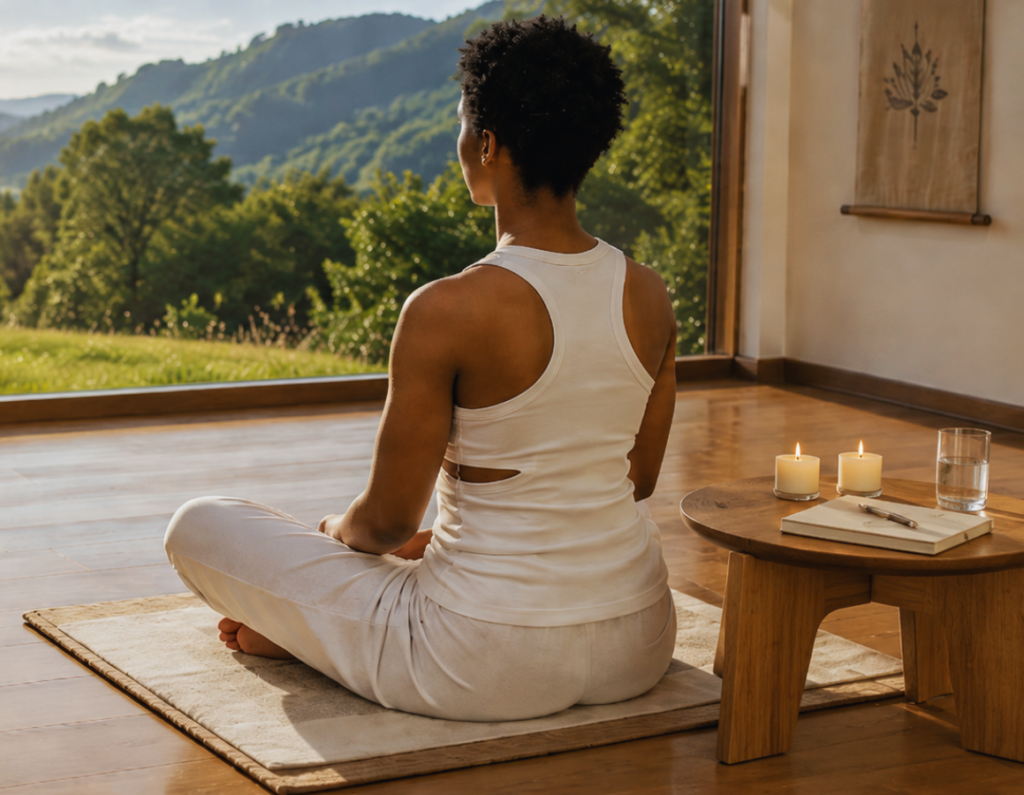
The most meaningful self-care rituals are rarely dramatic. They are the small choices through which we say: I am here, I am listening, and I am worthy of my own attention.
Some days, self-care will look like movement. Other days, it will look like stillness. It may be a nourishing meal, a firm boundary, a skincare ritual, a phone call, or an earlier bedtime.
There is no perfect routine waiting for you to discover it. There is only the ongoing practice of meeting yourself where you are.
Begin with one ritual today. Let it be simple. Let it be enough.
With love,
Michelle,
